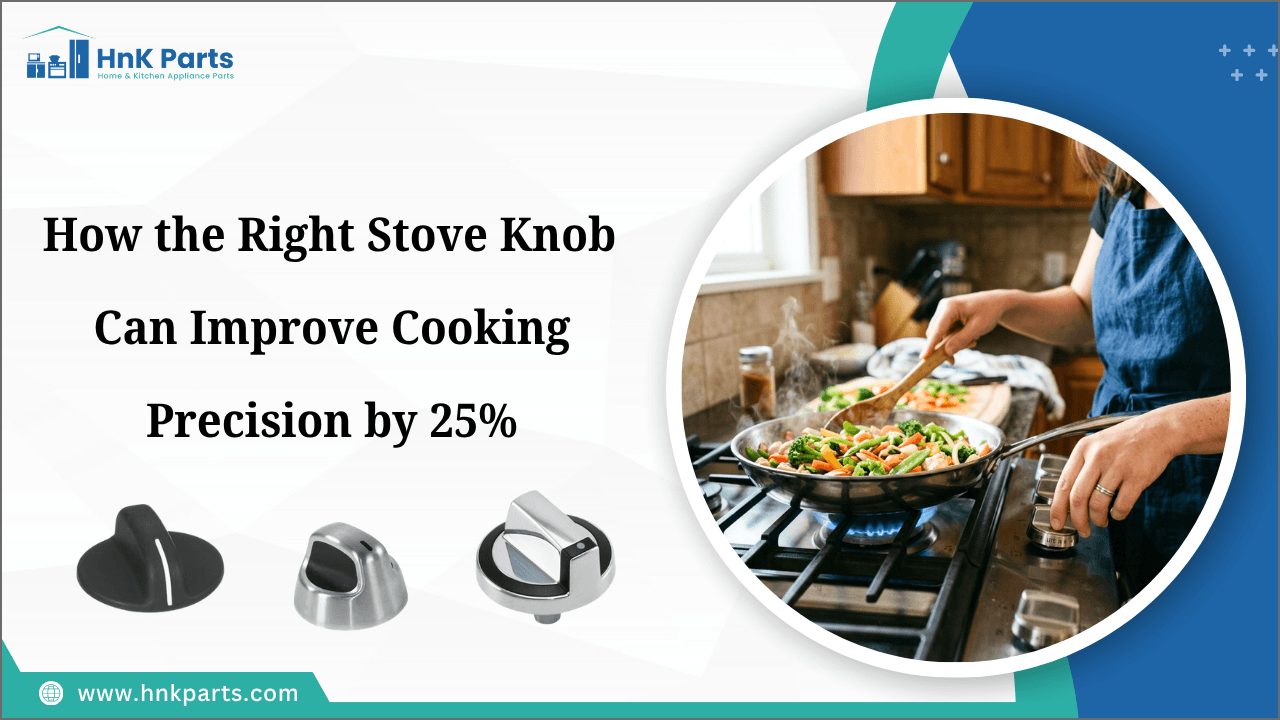
How the Right Stove Knob Can Improve Cooking Precision by 25%
In modern kitchens, precision is essential for achieving consistent cooking results. Whether you are a home cook preparing daily meals or experimenting with advanced recipes, accurate heat control has a direct influence on texture, flavor, and timing. While cookware and appliances often get the most attention, the stove knob is a crucial yet overlooked component that governs how effectively heat is managed.
Despite its simple look, the stove knob is central to temperature regulation. Kitchen ergonomics research shows that better control designs can reduce user errors by up to 25% and improve cooking consistency. A well-designed knob system enables smoother, more stable, and repeatable heat adjustments.
This article explains the design, function, and importance of stove knobs, and how choosing the right one can improve everyday cooking performance.
Understanding the Role of Stove Knobs in Heat Control
Every cooking method—boiling, simmering, frying, searing—depends on precise temperature control. The stove knob acts as the control bridge between the user and the heat source.
In gas stoves, knobs regulate the flow of gas, directly affecting the size and intensity of the flame. In electric stoves, knobs control current flow to heating elements, affecting how quickly and how hot the surface heats up.
Why Precision Matters
Heat control is not linear. A small adjustment in the knob can lead to a disproportionately large change in temperature, especially in older or poorly designed knobs. This lack of control results in:
- Temperature overshooting
- Uneven cooking
- Burnt or undercooked food
- Loss of flavor compounds
For example:
- A sauce that should gently simmer can quickly turn into a rolling boil
- Meat meant to sear can end up steaming due to unstable heat
- Chocolate can seize if the heat spikes even slightly
A high-quality stove knob enables gradual and predictable heat transitions, which are crucial for maintaining cooking accuracy.
The Science Behind Precision Cooking with Stove Knobs
Precision in cooking is all about temperature control. Different cooking techniques require specific heat levels, and even slight deviations can alter the final result.
For example:
- Simmering typically occurs around 185–205°F (85–96°C)
- Sautéing requires medium-high heat around 350–400°F (175–205°C)
- Searing demands high heat above 400°F (205°C)
Without precise control, you risk overshooting or undershooting these temperature ranges. This can lead to:
- Burnt exteriors with undercooked interiors
- Loss of moisture and flavor
- Uneven texture
A well-designed stove knob allows you to maintain steady heat levels, reducing fluctuations. This stability is key to achieving consistent results, especially in professional or high-performance kitchens.
Moreover, precision cooking isn’t just about taste—it’s also about efficiency. When heat is properly controlled, cooking times are optimized, energy consumption is reduced, and ingredients are used more effectively.
How Different Stove Knob Types Affect Cooking Precision in Everyday Use
The way your stove controls heat isn’t just about design—it directly affects how quickly you can react, how steady your heat stays, and how easily you can repeat results. Each control type behaves differently in real cooking situations.
1. Standard Mechanical Stove Knobs (Basic Control): Standard mechanical knobs are common on most gas and electric ranges and provide simple manual heat adjustment.
2. Precision-Designed Mechanical Stove Knobs (Improved Accuracy): These knobs provide smoother movement and clearer settings for more controlled heat adjustment.
3. Worn or Loose Stove Knobs (Reduced Control): Over time, worn knobs may become less responsive and make burner settings harder to manage.
4. Push-and-Turn Safety Stove Knobs (Safety Control): These knobs require pressing before turning, reducing accidental burner activation while maintaining normal cooking control.
How to Choose the Right Stove Knob for Precision Cooking
Selecting a suitable stove knob helps improve cooking control, safety, and overall ease of use. The right knob should match your stove system, feel comfortable to use, and allow accurate flame adjustments.
Core Technical Compatibility
-
Shaft Type: Identify the valve shaft shape by removing the existing knob; common types include D-shaped, splined, or round with a notch.
-
Shaft Size: Measure the diameter carefully, as most stoves use 6 mm or 8 mm shafts, while some may differ slightly.
Material and Build Quality
-
Metal: Stainless steel or zinc alloy knobs are strong, heat-resistant, and long-lasting with a solid feel.
-
Plastic: High-quality heat-resistant plastic is lightweight, cost-effective, and resistant to deformation under heat.
Ergonomic Design for Precision
-
Grip Texture: Knobs with ridges or rubber coating improve grip and reduce slipping during adjustments.
-
Clear Markings: Visible indicators help users set flame levels more accurately.
-
Smooth Control: Even rotational movement allows fine-tuned temperature adjustments.
Safety and Installation
-
Push-and-Turn Design: Helps prevent accidental activation, improving kitchen safety.
-
Placement Style: Front-mounted knobs offer easy access, while side-mounted designs add extra safety in homes with children.
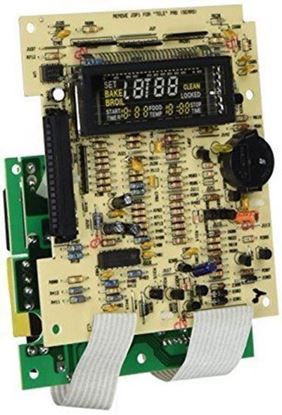
Learn how to reset Frigidaire oven control boards by power cycling the unit to clear errors and restore normal function.
Summary: The Future of Heat Control: Smarter, Faster, More Accurate Stove Knobs
The future of stove knobs is shifting toward more intelligent and responsive heat control systems that enable higher cooking precision with less manual effort. With ongoing technological improvements, these controls are expected to become more intuitive, allowing quicker adjustments and more stable temperature management for improved cooking outcomes. This evolution will make daily cooking smoother, more consistent, and easier to manage.
Key Takeaways:
- Future stove knobs may adapt to individual cooking behavior patterns and learn user habits
- Heat control could evolve into a tactile feedback system with smarter, responsive interaction
- Physical cues like resistance shifts and micro-feedback may replace traditional visual-only indicators
- Cooking precision will become more intuitive, reducing manual correction and improving consistency
Wondering where to get quality stove parts at cost-saving prices? Shop premium home and kitchen repair parts at HnK Parts. Get burner knobs, ignitions, gas valves, control boards, burners, and more from trusted brands like Midea, Blomberg, Majestic, Vermont, and US Stove Company. Enjoy fast doorstep delivery and consistent quality—all in one place.
References:
https://www.nyc.gov/site/hpd/services-and-information/stove-knob-covers.page
https://www.classaction.org/samsung-range-knobs-turn-on-too-easily-lawsuit
FAQs
Are universal stove knobs safe to use?
Universal stove knobs can be safe if they are compatible with your stove model and properly installed. However, it’s always better to choose manufacturer-recommended or exact-fit replacements for best safety and performance.
Do smart stove knobs improve cooking accuracy?
Yes. Smart stove knobs with digital controls, indicators, or app connectivity offer more precise temperature control and can help maintain consistent heat levels during cooking.
Can stove knobs affect energy efficiency?
Yes. Precise stove knobs help avoid overheating and unnecessary gas or electricity usage, which improves energy efficiency and reduces utility costs over time.
How do I know if my stove knob needs replacement?
Signs include loose movement, faded heat markings, difficulty adjusting flame levels, cracks, or inconsistent burner response when turning the knob.
| Disclaimer: This article is for general informational purposes only and is based on general kitchen appliance concepts. Cooking performance may vary depending on stove type, usage conditions, |
-
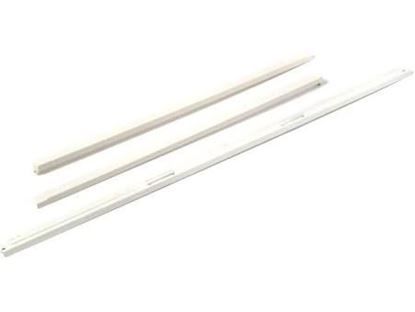 Whirlpool 8184860 Range Door TrimSpecial Price $67.05 Regular Price $93.82
 -
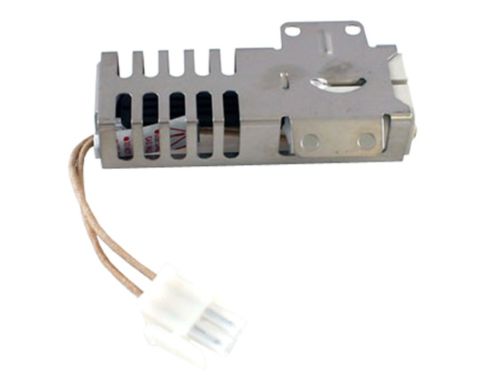 General Electric WB13K21 Range Oven Ignitor 3-3/4" 7" leadsSpecial Price $23.98 Regular Price $67.08
 -
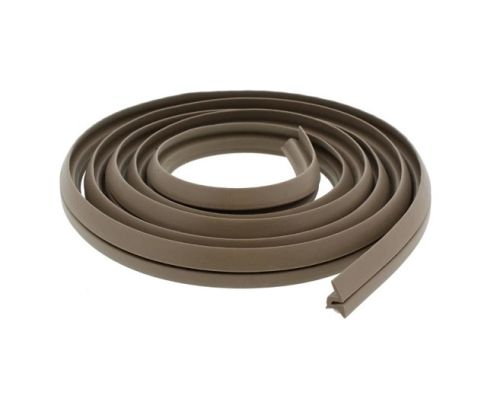 General Electric WB2X1522 Range Oven Silicon Door Gasket 66"Special Price $77.77 Regular Price $122.78
 -
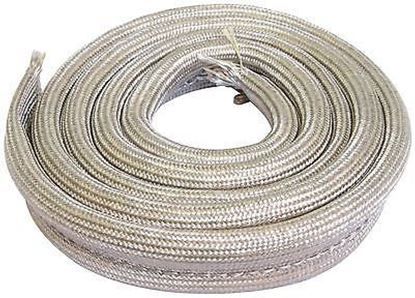 General Electric WB2X3138 67" Oven Door GasketSpecial Price $138.65 Regular Price $175.11