
-

For decades, the standard home drip coffee machine relied heavily on plastic reservoirs, polymer spray heads, and synthetic filter baskets. However, a major shift is occurring across modern home kitchens. Coffee enthusiasts and health-conscious consumers alike are moving away from traditional plastic-laden appliances in favor of plastic-free coffee makers.
Driven by concerns over microplastic shedding, chemical leaching at high brewing temperatures, and a desire for cleaner coffee flavor profiles, this movement is transforming the home coffee industry. From all-glass pour-overs and stainless steel French presses to modern, zero-plastic automatic drip machines, non-reactive materials are redefining the daily brewing ritual.
Read morePosted: September 13, 2026 -
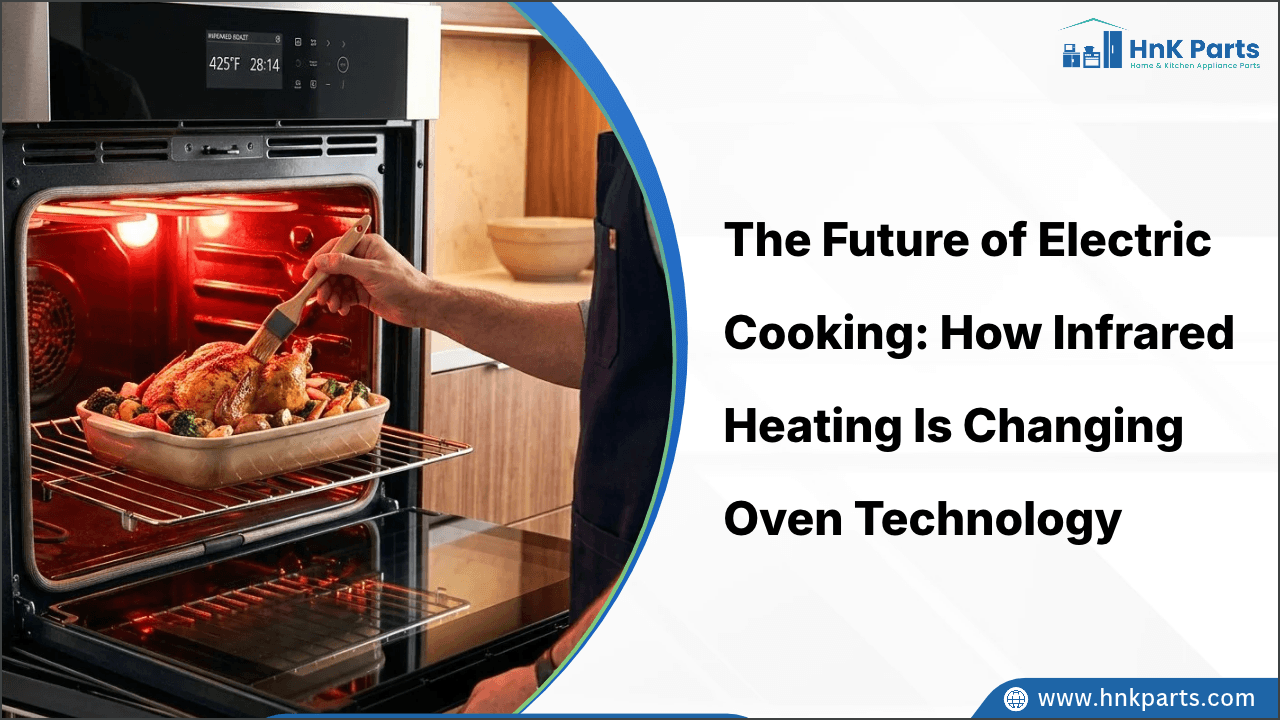
The residential kitchen is experiencing a quiet technological shift. Home cooks want appliances that deliver faster cooking, lower energy use, and consistent results without long preheating times. Traditional heating coils and basic convection systems are increasingly complemented by advanced electromagnetic heating, with infrared (IR) technology gaining attention.
Unlike conventional ovens that gradually heat the surrounding air, infrared systems transfer radiant energy directly to the food surface. Research indexed by the National Institutes of Health (NIH) has reported that infrared heating can achieve high heat-transfer rates and, under certain conditions, use less energy than conventional heating methods. This direct heat transfer can also reduce the time required to bring food to the desired cooking temperature.
Read morePosted: September 06, 2026 -
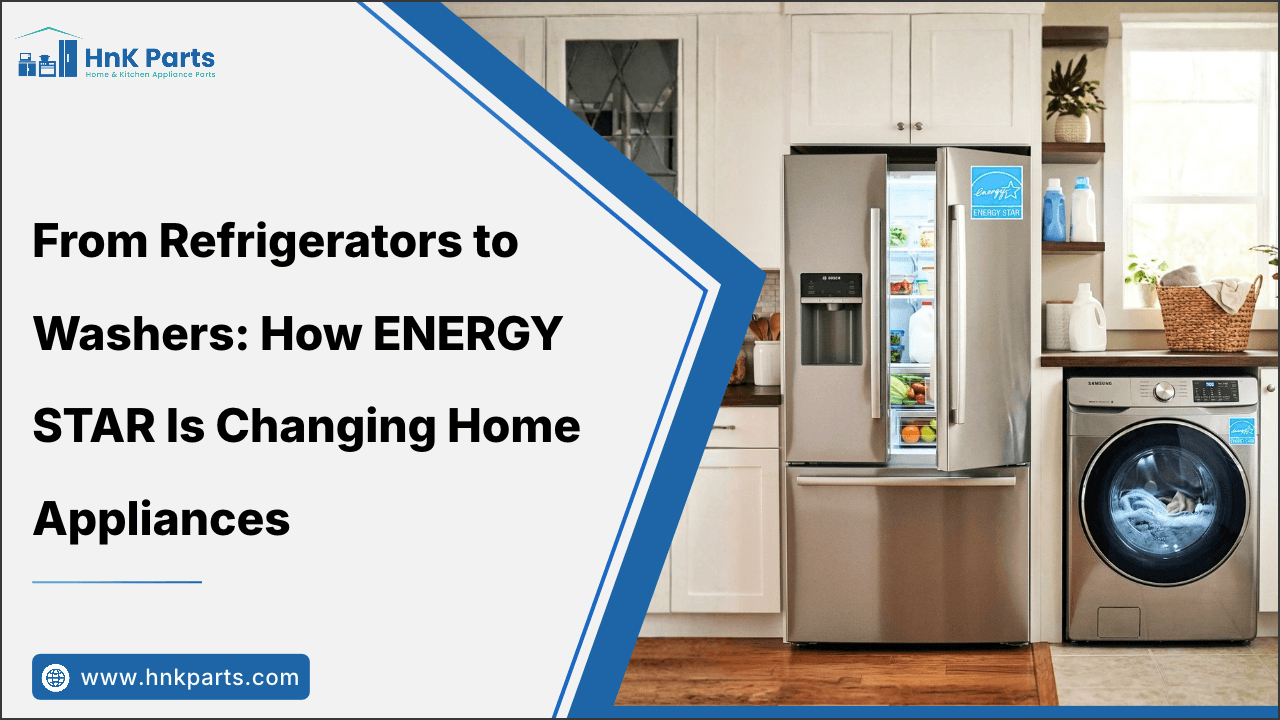
ENERGY STAR has become a trusted benchmark for energy-efficient home appliances across the United States. From refrigerators to washing machines and dryers, ENERGY STAR-certified appliances are designed to use less energy and water while maintaining reliable performance. This helps homeowners reduce energy consumption, lower utility bills, and support more sustainable households.
Modern appliance technology is increasingly focused on efficiency, smart performance, and lower operating costs. ENERGY STAR helps guide these improvements by encouraging manufacturers to develop products that meet established energy-efficiency criteria. For U.S. homeowners, understanding these standards makes it easier to compare appliances, estimate long-term savings, and choose efficient solutions for modern homes.
Read morePosted: September 06, 2026 -
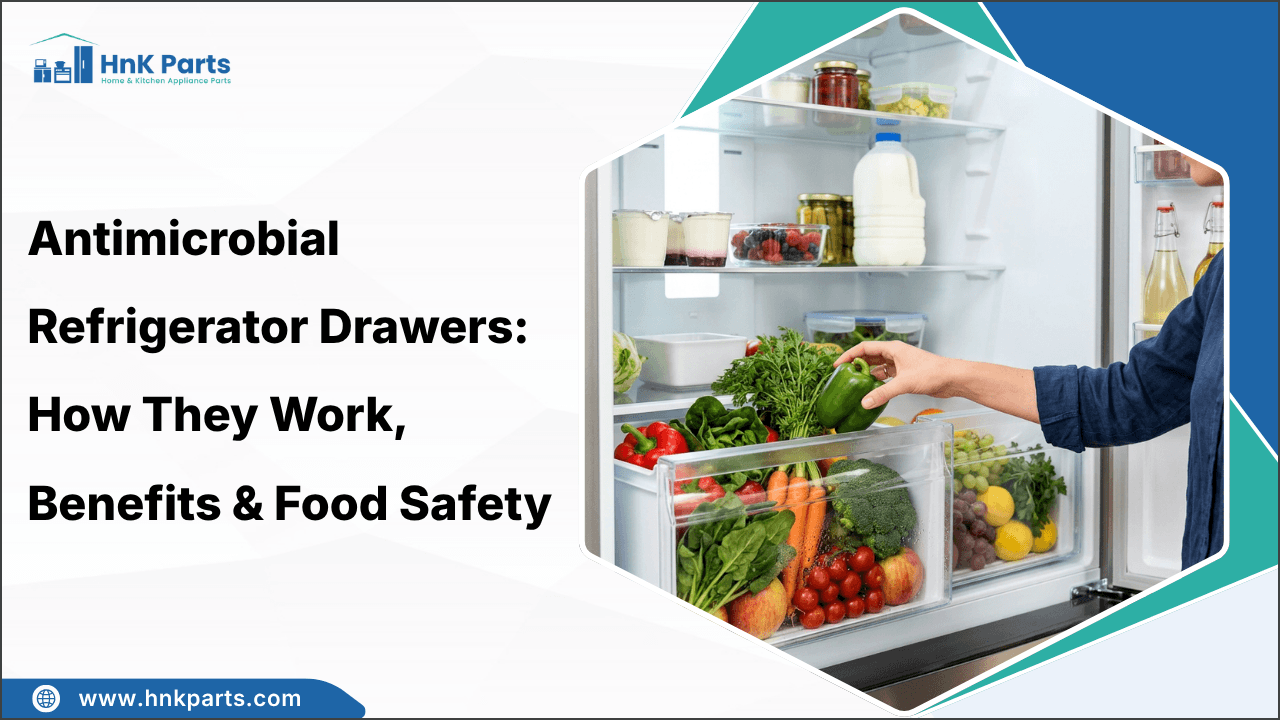
Antimicrobial refrigerator drawers are crisper and storage drawers made with, or coated in, an antimicrobial agent that helps limit the growth of certain bacteria, mold, and mildew on the drawer surface. They are commonly used for fruits, vegetables, and other fresh foods, which can introduce moisture, spills, and residue into the storage area.
So how do antimicrobial refrigerator drawers work? The treatment acts on the drawer surface, not on the food itself, and it does not replace regular cleaning or safe food handling. Understanding how the feature works, what benefits it offers, and where its limitations lie helps homeowners make informed decisions about everyday food storage and refrigerator hygiene.
Read morePosted: August 30, 2026 -
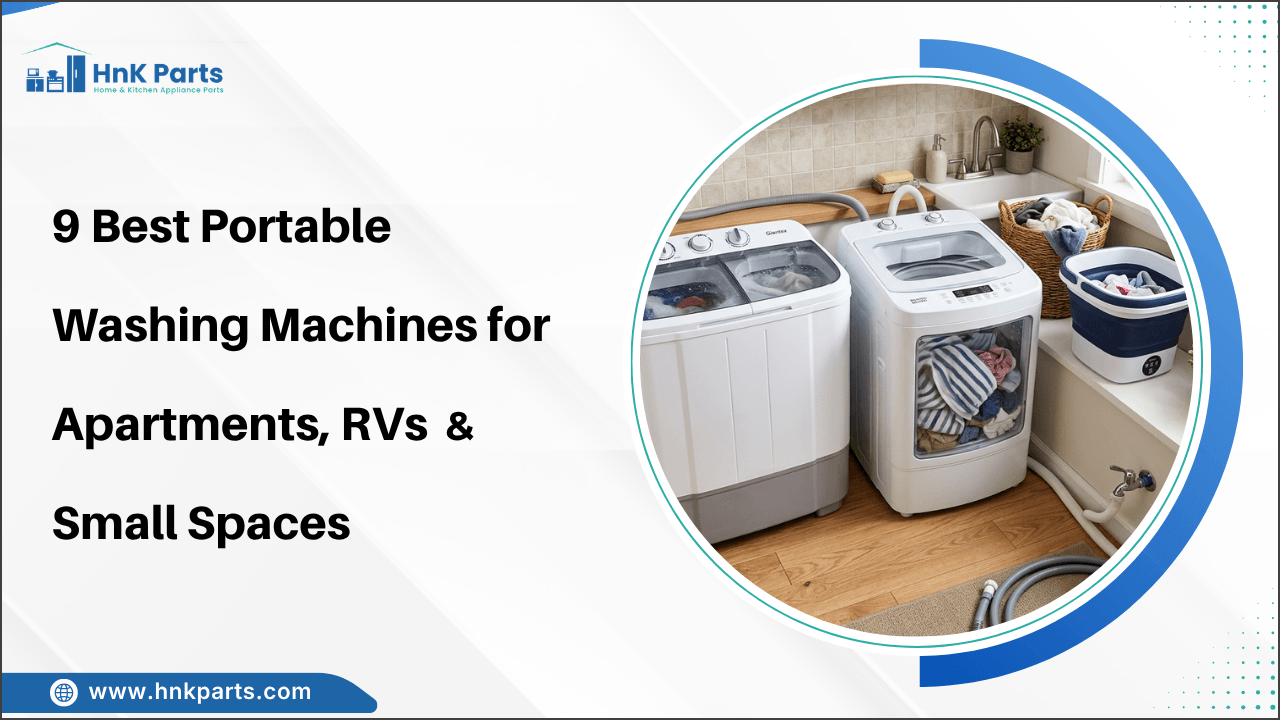
Portable washing machines offer a practical laundry solution when a full-size washer is too large, permanent plumbing is unavailable, or laundry space is limited. They are especially useful in apartments, RVs, dorm rooms, studios, and other compact spaces, with options ranging from fully automatic washers to manual and twin-tub designs.
The best portable washing machine simplifies everyday household laundry while fitting your available space and laundry needs. Water access, drainage, load size, portability, and ease of use are also important when choosing a model. This guide explains the main portable washer types and helps you compare options for different needs.
How Do Portable Washing Machines Work?
Portable washing...
Read morePosted: August 30, 2026 -
As kitchens become more open, connected, and integrated with living spaces, dishwasher noise is becoming an increasingly important part of appliance design. A dishwasher is no longer expected to simply clean dishes; it is also expected to operate efficiently without becoming a major distraction during cooking, dining, working, or relaxing.
This is where autonomous wash programs are becoming increasingly relevant. Modern dishwashers can use sensors and electronic controls to adjust parts of a wash cycle according to conditions such as soil level, water temperature, and load requirements. At the same time, manufacturers are improving motors, insulation, cabinet construction, and water-flow systems to reduce operating noise.
Read morePosted: August 23, 2026 -
Kitchen and laundry appliances handle demanding household tasks every day, from preserving food and washing dishes to cleaning and drying clothes. Without regular care, grease, lint, residue, moisture, and mineral buildup can gradually affect performance.
A practical kitchen and laundry appliance care routine keeps equipment clean and dependable. Cleaning filters, seals, vents, interiors, and other buildup-prone areas can also make developing problems easier to spot.
This guide explains how to clean and maintain kitchen and laundry appliances, covering refrigerators, dishwashers, ovens, washing machines, and dryers, along with common maintenance mistakes and signs that indicate inspection, repair, or replacement parts may be needed.
Read morePosted: August 23, 2026 -

Home appliances make everyday household tasks easier, from cooking meals and washing dishes to cleaning clothes and preserving food. Because these appliances operate regularly, their components are exposed to heat, moisture, vibration, electrical loads, and repeated use.
Simple care and routine inspections can help reduce unnecessary wear and identify minor problems before they develop into costly breakdowns. Cleaning filters, checking seals, avoiding overloading, maintaining airflow, and following manufacturer instructions are some of the easiest ways to protect appliance performance.
Understand the Main Causes of Home Appliance Wear and Failure
Home appliances can develop problems for many reasons, including poor maintenance, improper operation...
Read morePosted: August 16, 2026 -
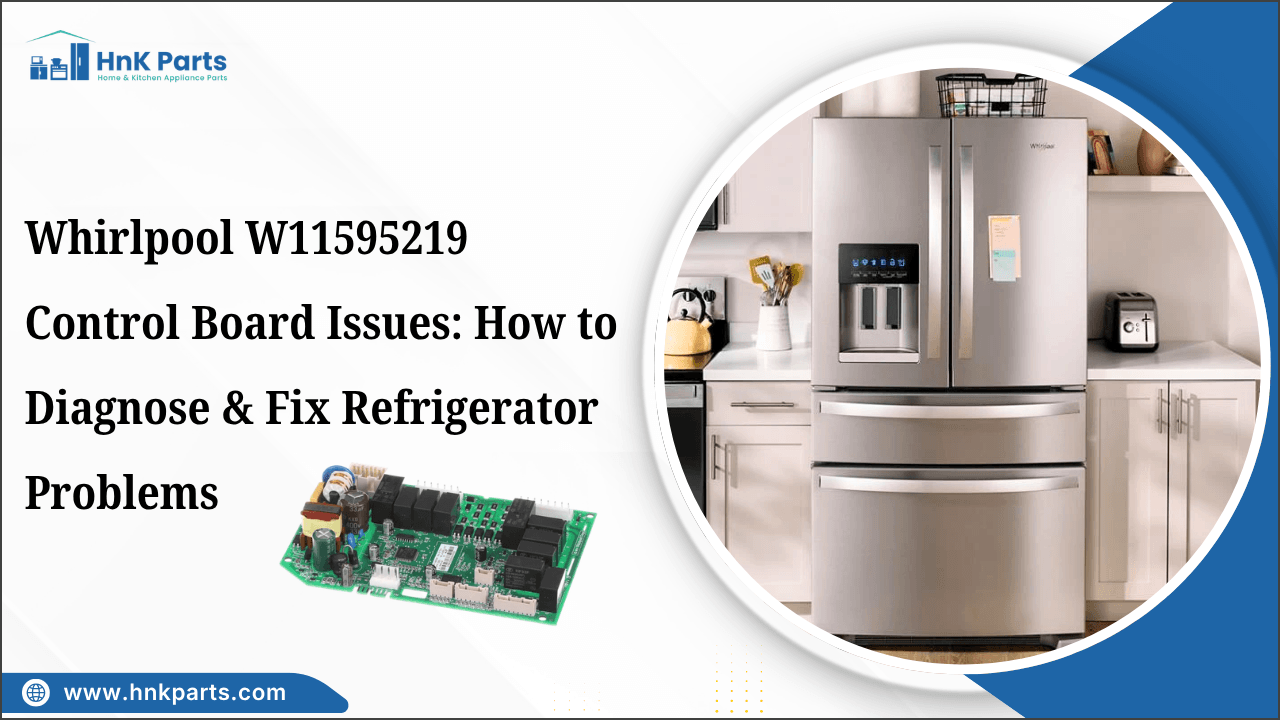
Whirlpool W11595219 control board problems can affect refrigerator cooling, temperature regulation, ice production, and other electronic functions. A failed control board, damaged wiring, power issues, or a faulty connected component may cause inconsistent operation or other unexpected symptoms.
Identifying the source of the problem can help determine whether testing, repair, or control board replacement is needed. Checking the control board and related components systematically can also help avoid replacing parts unnecessarily.
This technical guide explains how to troubleshoot these issues in about 20 minutes. The Whirlpool W11595219 control board manages key refrigerator functions. Follow the diagnostic steps to check power, connections, wiring, control-board operation, and related components.
Read morePosted: August 16, 2026 -
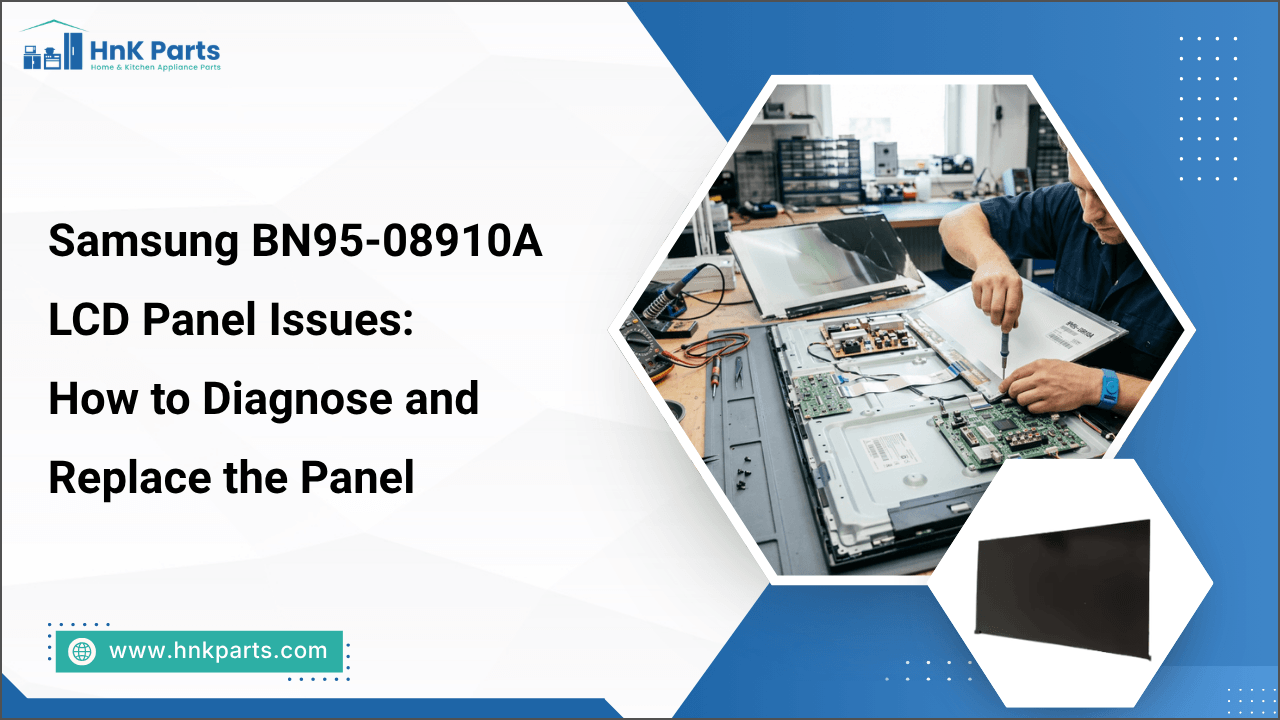
A faulty LCD panel can cause lines, flickering, distorted images, color problems, or a blank screen on a Samsung TV. The Samsung BN95-08910A is a replacement LCD panel designed for compatible Samsung TV models. Before ordering a replacement, it is important to identify whether the panel itself is faulty or another component is causing the display problem.
Proper troubleshooting of the Samsung BN95-08910A minimizes unnecessary repairs and helps pinpoint the actual source of the display fault. Once the panel is confirmed to be defective, careful installation and testing can help restore normal display performance.
What Are the Most Common Samsung BN95-08910A LCD Panel Issues?
If your TV is showing picture problems, the Samsung...
Read morePosted: August 09, 2026
Search