
Busy Schedule? These Time-Saving Dishwasher Technologies Make Kitchen Cleanup Simpler
Busy schedules can make even simple kitchen chores feel like a burden. After a long day at work, spending time loading dishes, choosing wash settings, and waiting for cycles to finish is hardly convenient. That’s where smart dishwasher technologies are changing everyday kitchen cleanup.
From intelligent sensors and automated cycle selection to remote controls and energy-saving features, modern dishwashers are designed to reduce effort while delivering thorough cleaning. These innovations help homeowners save time, manage water and energy use, and enjoy a more convenient kitchen routine without compromising cleaning performance.
How Smart Dishwasher Technology Improves Kitchen Efficiency
Smart dishwashers automate wash settings, cycle monitoring, scheduling, and maintenance notifications, reducing the manual steps required to manage everyday dishwashing.
Unlike conventional models with fixed programs, newer smart dishwashers offer more responsive features such as:
- Cycle customization based on daily routines
- Remote cycle monitoring and status notifications
- Maintenance alerts before performance issues develop
- Smart scheduling around household activity
- Wash-cycle recommendations based on usage patterns
- Integration with connected-home ecosystems
- Automatic software updates for connected functions
With these capabilities, the dishwasher reduces the need for manual effort while keeping cleanup efficient.
Modern Dishwasher Technologies That Make Kitchen Cleanup Easier
Modern dishwashers use advanced technologies to improve cleaning and efficiency. Explore the key features below:
|
Technology |
How It Works |
Features |
|
Soil Sensor Technology |
Detects food residue and adjusts the wash cycle automatically. |
Automatically optimizes the wash cycle based on soil levels or the concentration of suspended particles for efficient cleaning and water savings, such as Bosch PrecisionWash™. |
|
AI-Powered Wash Programs |
Uses AI to recommend or select the ideal wash cycle. |
Learns user preferences and customizes wash settings through platforms such as LG ThinQ® and Samsung SmartThings®. |
|
Smart Wi-Fi Connectivity |
Connects the dishwasher to a smartphone app. |
Enables remote monitoring, cycle control, and maintenance alerts through apps such as Bosch Home Connect®, GE SmartHQ™, and the Whirlpool® app on premium dishwasher models. |
|
Steam Cleaning Technology |
Uses steam to loosen dried-on food. |
Improves stain removal, enhances sanitization, and reduces the need for pre-rinsing in premium dishwasher models. |
|
Inverter Motor Technology |
Adjusts motor speed based on the wash cycle. |
Provides quieter operation, improved energy efficiency, and longer motor life. |
|
Water Filtration System |
Filters food particles before recirculating wash water. |
Keeps wash water cleaner and helps improve overall cleaning performance. |
|
Eco Wash Technology |
Optimizes water and energy usage. |
Reduces water and electricity consumption through dedicated Eco or Energy Saver cycles. |
|
Condensation Drying Technology |
Uses the stainless-steel interior to condense moisture naturally. |
Delivers energy-efficient drying with fewer water spots, especially on plastic items. |
Explore AI-driven kitchen dishwashers, from quick wash cycles to ultra-quiet performance for smarter, more convenient cleanup.
Which Dishwasher Technology Is Best for Your Home?
Dishwasher technologies serve different household needs, from handling stubborn food residue to simplifying remote operation. Here are the best options:
- For Busy U.S. Households: Smart Wi-Fi connectivity enables remote monitoring, cycle control, and completion alerts through a smartphone.
- For Large Families: Soil sensor technology adjusts cleaning based on food residue, helping manage mixed and heavily loaded dish racks.
- For Families With Children: Steam cleaning technology helps loosen dried food and supports thorough cleaning of everyday dishes.
- For Open-Concept Kitchens: Inverter motor technology provides quieter operation, making it suitable for kitchens connected to living or dining areas.
- For Energy-Conscious Homes: Eco wash technology helps reduce water and electricity consumption during appropriate wash cycles.
- For Homes With Plastic Containers: Condensation drying technology provides efficient drying while reducing reliance on energy-intensive heating.
- For Frequent Dishwasher Users: Water filtration systems help keep recirculated wash water cleaner for consistent cleaning performance.
Note: The best choice depends on your household’s dishwashing habits, kitchen setup, and cleaning priorities. Compare each technology with your specific needs before choosing a dishwasher.
Find out seamless integration: why the 3-in-1 in-sink dishwasher is the next big appliance trend in 2026.
How Smart Dishwasher Technology Saves Time During Kitchen Cleanup
Smart dishwasher systems can reduce hands-on work before, during, and after a wash cycle. Their automated functions streamline several steps that would otherwise require manual attention.
1. Targeted Spray Control: Directs water toward specific rack zones for focused cleaning.
-
Advantage: Helps tackle heavily soiled areas without applying the same cleaning intensity to the entire load.
2. Adaptive Cycle Duration: Adjusts selected wash stages according to cleaning conditions instead of following one fixed runtime.
-
Advantage: Prevents lightly soiled dishes from undergoing unnecessarily long wash stages.
3. Automatic Detergent Dispensing: Measures and releases detergent according to the selected program.
-
Advantage: Eliminates the need to measure detergent manually for every load.
4. Rack-Specific Washing: Allows selected areas to receive focused cleaning when only part of the load needs intensive washing.
-
Advantage: Lets users clean different types of dishes more efficiently without running separate cycles unnecessarily.
5. Advanced Drying Control: Adjusts the drying process to help reduce remaining moisture.
-
Advantage: Minimizes the need to towel-dry dishes after the cycle.
6. Multi-Stage Filtration: Captures food particles during washing and helps maintain cleaner recirculated water.
-
Advantage: Supports consistent cleaning throughout the cycle and reduces the need for repeat washing.
Usage Tip: Load dishes according to the manufacturer’s rack and spray-zone recommendations. Proper placement helps automated systems work effectively and can reduce the need for repeat cycles.
Summary: Simplifying Daily Dishwashing With Smart Technology and Automated Cleaning
Smart dishwasher technology coordinates cleaning, filtration, detergent use, and drying with less manual effort. For busy U.S. households, these systems reduce repetitive tasks while adapting to different dish loads and cleaning routines. The best option should match actual household needs.
Key Takeaways:
- Load-aware operation adjusts cleaning for lightly soiled dishes and heavier cookware.
- Focused water delivery directs a stronger spray toward areas with stubborn residue.
- Reduced detergent handling automatically doses detergent for each cycle.
- Water-quality management filters food particles from recirculated wash water.
- Less post-cycle work reduces residual moisture and hand-drying needs.
- Smarter technology selection focuses on technologies that match actual cleaning needs.
Planning a dishwasher upgrade? Get premium-quality kitchen appliance replacement parts from HnK Parts. Find essential components such as dishwasher timer dials, inlet valves, float switches, spray arms, pumps, and more, compatible with top brands like LG, Samsung, Whirlpool, Bosch, GE, and Frigidaire. Order now for easy repairs and fast shipping.
References:
https://www.energy.gov/sites/default/files/2022-12/dishwashers%20TP%20FR.pdf
https://automaticwasher.org/threads/early-youngstown-dishwasher-sink-combo.96879/
https://gooddesignawards.org/project/2-in-1-in-sink-dishwasher-2021/
FAQs
How Do Smart Dishwashers Save Time?
Smart dishwashers reduce manual work through automatic cycle adjustments, targeted washing, detergent dispensing, remote monitoring, and automated drying.
Are Smart Dishwashers Useful for Large Families?
Yes. Soil sensors, targeted spray systems, and filtration can help manage mixed loads and heavily soiled cookware without requiring repeated manual adjustments.
Can Smart Dishwashers Be Controlled From a Smartphone?
Many Wi-Fi-enabled models allow users to monitor cycles, receive completion notifications, adjust settings, and access maintenance information through a compatible smartphone app.
Do Smart Dishwashers Use Less Water and Energy?
Some models can optimize water and energy use through soil sensing, adaptive cycles, and dedicated Eco Wash programs. Actual consumption varies by model and cycle.
What Dishwasher Technology Is Best for Quiet Operation?
Inverter motor technology can support quieter operation by adjusting motor speed according to the wash cycle, making it particularly useful in open-concept kitchens.
| Disclaimer: This article provides general information on smart dishwasher technologies; actual features, performance, and water or energy consumption may vary by model, brand, cycle, and installation. |
-
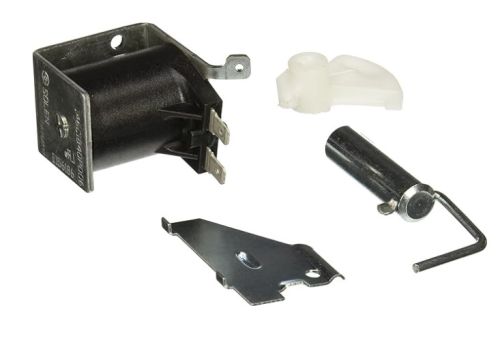 General Electric WD21X802 Dishwasher Drain Solenoid KitSpecial Price $74.88 Regular Price $78.38
 -
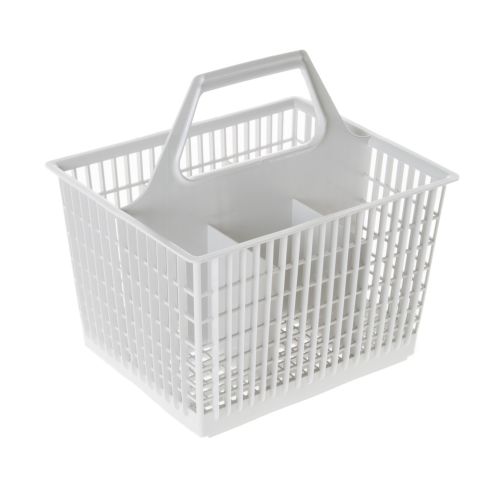 General Electric WD28X265 Dishwasher Silverware BasketSpecial Price $68.15 Regular Price $68.41
 -
 General Electric WD3X764 Dishwasher Soap Cup SpringSpecial Price $27.97 Regular Price $46.95
 -
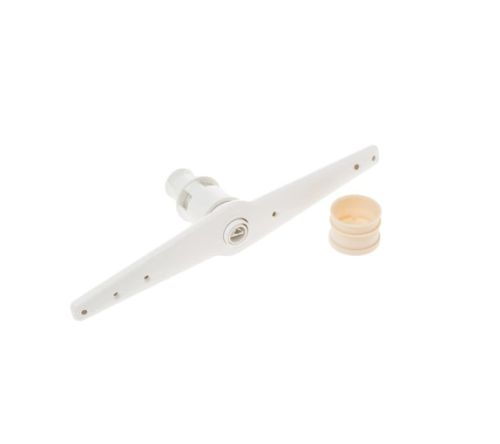 General Electric WD35X10011 Dishwasher Spray Arm AssemblySpecial Price $43.06 Regular Price $53.95