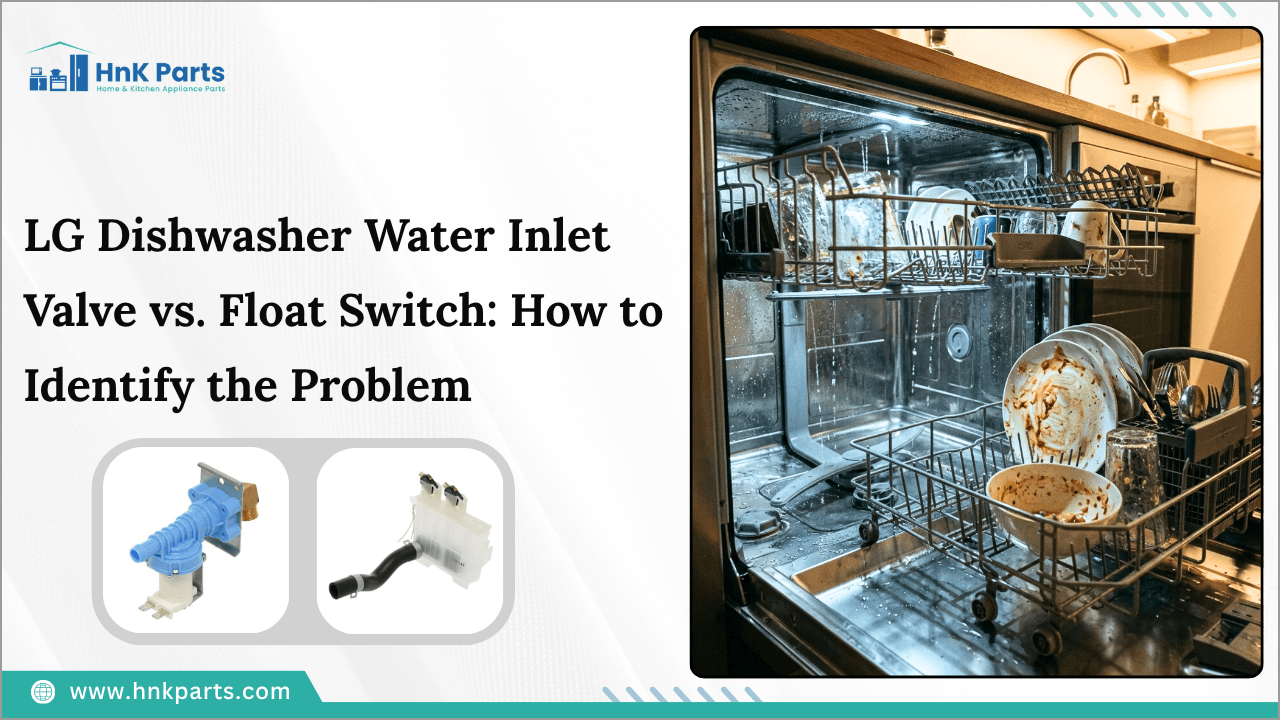
LG Dishwasher Water Inlet Valve vs. Float Switch: How to Identify the Problem
LG dishwashers are designed to manage water levels automatically, but even small faults can interrupt their operation. When filling issues occur, the water inlet valve and float switch are the two components most often responsible for the disruption, together linked to roughly 60% of filling-related operational problems.
Recognizing how each part affects water flow makes troubleshooting much simpler. This guide breaks down the key differences so you can quickly determine whether the issue is linked to water supply control through the inlet valve or the safety response triggered by the float switch.
What Does the LG Dishwasher Water Inlet Valve Do?
The LG dishwasher water inlet valve is a precision-controlled component that manages water entry into the dishwasher for each wash cycle. Instead of simply allowing water in, it regulates timing and flow to ensure proper operation. Its key function is to control water flow:
-
Timed Water Admission Control: The valve opens based on control board timing, allowing water only after pre-drain and system checks for stable startup conditions.
-
Load-Responsive Filling Behavior: It adjusts water intake based on selected cycle and feedback, ensuring correct levels for light or heavy loads without manual input.
-
Pressure-Stabilized Operation: It compensates for household water pressure changes by controlling open duration instead of relying on flow strength.
-
Cycle Stage Synchronization: The valve activates only during required stages like pre-wash, main wash, and rinse to avoid unnecessary water flow.
-
Internal Safety Cut Mechanism: The system monitors timing and electrical response, restricting valve operation if irregular behavior is detected.
-
Hydraulic Preparation for Spray System: It sets the correct water level so spray arms maintain uniform pressure and consistent cleaning coverage.
Confused about whether your LG dishwasher issue is the water inlet valve or the float switch? Fix it quickly with high-quality home and kitchen appliance parts from HnK Parts. Shop premium LG dishwasher replacement parts such as water inlet valves, float switches, spray arms, pumps, and more, delivered straight to your home. Order now and enjoy fast, hassle-free delivery right to your doorstep.
How the Float Switch Protects Your LG Dishwasher
The LG dishwasher float switch supports proper water circulation and reduces damage caused by excess moisture and pressure through the following mechanisms:
-
Prevents Hidden Steam Damage: The float switch controls excess water that can create heavy steam buildup and slowly damage internal wiring and plastic components.
-
Protects the Circulation Pump From Water Stress: Proper water regulation prevents abnormal pressure that can place extra strain on the circulation pump during wash cycles.
-
Maintains Accurate Spray Arm Performance: Correct water levels help the spray arms maintain balanced rotation and consistent cleaning pressure.
-
Reduces Long-Term Door Seal Expansion: By preventing excess internal pressure, the float switch helps reduce stress on the dishwasher door gasket.
-
Protects Turbidity Sensor Accuracy: Stable water conditions allow internal sensors to measure water cleanliness more accurately for optimized cycle performance.
-
Helps Stabilize Heating Efficiency: The float switch maintains the proper water-to-heat balance, helping the heating system operate efficiently.
-
Prevents Moisture Accumulation Beneath the Filter Area: Controlled water levels help reduce trapped moisture around the lower filter and sump area, minimizing odor and buildup issues.
Safe and stable dishwasher operation relies on an effective float switch. If it malfunctions, LG dishwasher float switch replacement becomes necessary.
LG Dishwasher Water Inlet Valve vs. Float Switch: Key Differences in Symptoms
LG dishwasher filling issues are commonly caused by either the water inlet valve or the float switch, each showing different symptoms during operation. Identifying the cause depends on observing dishwasher behavior during fill and cycle stages, as shown below:
|
Symptoms Observed |
Inlet Valve |
Float Switch |
|
Dishwasher Not Filling With Water |
No water enters dishwasher, tub remains dry, humming sound during fill attempt, IE/1E error displayed, very slow or no water entry |
Water enters intermittently, filling pauses repeatedly, float appears raised, no steady water flow during fill stage. |
|
Dishwasher Overfilling or Leaking |
Water continues to enter beyond normal start time, water present before cycle begins, water entry continues even when cycle is paused |
Water level rises higher than usual inside tub, AE error displayed, water visible in base pan, drain operation starts during fill stage |
|
Strange Timing in Wash Cycles |
Delay before water entry begins, weak or uneven water flow during fill stage, inconsistent fill timing across cycles |
Wash cycle pauses unexpectedly, mid-cycle stopping without warning, drain sound occurs during wash stage |
|
No Error Codes vs Error Codes |
IE/1E error appears during start, no water detected message, fill stage stops immediately |
AE error appears during cycle, repeated draining sound, cycle shuts down without inlet-related error |
|
Low Water / Poor Cleaning Performance |
Water level remains low in tub, weak spray pressure during wash, detergent remains visibly undissolved |
Water level drops earlier than expected during cycle, uneven water level visible inside tub |
|
Random Drain Activation |
Water entry resumes irregularly after drain, inconsistent fill pattern observed |
Drain sound occurs repeatedly without clear cycle stage, drain activates during fill or wash stage |
|
Cycle Won’t Progress Past Fill Stage |
Dishwasher remains in fill stage for extended time, repeated fill attempts observed, and the cycle does not move forward |
Wash cycle does not start despite visible water, float position remains unchanged while cycle is stuck |
How to Test the Water Inlet Valve and Float Switch
Before testing the water inlet valve and float switch, first identify the LG dishwasher water inlet valve location, usually at the bottom-left rear, where the inlet hose connects. Follow the steps below for testing:
Tools Needed for Testing
- Multimeter (continuity, resistance, and AC voltage stability check)
- Clamp meter (to observe live current draw of inlet valve coil)
- Screwdriver set
- Flashlight
- Small container or towel
- Insulated probe (for in-circuit measurement during fill cycle)
Step 1: Observe Fill Start Delay Pattern
Start a cycle and measure time before water entry begins. Normal LG dishwasher fill response is typically 5–15 seconds after cycle initiation. Delays beyond 20–30 seconds indicate unstable inlet activation or signal delay.
Step 2: Check Valve Activation Response (Electrical + Flow Check)
Disconnect power and measure inlet valve coil resistance using a multimeter. A healthy LG dishwasher inlet valve typically reads around 800–1500 ohms (Ω), depending on the model. Readings as open circuit (∞) or very low resistance (<100Ω) indicate a faulty coil. During operation, coil current typically reads 0.2–0.4A (AC).
Step 3: Monitor Water Entry Pattern
Normal fill should be steady without interruption. Flow variations such as repeated stopping within 10–15 second intervals indicate inconsistent valve operation or supply instability.
Step 4: Inspect Float Movement Smoothness
Float should move freely through its range with no sticking. Activation point is typically when water reaches near 70–90% of sump height, depending on model design.
Step 5: Check Float Response Cut-Off Level
Release the float and observe whether it returns cleanly to its resting position or remains partially raised.
Step 6: Watch for Sudden Fill Cut-Off:
Water filling should not stop abruptly unless float activation occurs at the expected level.
Step 7: Compare Multiple Cycle Starts
Repeat tests 2–3 times. Fill behavior should remain consistent with less than 10% variation in fill time across cycles.
Safety Note: These tests involve live electrical checks and water components, so improper handling may cause misdiagnosis or damage. Avoid forcing the float switch or moving the float assembly, as it can affect water level detection and damage the mechanism. If readings are inconsistent, stop testing immediately.
Find out how to replace the water inlet valve on a Frigidaire dishwasher with this simple step-by-step process.
Summary: Choosing the Right Fix for Your LG Dishwasher
Correctly identifying whether the issue comes from the water inlet valve or the float switch is less about obvious failure and more about reading subtle behavior during the fill cycle. Small differences in timing, water response, and cycle interruption patterns reveal the true source of the problem, allowing a more precise and lasting repair approach.
Key Takeaways
-
Fill delays that vary from cycle to cycle indicate unstable inlet response patterns rather than a complete valve failure.
-
Early cycle stoppage after minimal water entry suggests incorrect water level interpretation rather than a water supply issue.
-
Repeated restart attempts within a single fill stage point to a mismatch between sensor feedback and control logic.
-
Silent stopping of water entry without error prompts often reflects intermittent inlet valve signaling rather than blockage.
-
False “full condition” detection at low water levels usually indicates sensing calibration issues rather than real overfilling.
-
Consistency across multiple short cycles provides a more reliable diagnosis than observing a single full wash cycle.
FAQs
How to tell if a dishwasher float switch is bad?
A bad float switch shows incorrect water level detection, causing the dishwasher to stop too early or behave as if it is overfilling. The float may also stick or trigger unexpected pauses during the fill stage.
How to tell if a dishwasher inlet valve is bad?
A bad inlet valve often shows up as no water entering the dishwasher, very slow filling, or continuous water flow that does not stop. In some cases, error codes like IE or 1E may appear, indicating a water intake problem.
Where is the LG dishwasher float sensor?
The float sensor in an LG dishwasher is typically located at the bottom of the tub, under a small floating component in the sump area. It rises with water levels and triggers the switch when a set level is reached.
How much does it cost for LG dishwasher water inlet valve replacement?
The cost of LG dishwasher water inlet valve replacement varies depending on whether you replace only the part or include labor charges, with DIY part replacement being the lowest cost at around $20–$130 (part only), while professional repair is higher due to labor and typically ranges from $120–$250+.
| Disclaimer: This article is for informational purposes only and reflects general troubleshooting ideas related to LG dishwasher water inlet valves and float switches. Actual symptoms, test results, and repair requirements may vary depending on the specific model, usage conditions |
-
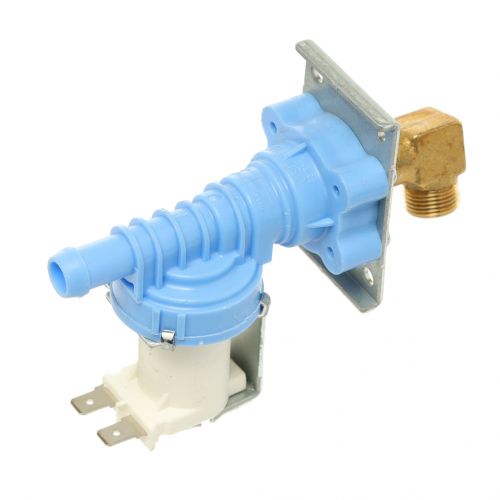 LG 5221DD1001E Dishwasher Water Inlet Valve AssemblySpecial Price $63.95 Regular Price $92.33
 -
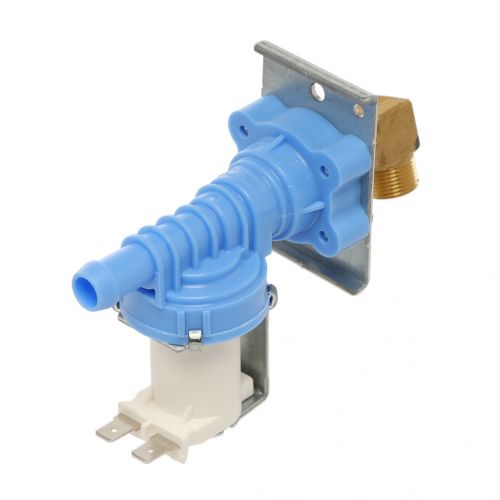 LG 5221DD1001F Dishwasher Water Inlet Valve AssemblySpecial Price $41.23 Regular Price $44.98
 -
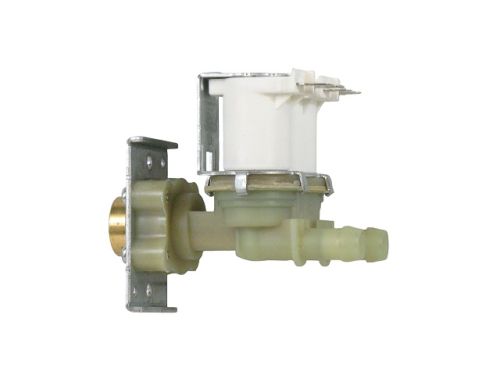 LG AJU33450703 Dishwasher Water Inlet Valve AssemblySpecial Price $101.08 Regular Price $133.70
 -
 LG AEB72004121 AC Discharge Grille AssemblySpecial Price $102.39 Regular Price $127.95
 -
 LG AGU74110902 Refrigerator Front Plate AssemblySpecial Price $71.86 Regular Price $73.95