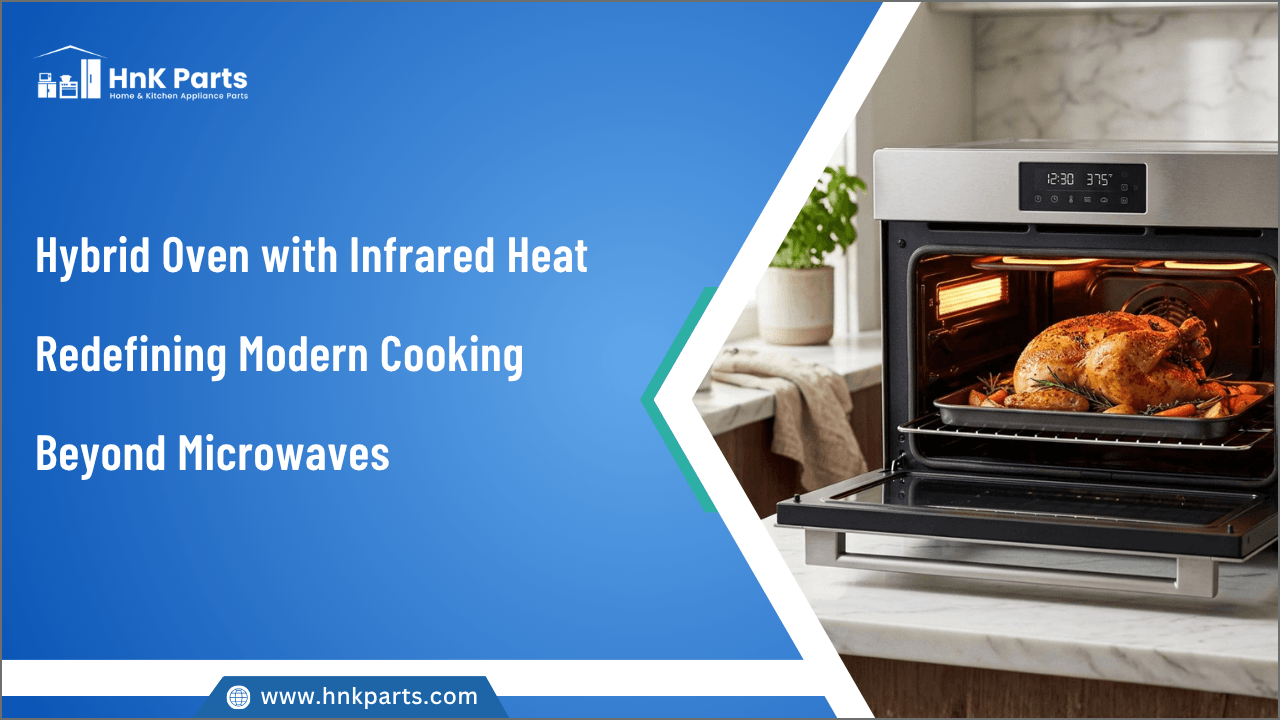
Hybrid Oven with Infrared Heat Redefining Modern Cooking Beyond Microwaves
Cooking habits are evolving, and so are the technologies behind them. While microwaves have long been the go-to for quick meals, they often fall short in delivering texture, flavor, and consistency. This is where hybrid ovens with infrared heat step in, transforming the way modern kitchens operate.
By combining rapid heat intensity with precision control, these ovens cook food faster while ensuring even results from the surface to the core. More importantly, they help retain moisture, enhancing taste and overall quality. As demand grows for smarter and more efficient cooking solutions, hybrid infrared ovens are emerging as a powerful upgrade, redefining convenience and performance beyond traditional methods.
Faster Cooking Performance with Infrared Heat Technology
Hybrid ovens equipped with infrared heat technology are transforming modern kitchens by delivering faster cooking performance without compromising quality. Unlike traditional appliances, infrared heat directly transfers energy to food, reducing cooking time while maintaining precision and efficiency. This advanced approach makes hybrid ovens a powerful alternative to conventional microwave cooking.
-
Uneven Heating Speed: Traditional cooking methods often take longer to distribute heat evenly, leading to inconsistent results. Infrared heat technology solves this by delivering instant, direct heat to the food surface, ensuring faster and more uniform cooking performance in hybrid ovens.
-
Long Preheating Time: Many conventional ovens require extended preheating, which delays meal preparation. Hybrid ovens with infrared heat minimize or eliminate preheating time, allowing users to start cooking immediately and improve overall kitchen efficiency.
-
Energy Inefficiency: Standard cooking appliances tend to waste energy by heating the surrounding air instead of focusing on the food. Infrared cooking targets the food directly, reducing energy consumption while enhancing faster cooking performance and lowering operational costs.
-
Overcooking or Undercooking: Inconsistent heat transfer can result in food being overcooked on the outside and undercooked inside. Infrared heat technology ensures controlled and precise heat penetration, helping hybrid ovens achieve optimal cooking results in less time.
-
Limited Cooking Speed in Microwaves: While microwaves are fast, they often compromise on texture and quality. Hybrid ovens combine infrared heat with other technologies to deliver faster cooking performance along with improved texture, flavor, and overall food quality.
Consistent and Even Cooking from Surface to Core
Achieving consistent and even cooking is essential for home kitchens, and hybrid ovens with infrared heat technology are designed to deliver exactly that. By combining infrared heat with advanced cooking mechanisms, these ovens ensure uniform heat distribution from the surface to the core, eliminating common cooking inconsistencies and improving overall food quality.
-
Cold Spots Formation: Traditional ovens and microwaves often create uneven heat zones, leaving parts of the food undercooked. Hybrid ovens use infrared heat to distribute energy more evenly, reducing cold spots and ensuring consistent cooking results throughout.
-
Overcooked Outer Layers: In many cooking methods, the exterior cooks faster than the interior, leading to burnt or dry surfaces. Infrared heat technology controls surface intensity while allowing gradual heat penetration, maintaining a balance between the outer layer and inner core.
-
Inconsistent Internal Temperature: Achieving the right internal temperature can be challenging with conventional appliances. Hybrid ovens ensure steady heat transfer, allowing food to cook evenly from surface to core without compromising safety or texture.
-
Uneven Texture and Doneness: Irregular cooking often results in food with mixed textures—some parts overdone while others remain raw. With precise infrared heating, hybrid ovens create uniform doneness, enhancing both taste and presentation.
-
Reliance on Manual Adjustments: Traditional cooking often requires constant monitoring and adjustments to maintain consistency. Hybrid ovens automate heat distribution, reducing the need for intervention while delivering reliable, even cooking performance every time.
Learn about the types of ovens explained: how to choose the right one for your kitchen, highlighting key oven types and factors for choosing the right fit.
Enhanced Moisture Retention for Better Taste and Texture
Maintaining moisture during cooking is critical for achieving superior taste and texture, and hybrid ovens with infrared heat technology excel in this area. By using precise, targeted heat, these ovens reduce unnecessary moisture loss while locking in natural juices. This results in meals that are not only flavorful but also tender and visually appealing.
-
Excessive Moisture Loss: Traditional cooking methods often draw out too much moisture, leaving food dry and unappetizing. Infrared heat technology minimizes surface dehydration, helping hybrid ovens retain natural juices and improve overall taste and texture.
-
Dry and Tough Texture: Overexposure to uneven heat can make food hard and chewy. Hybrid ovens use controlled infrared cooking to preserve internal moisture, ensuring a softer, juicier texture in meats, baked goods, and vegetables.
-
Flavor Degradation: When moisture escapes, essential flavors are lost along with it. By enhancing moisture retention, infrared heat helps maintain the original flavor profile, delivering richer and more satisfying meals.
-
Surface Burning Before Inside Cooks: Conventional appliances may overcook the exterior while the inside remains undercooked. Hybrid ovens balance heat intensity, preventing burning while allowing moisture to stay intact within the food.
-
Inconsistent Cooking Results: Variations in heat can lead to unpredictable outcomes, especially with delicate recipes. Infrared-based hybrid ovens provide stable and controlled cooking conditions, ensuring consistent moisture retention and better culinary results every time.
A Smarter Upgrade from Traditional Microwaves
Hybrid ovens with infrared heat technology represent a smarter upgrade from traditional microwaves, offering improved cooking performance, better food quality, and greater versatility. While microwaves prioritize speed, they often fall short in delivering consistent texture and precision. The comparison below highlights how hybrid ovens outperform traditional microwaves across key cooking aspects.
|
Feature |
Hybrid Infrared Oven |
Traditional Microwave |
|
Cooking Capabilities |
Supports baking, roasting, grilling, reheating, and multi-mode cooking |
Limited to reheating and basic cooking |
|
Cooking Speed |
Fast with controlled, direct heat application |
Fast but often uneven |
|
Texture Quality |
Crispy exterior with juicy interior |
Often, a soggy or rubbery texture |
|
Heat Distribution |
Even cooking from surface to core |
Uneven heating with hot and cold spots |
|
Moisture Retention |
High moisture retention for better taste |
Can dry out or unevenly heat food |
|
Nutrient Retention |
Preserves nutrients with controlled infrared heat |
Nutrient loss due to inconsistent heating |
|
Energy Efficiency |
More efficient with targeted heat usage |
Moderate efficiency with heat loss |
|
Precision Control |
Advanced temperature and cooking mode control |
Limited control over heat intensity |
|
Versatility |
Suitable for multiple cooking styles and recipes |
Restricted functionality |
Overall, hybrid infrared ovens deliver a more balanced and efficient cooking experience compared to traditional microwaves. By addressing common limitations such as uneven heating, poor texture, and lack of versatility, they provide a reliable and modern solution for achieving high-quality cooking results.
Understand how to clean a microwave: 10 pro hacks that work, highlighting quick and effective cleaning tips for better hygiene and performance.
Summary: Why Hybrid Infrared Ovens Are Redefining Modern Cooking
Hybrid infrared ovens are transforming the way food is prepared by combining speed, precision, and superior cooking quality. With hybrid infrared ovens, users benefit from faster cooking performance, even heat distribution, and better moisture retention, making them a reliable upgrade over traditional appliances. Investing in hybrid infrared ovens not only enhances cooking results but also supports efficient, consistent, and modern kitchen operations.
Key Takeaways
-
Hybrid infrared ovens deliver faster cooking performance by using direct heat transfer technology
-
They ensure consistent and even cooking from surface to core, eliminating hot and cold spots
-
Enhanced moisture retention helps improve taste, texture, and overall food quality
-
Hybrid infrared ovens offer greater versatility compared to traditional microwaves
-
Energy-efficient cooking reduces waste and improves kitchen productivity
-
Upgrading to hybrid infrared ovens supports smarter, long-term cooking solutions
Looking for high-quality home and kitchen appliance parts? Shop at HnK Parts for genuine OEM and compatible components designed to restore performance and extend equipment life. We offer a wide selection of parts for ovens, microwaves, infrared hybrid ovens, refrigeration units, and more. Whether you're upgrading your equipment or replacing worn-out components, we ensure durability, competitive pricing, and fast shipping.
Resource:
https://www.nal.usda.gov/human-nutrition-and-food-safety
FAQs
What is a hybrid infrared oven, and how does it work?
A hybrid infrared oven combines infrared heat technology with convection or microwave functions to cook food faster and more evenly. It uses direct heat transfer to target the food surface while ensuring consistent internal cooking.
Is a hybrid infrared oven better than a traditional microwave?
Yes, hybrid infrared ovens offer better cooking performance compared to traditional microwaves. They provide improved texture, even cooking, and enhanced moisture retention, making them a smarter upgrade for modern kitchens.
Does infrared cooking dry out food?
No, infrared cooking actually helps retain moisture when used in hybrid ovens. The controlled heat reduces unnecessary moisture loss, resulting in juicier and more flavorful meals.
Can hybrid infrared ovens be used for multiple cooking methods?
Yes, hybrid infrared ovens are highly versatile and can be used for baking, roasting, grilling, and reheating. This makes them suitable for both home and commercial cooking needs.
| Disclaimer: This content is for informational purposes only and is not intended as professional or technical advice. Always refer to manufacturer guidelines. |
-
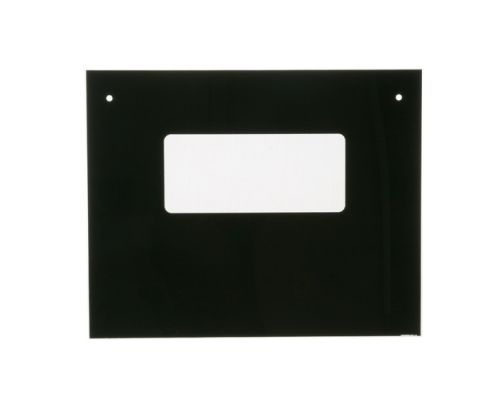 General Electric WB57K5256 Oven Outer Door Glass BlackSpecial Price $77.57 Regular Price $122.43
 -
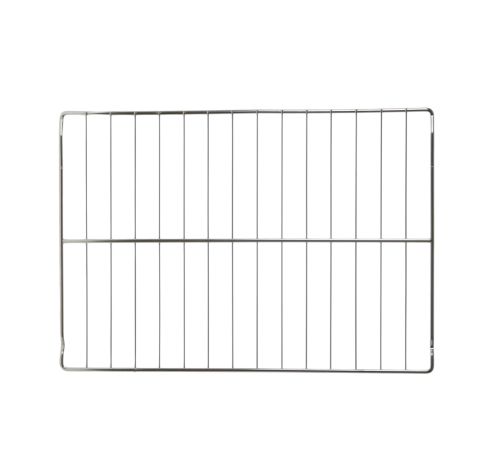 General Electric WB48X5099 Oven RackSpecial Price $35.54 Regular Price $49.74
 -
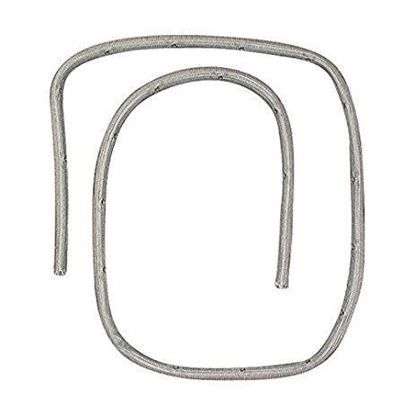 Frigidaire 5303131601 Range Oven Door SealSpecial Price $180.72 Regular Price $273.99