
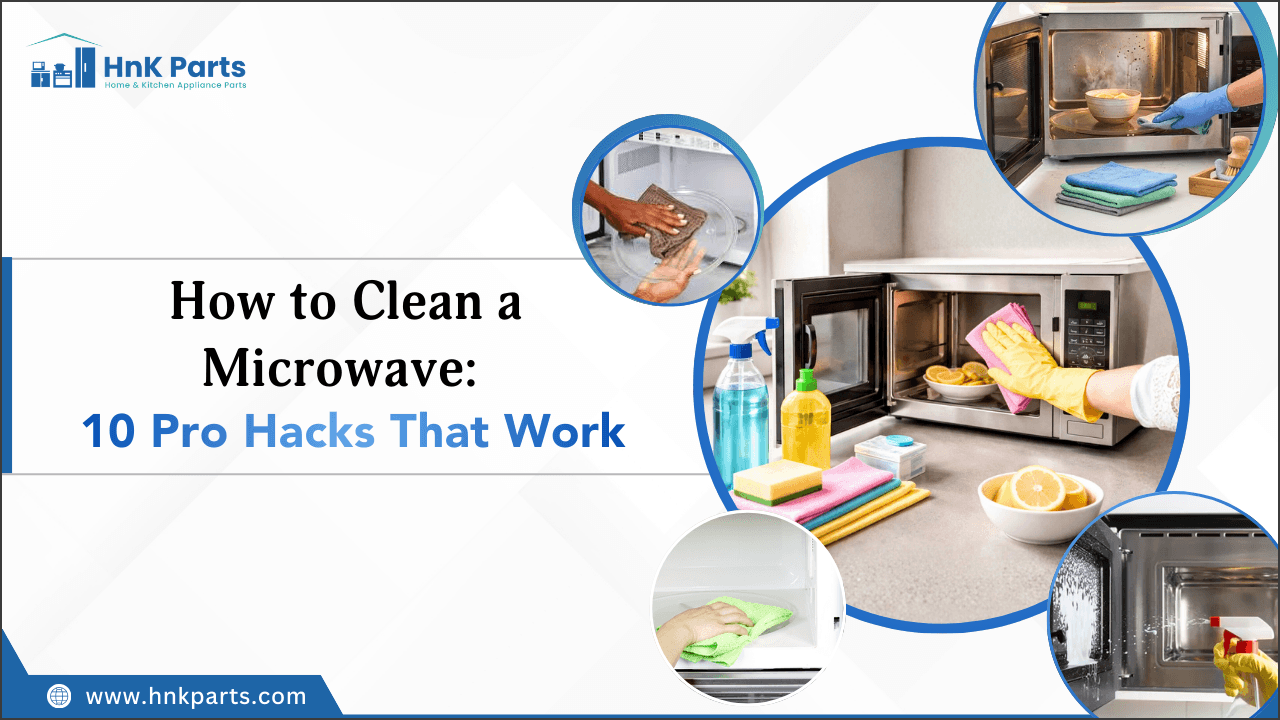
How to Clean a Microwave: 10 Pro Hacks That Work
A microwave is one of the most frequently used appliances in any kitchen, but it’s also one of the easiest to overlook when it comes to cleaning. Food splatters, baked-on stains, and lingering odors can quickly build up inside, affecting both hygiene and performance. The good news is that cleaning a microwave doesn’t have to be time-consuming or complicated. With a few simple ingredients and smart techniques, you can restore it in minutes. In this guide, you’ll discover 10 pro hacks that work, from natural lemon steam cleaning to effective ways to remove stubborn stains and eliminate unpleasant microwave odors.
How to Clean a Microwave with Lemon and Water (Quick Natural Method)
Cleaning a microwave naturally can be quick and effective with the lemon steam method. This simple technique uses the natural acidity of lemon and hot steam to loosen grease, soften dried food splatters, and neutralize lingering odors. Within a few minutes, steam penetrates stubborn grime, making it easy to wipe away without harsh chemicals or heavy scrubbing.
Step-by-Step Lemon Steam Method
Step 1. Prepare the Solution: Fill a microwave-safe bowl with about 1 cup of water.
Step 2. Add Citrus: Cut a fresh lemon in half and squeeze the juice into the bowl. Place the squeezed lemon halves or slices into the water to enhance the cleaning and deodorizing effect.
Step 3. Heat on High: Place the bowl in the center of the microwave and heat on high for 3–5 minutes until the water boils and steam fills the interior.
Step 4. Let It Sit: Keep the microwave door closed for about 5 minutes after heating. The trapped steam helps loosen grease and soften stubborn food residue.
Step 5. Wipe Down: Carefully remove the bowl using oven mitts if needed. Use a microfiber cloth or soft sponge to wipe the ceiling, walls, turntable, and door of the microwave.
Pro Tip: For tougher stains, dip your cloth into the warm lemon water and gently scrub the affected area.
Why This Method Works
-
Natural Degreaser: The citric acid in lemon juice breaks down greasy buildup and food residue.
-
Odor Neutralizer: Lemon oils help eliminate unpleasant microwave smells, including burnt food odors.
-
Eco-Friendly Cleaning: This method is non-toxic, chemical-free, and food-safe, making it ideal for regular kitchen appliance maintenance.
How to Remove Baked-on Food and Stubborn Microwave Stains
Baked-on food and stubborn microwave stains can be difficult to remove, especially when grease and sauces have hardened over time. Professional cleaning methods typically combine steam to loosen residue with mild abrasives like baking soda to lift stubborn grime without damaging the microwave’s interior surface. These simple techniques help break down tough buildup and restore the appliance’s cleanliness with minimal effort.
The Baking Soda “Power Paste” Method: For stains that remain after basic steaming—such as burnt sauce, grease splatters, or hardened food residue—a baking soda paste works as a safe and effective cleaning solution.
-
Create the Paste: In a small bowl, mix 2 tablespoons of baking soda with 1 tablespoon of water until it forms a thick, spreadable paste.
-
Apply and Let It Sit: Spread the paste directly onto the stubborn stains or baked-on spots. Let it sit for about 10 minutes so the baking soda can break down the hardened residue.
-
Scrub and Rinse: Using a damp sponge or microfiber cloth, gently scrub the area in circular motions. The mild abrasiveness of baking soda helps loosen the grime. Wipe away the remaining paste with a clean, damp cloth.
Extra-Strength Vinegar Steam Method: If your microwave is heavily splattered with grease or dried food particles, a vinegar steam treatment can help dissolve stubborn buildup before wiping.
-
Prepare the Mixture: Combine 1 cup of water with 2 tablespoons of white vinegar in a microwave-safe bowl. For very heavy buildup, you can increase the vinegar to ½ cup.
-
Heat the Solution: Place the bowl in the microwave and heat on high for about 5 minutes until the mixture reaches a boil and fills the interior with steam.
-
Create the “Steam Sauna”: Leave the microwave door closed for 10–15 minutes after heating. The trapped acidic steam helps soften hardened food and grease, making them easier to wipe away.
-
Turntable Care: Once the microwave has cooled, remove the glass turntable and wash it separately with warm, soapy water. Avoid placing a hot turntable in water, as sudden temperature changes can cause it to crack.
Best Way to Get Rid of Microwave Smells and Odours
Lingering microwave odors often develop when food splatters, grease, or burnt residue remain inside the appliance. To effectively remove these smells, first clean out any visible debris and then use natural odor absorbers or steam treatments to neutralize the air inside the microwave. Simple household ingredients like baking soda, coffee grounds, and vinegar can help eliminate unpleasant odors without harsh chemicals.
The Overnight “Dry” Absorber Method: For strong odors—such as burnt popcorn, fish, or heavily spiced foods—an overnight deodorizing treatment can help absorb lingering smells.
-
Baking Soda: Place an open box or a small bowl containing about ½ cup of baking soda inside the microwave. Close the door and leave it overnight (or up to 24 hours) so the baking soda can absorb odors.
-
Coffee Grounds: Fresh or used coffee grounds are excellent at trapping strong smells. Put 2 tablespoons to ½ cup of coffee grounds into a bowl and leave it inside the microwave overnight.
-
Activated Charcoal: For persistent odors, place a small bowl of activated charcoal inside the microwave for a day or two. Charcoal naturally absorbs strong smells and helps purify the air.
Steam Solutions for Immediate Freshness: Steam cleaning can help remove odors quickly by distributing deodorizing ingredients throughout the microwave interior.
-
Vinegar Steam: Mix ½ cup of white vinegar with ½ cup of water in a microwave-safe bowl. Heat on high for 3–5 minutes until the mixture boils, then leave the door closed for about 15 minutes to allow the steam to neutralize odors.
-
Vanilla Extract: For a mild, pleasant scent, add 1 tablespoon of vanilla extract to a bowl of water and heat for about 6 minutes, allowing the steam to circulate for 15–20 minutes.
-
Cinnamon or Essential Oils: Add a few drops of lemon, lavender, or eucalyptus oil to a bowl of water before heating. The steam helps spread the fragrance and freshen the microwave interior.
Check Hidden Odor Traps: Sometimes odors linger because food particles or grease are trapped in areas that are often overlooked.
-
Turntable and Door Seal: Remove the glass turntable and check underneath for food debris. Clean the tray and scrub the rubber door gasket with a toothbrush dipped in warm, soapy water.
-
Charcoal Filter: If you have an over-the-range microwave, the smell may be trapped in the charcoal grease filter. These filters should typically be replaced every 6–12 months if they become saturated with grease and odors.
Natural Microwave Cleaning Hacks Without Harsh Chemicals
Cleaning a microwave doesn’t require strong chemical cleaners. Many everyday pantry items—such as vinegar, steam, and citrus fruits—can effectively loosen grease, dissolve food residue, and eliminate odors. These natural methods are safe, affordable, and ideal for maintaining a non-toxic food preparation environment while keeping your microwave fresh and hygienic.
1. The Vinegar “Steam Bomb”: White vinegar contains acetic acid, which dissolves grease and loosens dried food without leaving harmful residues. Mix 1 cup of water with 1 tablespoon of white vinegar in a microwave-safe bowl and place a wooden toothpick or spoon inside to prevent superheating. Microwave on high for about 5 minutes until steam fills the interior. The acidic steam softens hardened grime, making it easy to wipe the microwave clean with a damp cloth or sponge.
2. The Dish Soap Steam Method: If you prefer a fresh scent instead of vinegar, use dish soap and steam to loosen splatters. Add a generous squirt of grease-cutting dish soap to a bowl of warm water and microwave it for about 3 minutes until steam forms. Leave the door closed for another 5 minutes so the soapy steam can soften dried residue. Then wipe the microwave walls, ceiling, and interior with a soft sponge or microfiber cloth.
3. The Wet Paper Towel Trick: For a quick, no-bowl cleaning method, soak several paper towels in water and place them inside the microwave. Run it on high for 3–5 minutes so the towels produce steam that loosens food residue. Once slightly cooled, use the same damp paper towels to wipe the interior walls, ceiling, and turntable for an easy all-in-one clean.
4. Essential Oils for Freshness: To add a pleasant fragrance while cleaning, place 2–3 drops of essential oil—such as lemon, orange, or tea tree—into a bowl of water before steaming it in the microwave. The steam spreads the scent while helping loosen residue. Tea tree oil provides natural antibacterial benefits, while citrus oils help dissolve sticky buildup and leave a refreshing aroma.
5. The Citrus Fruit Alternative (Grapefruit or Lime): If lemons aren’t available, grapefruit or lime can work just as well. Slice the fruit, place it in a bowl of water, and microwave it using the steam-cleaning method. The citrus-infused steam loosens grease and dried splatters, while the citric acid breaks down residue and naturally deodorizes the microwave.
Summary: The Easiest Way to Keep Your Microwave Sparkling
Keeping your microwave clean doesn’t require constant deep scrubbing—simple, consistent habits can prevent stubborn stains and lingering odors from forming in the first place. By using quick cleaning tricks like steam methods and natural ingredients, along with regular wipe-downs after spills, you can maintain a fresh and hygienic microwave with minimal effort. A few seconds of routine maintenance helps stop grease and food splatters from hardening into difficult residue, ensuring your appliance stays clean, efficient, and ready to use.
Key Takeaways:
-
Clean spills immediately because fresh splatters wipe away in seconds and help prevent baked-on stains that require heavy scrubbing.
-
Use a microwave cover to stop food from splattering inside by covering dishes with a microwave-safe lid or paper towel.
-
Do a weekly steam clean by heating a bowl of water with lemon or vinegar for a few minutes to loosen minor buildup and refresh the interior.
-
Wipe the exterior regularly using a microfiber cloth and mild soap to prevent grease and fingerprint buildup on the handle, keypad, and door.
-
Wash the turntable frequently by removing the glass tray and cleaning it with warm, soapy water or placing it in the dishwasher to avoid stains.
-
Use natural cleaners like lemon, vinegar, and baking soda because they clean effectively without harsh chemicals.
Keep your appliances running at peak performance with HnK Parts, your reliable source for high-quality compatible home and kitchen appliance replacement parts. We offer durable parts for microwaves, refrigerators, ovens, and other essential kitchen equipment to help you reduce downtime and extend appliance lifespan. With competitive pricing, dependable quality, and fast shipping, we make it easy to find the right parts for efficient repairs and long-term performance.
Reference:
https://hygienefoodsafety.org/does-microwave-kill-bacteria/
https://www.fda.gov/radiation-emitting-products/resources-you-radiation-emitting-products/microwave-ovens
FAQs
How often should I deep clean my microwave?
Weekly. A quick steam clean prevents grease buildup, but always wipe splatters immediately to stop them from hardening.
Is it safe to use vinegar to clean my microwave?
Yes. It’s a non-toxic degreaser that neutralizes odours without leaving chemical residues near your food.
How do I clean the yellow stains inside my microwave?
Apply a baking soda paste for 15 minutes, then scrub. For tough plastic stains, use a 3% hydrogen peroxide solution.
| Disclaimer: The information provided in this article is for general educational and maintenance purposes only. Cleaning methods may vary depending on microwave models, so always refer to the manufacturer’s instructions before attempting any cleaning procedure. |
-
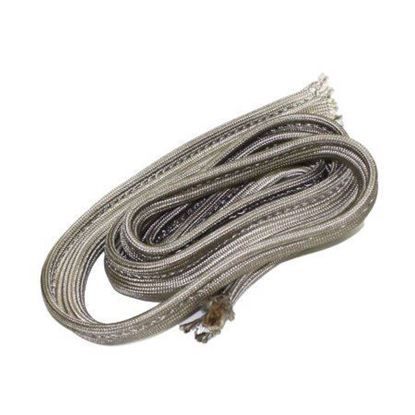 General Electric WB2K5319 Range Oven Door GasketSpecial Price $141.16 Regular Price $160.22
 -
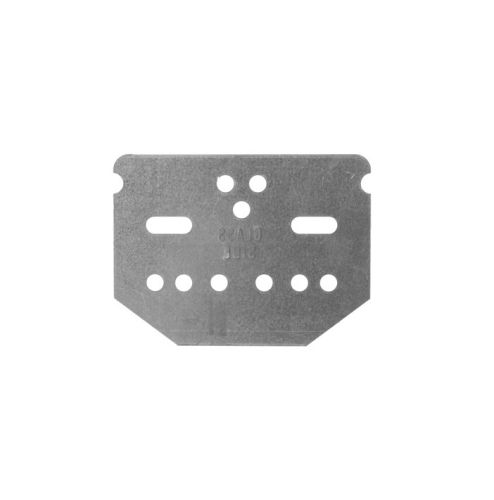 General Electric WB2K5395 Range Reinforcement PlateSpecial Price $12.82 Regular Price $15.00
 -
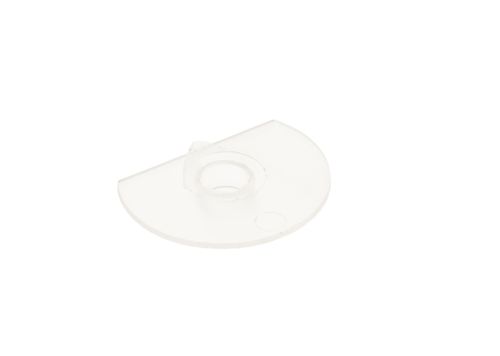 General Electric WB2K5147 Range SpacerSpecial Price $12.20 Regular Price $12.27
 -
 General Electric WB19X10006 Range Electronic Clock and Timer KitSpecial Price $315.65 Regular Price $429.32
 -
 General Electric WB19K14 Oven Safety ValveSpecial Price $302.70 Regular Price $411.71