The Future of Home Cooking: How Infrared Heating Is Changing Oven Technology
The residential kitchen is experiencing a quiet technological shift. Home cooks want appliances that deliver faster cooking, lower energy use, and consistent results without long preheating times. Traditional heating coils and basic convection systems are increasingly complemented by advanced electromagnetic heating, with infrared (IR) technology gaining attention.
Unlike conventional ovens that gradually heat the surrounding air, infrared systems transfer radiant energy directly to the food surface. Research indexed by the National Institutes of Health (NIH) has reported that infrared heating can achieve high heat-transfer rates and, under certain conditions, use less energy than conventional heating methods. This direct heat transfer can also reduce the time required to bring food to the desired cooking temperature.
How Infrared Ovens Differ From Conventional Home Ovens?
Infrared ovens differ from conventional home ovens in how they transfer heat to food. Traditional ovens mainly warm the surrounding air, while infrared ovens use radiant energy for more direct heat transfer. The following process explains this difference:
- Conventional Heating: Traditional residential ovens primarily use conduction and convection. Heating elements warm the air inside the oven cavity, and that heated air gradually transfers energy to the food. Reaching the desired temperature can take 15–20 minutes, and opening the door allows hot air to escape.
- Infrared Energy Generation: Infrared ovens use specialized quartz or ceramic elements. When electric current passes through these elements, they generate infrared electromagnetic waves that travel through the oven cavity toward the food.
- Food-Surface Absorption: The infrared energy reaches the food surface, where it is absorbed by water molecules and organic compounds. This interaction produces molecular vibration and localized heating at the food’s boundary layer.
- Reduced Thermal Delay: Because radiant energy is directed toward the food rather than relying primarily on heating the entire oven cavity first, infrared systems can reduce the initial heating delay associated with conventional ovens.
- Heat Distribution: Built-in reflectors help direct infrared energy across the cooking area, supporting more consistent exposure and helping reduce uneven heating.
How Infrared Radiation Heats Food
When infrared waves hit the surface of your food, water molecules and organic compounds absorb that energy instantly. As documented in food processing studies indexed by ResearchGate, infrared radiation directly excites water molecules in food, causing rapid molecular vibration that generates localized heat directly at the food's boundary layer. Built-in reflectors bounce these beams evenly throughout the oven, eliminating hot and cold spots so your sheet-pan dinners cook uniformly.
Explore the types of ovens explained: how to choose the right one for your kitchen.
Home Kitchen Efficiency: Faster Preheating, Direct Heat Transfer, and Energy Use
Energy conservation and convenience are top priorities for today’s households. Running a traditional 240V electric oven for a single pizza or a small batch of roasted vegetables wastes a lot of electricity during the preheat phase alone. Infrared heating turns electrical power into active cooking heat the instant you press start.
The table below compares traditional convection ovens with modern infrared ovens across key factors, including heat-transfer method, preheating time, moisture retention, surface crisping, and kitchen heat impact:
|
Performance Metric |
Traditional Home Convection Oven |
Modern Home Infrared Oven |
|
Heat Transfer Method |
Air convection & wall conduction |
Direct radiant electromagnetic |
|
Preheating Time |
15–20 Minutes |
0–2 Minutes |
|
Moisture Retention |
Moderate (moving air dries food) |
High (rapid outer sear seals juice) |
|
Surface Crisping |
Slow, gradual browning |
Fast, uniform browning & crunch |
|
Kitchen Heat Impact |
High (warms up the room) |
Minimal (heat stays in the food) |
The differences shown above translate into several practical benefits for everyday home cooking:
- Instant Dinner Prep: Quartz elements reach full cooking power immediately, so you can skip preheating entirely for most weeknight meals.
- Reduced Energy Bills: Shorter overall runtimes mean your home uses fewer kilowatt-hours per meal. A review in MDPI Food Sciences highlights that IR technology significantly cuts operational energy consumption compared to thermal air heating.
- Faster Meal Runtimes: Direct heat transfer cuts cooking times for meats, frozen foods, and baked dishes by up to 30% to 50%.
- A Cooler House in Summer: Concentrating heat on the food rather than the room keeps your kitchen comfortable and reduces strain on your central air conditioning.
- Consistent Batch Cooking: Rapid heat recovery means opening the door to rotate baking sheets won't ruin your oven temperature.
Juicier Roasts and Crispier Crusts: The Science of Home IR Cooking
Beyond faster cooking, infrared heating can influence the texture and moisture of everyday home-cooked foods. Conventional convection ovens continuously move hot air around food, which can increase surface moisture loss. Infrared heating provides rapid surface heating, supporting browning and crust formation. The following examples show how these effects can apply to everyday cooking:
- Meats & Poultry: Get a rich, golden-brown crust on the outside while keeping the inside juicy and tender.
- Vegetables: Roasts broccoli, asparagus, and potatoes quickly, creating crispy edges without turning the insides mushy.
- Baking & Pizza: Crisps dough rapidly from the bottom up, giving homemade pizzas and bread a bakery-quality crunch without drying out the crumb.
- Nutrient Retention: Studies from the Institute of Food Technologists (IFT) indicate that shorter thermal exposure times from radiant heating help preserve delicate vitamins and bioactive compounds in roasted foods compared to prolonged baking times.
Discover to learn how to use an oven for baking, roasting, and everyday cooking.
Smart Home Kitchens: Smart Sensors, Compact Countertop Units, and Hybrid Cooking
As home appliance brands continue to innovate, infrared technology is being built into sleek built-in ranges, countertop smart ovens, and versatile multi-cookers. Many modern countertop appliances combine infrared heating with air frying or microwaving. While microwaves or convection fans heat or defrost the interior, infrared elements brown and crisp the outside, giving you speed without the soggy texture of traditional reheating.
Next-generation infrared home ovens feature smart temperature sensors and intuitive app connectivity. These systems monitor the surface temperature of your food in real time, automatically adjusting the radiant output so you never burn a meal again.
For apartments, small kitchens, or homes looking to downsize heavy appliances, compact infrared countertop ovens offer full oven capability in a fraction of the space—making them a perfect fit for modern living.
Key Takeaways
- Infrared home ovens use radiant energy waves to heat food directly, skipping the long wait times needed to warm up oven air.
- Near-zero preheat times get weeknight dinners ready faster while trimming your monthly electricity bill.
- Rapid surface searing locks in juices, producing tender meats, crisp vegetables, and bakery-style crusts.
- Less wasted heat means your kitchen stays cooler during warm summer months.
- Combining infrared heating with smart app presets and air frying makes home cooking easier and more reliable than ever.
Looking for the right part to address an oven issue? Find high-quality home and kitchen appliance parts at HnK Parts. Shop oven replacement parts such as burners, heating elements, control boards, igniters, sensors, door seals, switches, and more for leading brands like Miele, GE, Whirlpool, Samsung, LG, and Wolf, with fast shipping straight to your doorstep.
References:
https://asbe.org/article/hybrid-ovens/
https://pmc.ncbi.nlm.nih.gov/articles/PMC6891297/
https://www.sciencedirect.com/science/article/pii/S2950069924000409?via%3Dihub
https://www.ift.org/
FAQs
How does an infrared home oven differ from a standard convection oven?
A convection oven uses fans to blow heated air around your dish, which can take 15–20 minutes to preheat and can dry out food. An infrared oven uses light waves to heat the food directly and instantly without relying on hot air.
Can I use my regular baking dishes in an infrared home oven?
Yes! Unlike induction cooktops that require specific magnetic cookware, infrared radiant heat works safely with all standard oven-safe cookware, including glass, ceramic, cast iron, silicone, and aluminum baking sheets.
Will an infrared oven really lower my electric bill?
Yes. Because infrared elements don't need a long preheat cycle and cook food up to 50% faster, the total electricity consumed per meal is noticeably lower compared to traditional wall ovens.
Is infrared heating safe for cooking food at home?
Completely. Infrared heat is simply a form of natural radiant light energy, the same kind of heat you feel from the sun or a fireplace. It cooks food pure and clean without emitting harmful radiation or changing the chemical structure of your food.
How do I clean and maintain an infrared home oven?
Keeping the interior and radiant element covers clean from grease splatter ensures the heat waves can reach your food unblocked. Gentle wiping with mild soap and water after the unit cools down is usually all that is needed.
| Disclaimer: This blog is for informational purposes only and provides general information about home electric cooking appliances and infrared technology. Features and performance may vary depending on the appliance brand and model. |
-
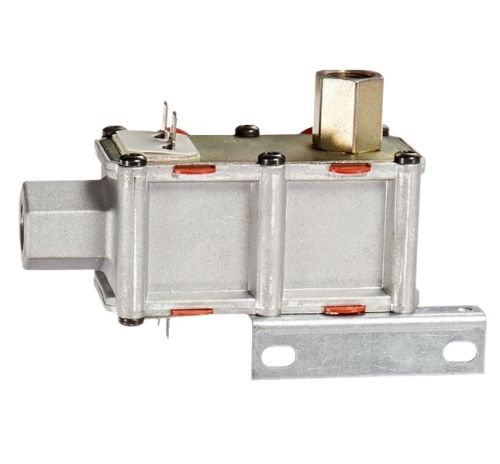 General Electric WB19K14 Oven Safety ValveSpecial Price $302.70 Regular Price $411.71
 -
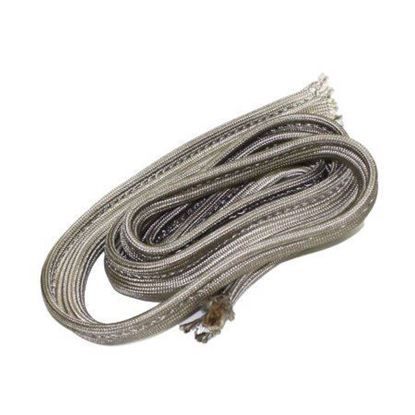 General Electric WB2K5319 Range Oven Door GasketSpecial Price $141.16 Regular Price $160.22
 -
 General Electric WB15X10048 Range Oven Door Handle WhiteSpecial Price $69.34 Regular Price $94.42
 -
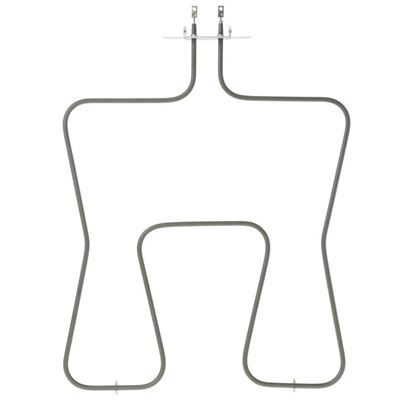 General Electric WB44X169 Range Oven Bake ElementSpecial Price $66.01 Regular Price $82.95