Stove vs Oven Cost Explained: What You’ll Really Pay in 2026
When it comes to kitchen upgrades, a new stove or oven is a significant investment for homeowners in the U.S. In 2026, prices can range from a few hundred to several thousand dollars, depending on whether you choose electric, gas, or high-end models. Factors like brand, features, installation requirements, and energy efficiency all influence the total cost, so careful planning is important before making a purchase.
Around 78% of consumers evaluate or feel comfortable purchasing ovens and stoves, using price comparisons. This article helps homeowners understand both upfront prices and long-term costs, such as maintenance and energy use.
Why Stove and Oven Prices Are Increasing in 2026
According to the U.S. Department of Energy, induction cooking systems can reach up to 85–90% energy efficiency, while gas ranges average significantly lower efficiency. This shift toward energy-efficient and smart appliances is increasing upfront prices but reducing long-term operating costs. Modern ovens with convection, smart sensors, and steam features also cost more due to added technology, but improve cooking performance and energy savings.
Stove Types and Price Breakdown for Homeowners
Electric stoves come in different types designed to match various cooking needs, kitchen sizes, and budgets. Understanding their price differences helps homeowners choose the right model more easily.
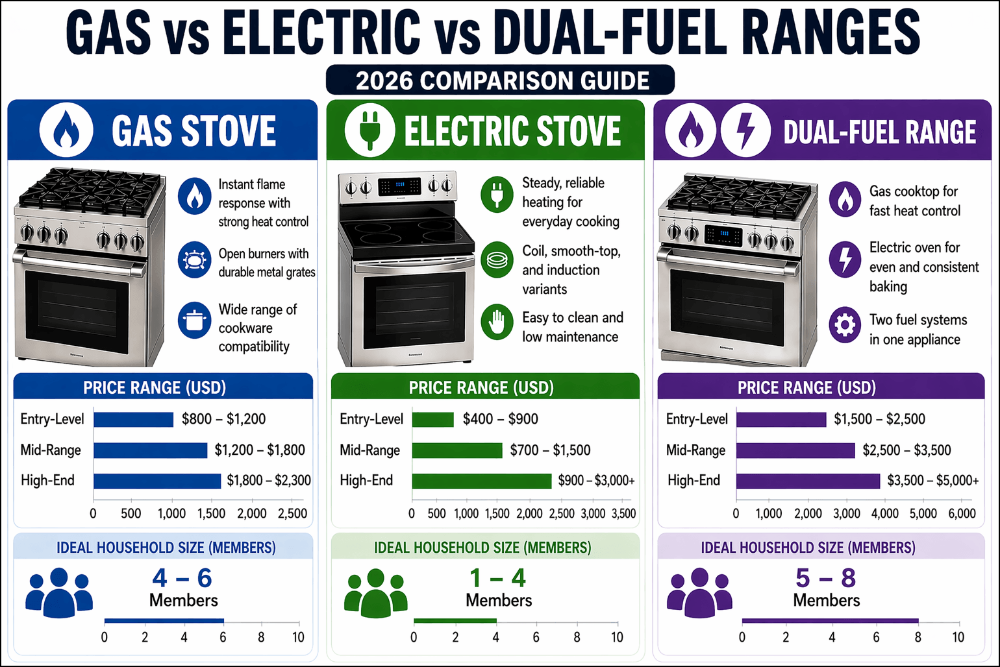
Gas stove: Gas stoves offer instant flame response with strong heat control. They use open burners with durable metal grates that support a wide range of cookware. In 2026, pricing typically ranges from $800–$2,300, depending on build quality and features. Commonly available from brands like GE, Whirlpool, Frigidaire, Samsung, LG, and Bosch.
-
Targeted users: Best suited for home cooks who frequently use high-heat cooking like frying, grilling, and sautéing. Ideal for 4–6 member households, especially medium to large kitchens with heavy cooking needs. Also suitable for users who prefer direct flame control and hands-on cooking precision.
Electric stoves: Electric stoves provide steady, reliable heating for everyday cooking. They come in coil, smooth-top, and induction variants from brands like GE, Whirlpool, Frigidaire, Samsung, LG, and Maytag. Pricing is tiered: entry-level ($400–$900), mid-range ($700–$1,500), and high-end ($900–$3,000+), depending on features and design.
-
Targeted users: ideal for first-time homebuyers, small families, and budget homeowners. Best suited for 1–4 member households with compact kitchens and everyday light-to-moderate cooking needs, especially modern households looking for simple, low-maintenance cooking solutions.
Dual-fuel range: A dual-fuel range combines a gas cooktop for fast heat control with an electric oven for even cooking. It uses two fuel systems in one appliance for added flexibility and precision. Common brands include Wolf, Bosch, and GE, with prices typically ranging from $1,500–$5,000+, depending on features.
-
Targeted users: Best suited for serious home cooks, large families, and premium homeowners seeking professional-level performance. Ideal for 5–8 member households, with frequent, high-volume cooking and daily usage.
Electric stoves are a popular choice for modern kitchens due to their convenience, safety, and consistent cooking performance.
Oven Types and Price Breakdown for Homeowners
Choosing the right oven depends on cooking style, household size, and budget. Below are the main oven types commonly used in modern homes, along with their features, pricing, and ideal user profiles.
Electric oven: Electric ovens use heating elements to provide consistent, even heat for baking, roasting, and everyday cooking. They are the most common oven type in modern homes, available in freestanding and built-in designs. Pricing typically ranges from $500–$3,000+, depending on features. Common brands include Whirlpool, GE, LG, Samsung, and Frigidaire.
-
Targeted users: Best suited for homeowners, first-time buyers, and apartment users. Ideal for 1–5 member households, especially those with moderate usage frequency (3–6 times per week).
Gas oven: Gas ovens use natural gas or propane for direct flame heat, offering fast response and strong temperature control. They are often paired with gas cooktops in homes with existing gas lines. Pricing typically ranges from $700–$2,500, depending on features. Common brands include GE, Whirlpool, Frigidaire, Samsung, LG, and Bosch.
-
Targeted users: Best suited for homeowners who prefer responsive heat control and traditional cooking. Ideal for 2–6 member households, with moderate to high usage (4–7 times per week).
Wall oven (built-in system): Wall ovens are built into kitchen cabinetry at eye or waist level, offering a modern, ergonomic setup. They are a built-in unit commonly used in upgraded kitchens. Pricing typically ranges from $1,200–$3,500+, depending on size and features. Common brands include Bosch, Miele, and GE.
-
Targeted users: Best suited for modern or premium kitchen setups. Ideal for 3–6 member households, especially those with frequent usage frequency (5–7 times per week).
Explore installation costs of wall ovens: key factors & price breakdown.
Cost Factors to Consider When Buying a Stove or Oven
Buying a stove or oven involves more than just the upfront price, as installation and long-term running costs also play an important role. Understanding these factors helps homeowners make a more informed and budget-friendly choice.
Installation Costs:
The initial purchase price is only part of the total cost. Installation can significantly increase what you actually pay, especially depending on the type of appliance and your kitchen setup.
-
Gas stoves and ovens may require a gas line installation or extension, which can cost $120–$500+, depending on complexity..
-
Electric stoves and ovens often need a 240V outlet, and upgrading electrical wiring can cost around $100–$400.
-
Wall ovens may require cabinet modifications, increasing installation costs by $300–$1,000+.
Overall, installation costs vary based on your home’s existing setup, but they can add a noticeable amount to the total investment.
Operating Costs:
Beyond the upfront cost, running a stove or oven regularly adds to your monthly expenses.
-
Electric stoves and ovens generally cost more to run in areas with high electricity rates but offer stable and efficient heating.
-
Gas stoves and ovens are usually cheaper to operate monthly, but may vary based on local gas prices.
-
On average, households spend around $20–$60 per month, depending on usage frequency and appliance efficiency
Energy-efficient models like induction cooktops can reduce electricity usage, while modern ovens with smart features can optimize energy consumption over time.
Stove vs Oven: Which Costs More Overall?
The total cost of stoves and ovens depends not only on the purchase price but also on installation and long-term usage expenses. In most cases, ovens especially built-in and advanced models, tend to cost more overall than standard stovetop units.
Stoves generally have a lower upfront cost and simpler installation, making them more budget-friendly for most households. Ovens, particularly wall, double, and steam models, require higher investment due to installation complexity and added features.
From an energy perspective, ovens also consume significantly more power during use often up to 2–3 times more energy per hour than a single stove burner, since ovens typically use 2,000–5,000 watts compared to 1,000–2,500 watts for cooktop burner.
Summary: How to Get the Best Value Based on Your Budget
Getting the best value in 2026 is less about choosing the cheapest appliance and more about matching the stove or oven to how often and how intensely you cook. A well-balanced choice considers kitchen layout, daily cooking load, and how much flexibility you actually need in preparation style.
Key Takeaways
-
Small households benefit more from compact or hybrid electric setups than from full high-capacity ranges.
-
Frequent multi-dish cooking makes separation (cooktop + oven setups) more efficient than single-unit appliances.
-
Kitchen space and ventilation often determine appliance choice more than price alone.
-
Long-term usability depends heavily on how well the appliance matches cooking frequency, not just features.
-
Energy efficiency gains are most noticeable in consistent daily-use kitchens rather than occasional cooking setups.
-
Choosing based on workflow (quick meals vs. slow cooking vs. batch cooking) leads to better long-term satisfaction than brand or style alone.
Is your stove or oven slowing down your everyday cooking routine? Explore high-quality home and kitchen appliance parts at HnK Parts. We offer a wide selection of replacement parts for stoves and ovens. From burners and heating elements to knobs, switches, and internal components, we provide parts from trusted brands like GE, Whirlpool, Samsung, LG, Bosch, and KitchenAid, delivered straight to your home.
References:
https://www.energy.gov/articles/making-switch-induction-stoves-or-cooktops
https://www.bogleheads.org/forum/viewtopic.php?t=402865
https://www.consumerreports.org/appliances/ranges/how-much-should-you-spend-on-a-range-a7853080202/
FAQs
Do stove and oven costs vary by location in the U.S.?
Yes, prices can vary depending on where you live. Urban areas usually have higher installation and labor costs, while rural areas may have lower service costs but fewer brand options available.
Are gas stoves cheaper in states with natural gas access?
In regions where natural gas is widely available, gas stoves are often cheaper to operate. In areas without gas lines, installation costs can increase significantly, making electric options more practical.
Is it cheaper to buy a stove and oven together or separately?
Buying a combined range (stove + oven) is usually more affordable. Separate units like cooktops and wall ovens cost more due to higher installation and design expenses.
How long do stoves and ovens usually last?
Most stoves and ovens last around 10–15 years with proper maintenance. High-end models and well-maintained appliances can last even longer.
| Disclaimer: This content is for educational purposes only. Readers are encouraged to verify details according to their specific home requirements. |
-
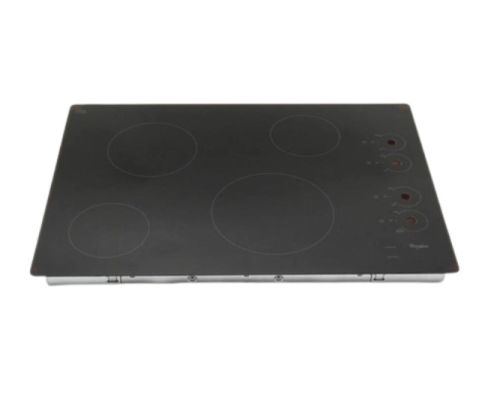 Whirlpool W10365154 Cooktop Glass Main TopSpecial Price $460.44 Regular Price $513.95
 -
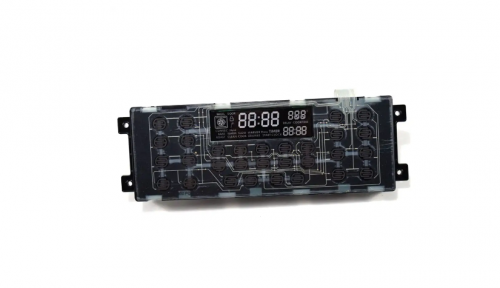 Frigidaire 316650001 Range Oven Electronic Control BoardSpecial Price $273.62 Regular Price $313.95
 -
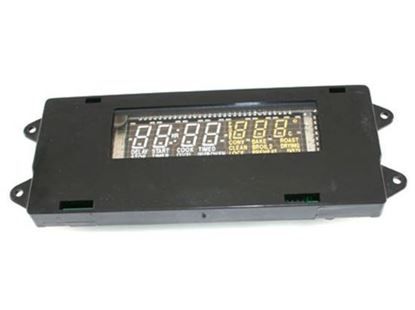 Whirlpool WP71001799 Oven Electronic Clock Control BoardSpecial Price $280.48 Regular Price $304.95
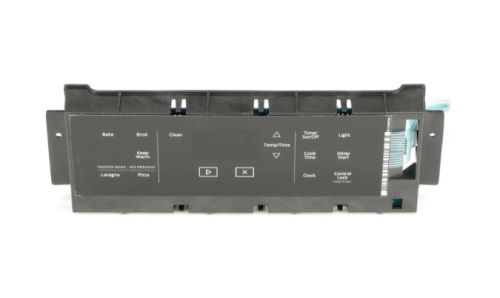
 -
 Whirlpool W11159621 Range Oven Control Board W/TouchpadSpecial Price $265.80 Regular Price $285.95