

Antimicrobial Refrigerator Drawers: How They Work, Benefits & Food Safety
Antimicrobial refrigerator drawers are crisper and storage drawers made with, or coated in, an antimicrobial agent that helps limit the growth of certain bacteria, mold, and mildew on the drawer surface. They are commonly used for fruits, vegetables, and other fresh foods, which can introduce moisture, spills, and residue into the storage area.
So how do antimicrobial refrigerator drawers work? The treatment acts on the drawer surface, not on the food itself, and it does not replace regular cleaning or safe food handling. Understanding how the feature works, what benefits it offers, and where its limitations lie helps homeowners make informed decisions about everyday food storage and refrigerator hygiene.
What Are Antimicrobial Refrigerator Drawers and How Do They Work?
Antimicrobial refrigerator drawers are specialized refrigerator compartments designed to help reduce the growth of bacteria, mold, and other microorganisms on interior surfaces. They typically use antimicrobial materials or coatings, often incorporating compounds such as silver ions, into drawer surfaces, handles, or liners. These materials interfere with microbial growth when microorganisms come into contact with treated surfaces.
Unlike refrigeration itself, antimicrobial technology does not eliminate microorganisms or make food sterile. Instead, it provides an additional layer of hygiene by helping keep frequently touched or moisture-prone surfaces cleaner for longer. Antimicrobial refrigerator drawers are particularly useful for storing fresh produce, meats, dairy products, and other perishable foods.
How Antimicrobial Technology Addresses Odor and Mold in Refrigerator Drawers
Antimicrobial technology can help limit microorganisms associated with odor and mold on refrigerator drawer surfaces. It does not remove spoiled food, moisture, or existing contamination, so regular cleaning remains necessary. The main ways it helps are:
- Limits Microbial Growth: The treatment can inhibit certain microorganisms on the treated drawer surface.
- Controls Odor Sources: Reducing microbial activity may help limit some microorganisms associated with unpleasant odors.
- Restricts Surface Mold: Where the treatment is effective against relevant fungi, it may help limit fungal growth on the drawer material.
- Works at the Surface: The antimicrobial effect is focused on the treated drawer rather than the refrigerator air or stored food.
- Supports Moisture-Prone Storage: The treatment can provide additional surface-level control in drawers where condensation and produce moisture occur.
- Depends on the Material: Performance varies according to the antimicrobial agent, drawer material, environmental conditions, and manufacturer's specifications.
Best Practices for Cleaning Antimicrobial Refrigerator Drawers
- Remove Food and Residue: Take out stored food and wipe away spills or buildup.
- Use the Recommended Cleaner: Follow the refrigerator manufacturer's cleaning instructions to protect the treated surface.
- Avoid Abrasives: Do not use harsh or abrasive products unless specifically approved.
- Dry Thoroughly: Dry the drawer completely before returning food to limit excess moisture.
- Clean Regularly: Continue routine cleaning because antimicrobial functionality does not replace physical cleaning.
Note: Do not use abrasive cleaners, strong chemicals, or disinfectants unless the refrigerator manufacturer specifically permits them. An antimicrobial drawer still requires regular cleaning because the treatment does not remove food residue or visible contamination.
Explore Samsung AI fridges: bringing vision AI and smart assistance to modern kitchens for smarter food management, personalized convenience, and connected kitchen experiences.
The Practical Benefits of Antimicrobial Refrigerator Drawers
Antimicrobial refrigerator drawers provide an added layer of protection in an environment where moisture, food residue, and frequent handling can encourage microbial growth. While they do not replace regular cleaning or proper food storage, their antimicrobial surfaces can help maintain a cleaner and more hygienic refrigerator interior. Here are some of the key practical benefits:
Helps Reduce Microbial Growth: Antimicrobial surfaces are designed to inhibit the growth of bacteria, mold, and other microorganisms on treated areas.
Supports Better Food Hygiene: By helping keep drawer surfaces cleaner, antimicrobial technology can contribute to a more hygienic environment for storing fresh foods and perishables.
Reduces Odor-Causing Microorganisms: Some microorganisms contribute to unpleasant refrigerator odors. Limiting their growth may help maintain a fresher-smelling storage compartment.
Useful in High-Moisture Areas: Refrigerator drawers often collect condensation and moisture. Antimicrobial materials can provide additional protection in these conditions.
Helps Keep Frequently Used Drawers Cleaner: Drawers that are opened and handled regularly can benefit from surfaces designed to resist microbial growth between routine cleanings.
Provides an Additional Hygiene Layer: Antimicrobial technology complements, rather than replaces, proper cleaning, temperature control, and safe food-handling practices.
An antimicrobial drawer treatment protects the drawer material. It does not make the refrigerator or the stored food inherently safe from contamination.
Discover to find out Samsung's new AI home screens for smart fridges and laundry.
Factors to Consider Before Purchasing Antimicrobial Refrigerator Drawers?
Before purchasing antimicrobial refrigerator drawers, consider their claims, materials, testing, intended use, and compatibility. Here are the key evaluation points:
- Antimicrobial Claim: Check what the treatment is designed to do and whether it protects the drawer surface or targets specific microorganisms.
- Target Microorganisms: Review which microorganisms were tested. Results for one microorganism do not apply to all bacteria, mold, or fungi.
- Food-Contact Use: Confirm whether the drawer is designed for direct food contact and meets applicable requirements.
- Material Construction: Check whether the antimicrobial agent is incorporated into the material or applied as a surface treatment.
- Testing Conditions: Review temperature, moisture, contact time, surface condition, and tested microorganisms.
- Cleaning Compatibility: Check which cleaning products and methods are recommended for the treated surface.
- Model Compatibility: For replacement drawers, verify the exact refrigerator model or compatible part number.
- Claim Limitations: Ensure the manufacturer clearly states what the treatment cannot accomplish. Antimicrobial treatment does not mean food sterilization or universal microorganism protection.
Explore how smart refrigerators use multi-air flow for superior cooling.
Summary: Balancing Hygiene and Food Safety With Antimicrobial Refrigerator Drawers
Antimicrobial refrigerator drawers provide a material-based approach to managing microorganisms on treated surfaces while supporting organized refrigerated storage. Their role is to complement—not replace—essential food-safety practices such as proper temperature control, regular cleaning, and safe food handling. Understanding their capabilities and limitations helps consumers evaluate antimicrobial features more accurately.
Key Takeaways
- Surface-Focused Technology: Antimicrobial refrigerator drawers are designed to affect microorganisms on treated drawer materials rather than sterilize stored food.
- Supports Refrigerator Hygiene: The technology can provide additional surface-level control in areas exposed to moisture, food residue, and frequent handling.
- Not a Replacement for Cleaning: Regular removal of spills, spoiled food, and residues remains necessary because antimicrobial treatments do not eliminate physical contamination.
- Performance Depends on Design: The effectiveness of an antimicrobial drawer depends on the specific material, antimicrobial agent, testing conditions, and manufacturer claims.
- Food Safety Requires Multiple Practices: Maintaining refrigerator temperatures at 40°F (4.4°C) or below, separating foods, and following proper storage methods remain essential.
- Evaluation Requires Context: Antimicrobial features should be assessed based on their intended purpose, regulatory claims, food-contact suitability, and compatibility with the refrigerator system.
Don't let a faulty refrigerator part disrupt your daily routine. Get the right fix with home appliance repair parts from HnK Parts. Find refrigerator parts such as water inlet valves, door gaskets, evaporator fan motors, temperature sensors, defrost heaters, control boards, and more for trusted brands like LG, Samsung, Whirlpool, GE, and Asko. Shop HnK Parts today for the right replacement, delivered fast to your doorstep.
References:
https://www.epa.gov/pesticide-registration/prn-2000-1-applicability-treated-articles-exemption-antimicrobial-pesticides
https://sam.gov/workspace/contract/opp/95ca04e4400f41e59a23b20cd84fdef8/view
https://www.fsis.usda.gov/food-safety/safe-food-handling-and-preparation/food-safety-basics/refrigeration
FAQs
Are Antimicrobial Refrigerator Drawers Worth Considering for Produce Storage?
They can be worth considering for households that frequently store fresh produce and want an added surface-level microbial-control feature in a dedicated refrigerator compartment. The value depends on the specific treatment and its stated purpose.
Can Antimicrobial Refrigerator Drawers Help Keep Produce Fresher for Longer?
An antimicrobial drawer should not automatically be considered a produce-preservation technology. Its primary function is associated with the treated surface, while produce freshness depends on factors such as food quality, storage conditions, moisture, and temperature.
Are Antimicrobial Refrigerator Drawers Safe for Storing Fruits and Vegetables?
Safety depends on the drawer's intended use and the manufacturer's specifications. Buyers should verify whether the material is designed for the intended food-storage environment and review applicable food-contact information.
What Happens if an Antimicrobial Refrigerator Drawer Gets Scratched?
A scratch can change the condition of the treated surface, depending on how the antimicrobial feature is incorporated into the drawer. Follow the manufacturer's care instructions and avoid abrasive cleaning methods unless specifically permitted.
Can an Existing Refrigerator Drawer Be Upgraded to an Antimicrobial One?
This depends on the refrigerator model and available compatible components. A replacement drawer must match the appliance's model and physical specifications; an antimicrobial feature cannot simply be assumed to transfer to an existing component.
| Disclaimer: This article is provided for general informational purposes only. Antimicrobial performance may vary depending on the material, treatment, and testing conditions. The presence of an antimicrobial feature does not mean that a refrigerator drawer or its contents are free from microorganisms. |
-
 Frigidaire 241860803 Refrigerator Ice Container AssemblySpecial Price $91.89 Regular Price $108.95
-
 Frigidaire 240383801 Refrigerator Door Bin GallonSpecial Price $37.86 Regular Price $41.40
-
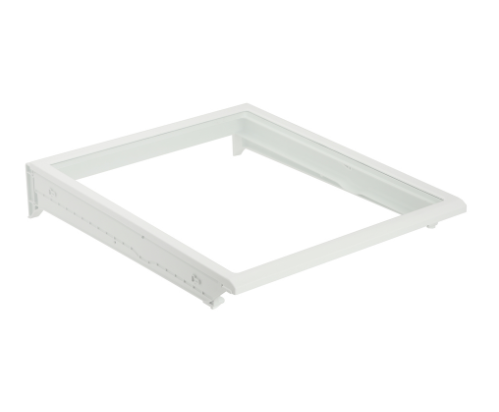 Frigidaire 5304508067 Refrigerator Crisper Drawer Cover AssemblySpecial Price $81.75 Regular Price $98.95
-
 Whirlpool W11162443 Refrigerator Crisper DrawerSpecial Price $91.40 Regular Price $116.06
-
 Bosch 12028493 Refrigerator Ice MakerSpecial Price $238.14 Regular Price $367.12