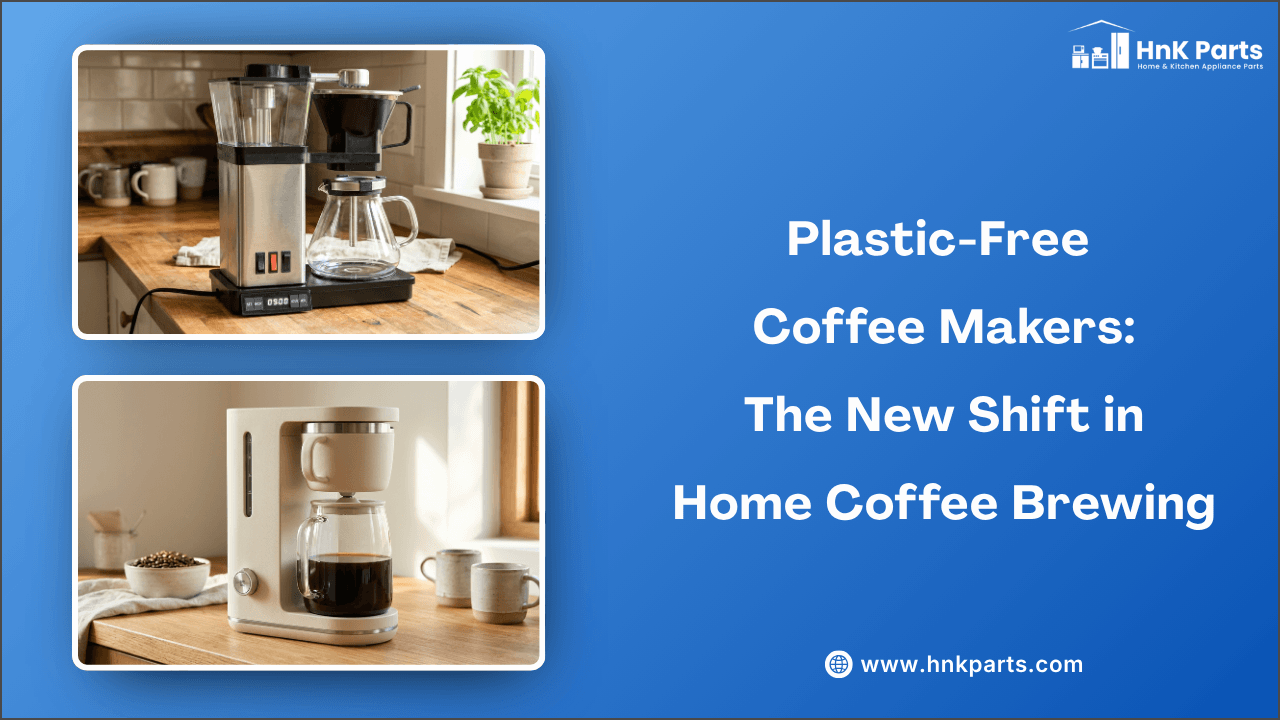
Plastic-Free Coffee Makers: The New Shift in Home Coffee Brewing
For decades, the standard home drip coffee machine relied heavily on plastic reservoirs, polymer spray heads, and synthetic filter baskets. However, a major shift is occurring across modern home kitchens. Coffee enthusiasts and health-conscious consumers alike are moving away from traditional plastic-laden appliances in favor of plastic-free coffee makers.
Driven by concerns over microplastic shedding, chemical leaching at high brewing temperatures, and a desire for cleaner coffee flavor profiles, this movement is transforming the home coffee industry. From all-glass pour-overs and stainless steel French presses to modern, zero-plastic automatic drip machines, non-reactive materials are redefining the daily brewing ritual.
Why Plastic-Free Coffee Makers Are Gaining Attention in Modern Home Kitchens
Plastic-free coffee makers are gaining attention as home coffee routines increasingly emphasize material safety, durability, and reduced plastic use. Their design choices appeal to consumers seeking alternatives to conventional brewing equipment. The following factors explain this growing interest:
-
Microplastic Reduction and Material Safety: Consumers are increasingly interested in limiting plastic contact with hot water during brewing. Coffee makers featuring glass, stainless steel, or ceramic components appeal to those seeking greater transparency about materials.
-
Environmental Sustainability and Waste Reduction: Reusable coffee makers can reduce reliance on disposable brewing products and plastic components. Their overall environmental impact depends on material sourcing, manufacturing, product lifespan, and recycling options.
-
Long-Term Appliance Longevity: Internal plastic tubes and water lines may deteriorate or crack with repeated use. Glass and stainless steel components can offer durability when properly designed, cleaned, and maintained.
-
Coffee Flavor and Brewing Quality: Some coffee enthusiasts prefer brewing equipment with minimal plastic contact around hot water pathways. However, the final flavor also depends on bean freshness, grind size, water quality, and brewing temperature.
-
Modern Kitchen Aesthetics and Consumer Preferences: Glass carafes, stainless steel finishes, and ceramic elements complement contemporary kitchen designs. These materials appeal to consumers looking for brewing equipment that combines practical functionality with a clean, modern appearance.
How Plastic-Free Materials Influence Coffee Flavor, Heat, and Brewing Performance
The materials in a coffee maker influence heat retention, brewing consistency, and flavor quality. Glass, stainless steel, ceramic, and copper each offer distinct properties. Here are the key considerations:
-
Stainless Steel: Food-grade stainless steel, particularly 304 and 316 grades, offers durability and resistance to corrosion. Double-walled designs also help maintain brewing temperatures, supporting consistent extraction.
-
Borosilicate Glass: This material provides a non-porous brewing surface that does not readily absorb coffee oils or odors. Its thermal-shock resistance makes it suitable for handling temperature changes, although sudden extremes should still be avoided.
-
Ceramic: Ceramic brewing vessels retain heat effectively once preheated, helping maintain stable temperatures during slower brewing methods. Their non-reactive glazed surfaces can also help preserve coffee’s natural taste.
-
Copper: Copper conducts heat efficiently, making it useful in equipment designed for precise temperature control. However, copper components that contact coffee or water should have suitable food-safe linings where required.
-
Thermal Stability and Heat Management: Brewing temperature affects extraction, flavor, and consistency. Preheating the brewing equipment and maintaining a stable water temperature can help prevent uneven extraction and unwanted sour or bitter notes.
-
Ideal Brewing Temperature: Many specialty coffee guidelines suggest brewing water between roughly 195°F and 205°F (90°C to 96°C). Water that is too cool can under-extract and taste sour, while water that is too hot can over-extract and taste bitter. Materials that hold heat well make it easier to stay within this range.
-
Flavor Neutrality and Cleanliness: Glass and properly maintained stainless steel generally resist lingering odors and coffee residue. Regular cleaning helps preserve the aroma and taste of each brew, regardless of the material selected.
Comparing Plastic-Free Coffee Makers With Traditional Home Coffee Makers
Choosing between plastic-free and traditional coffee makers involves considering materials, brewing convenience, durability, and maintenance. Both options can produce enjoyable coffee, but their designs differ in several important ways. The following factors highlight the differences:
|
Factor |
Plastic-Free Coffee Makers |
Traditional Coffee Makers |
|
Water-Contact Materials |
Stainless steel, glass, or ceramic |
Often include plastic reservoirs, baskets, and tubing |
|
Durability |
Can offer long service life with proper care |
Varies by construction; plastic components may crack or warp |
|
Flavor Neutrality |
Non-porous surfaces resist retaining coffee odors |
Some plastic components may retain odors over time |
|
Heat Retention |
Steel and ceramic designs can retain heat effectively |
Depends on the carafe, materials, and heating system |
|
Initial Cost |
Often higher for premium materials |
Wide price range, with many budget-friendly options |
|
Weight |
Often heavier, especially with steel or ceramic |
Often lighter and easier to move |
|
Repairability |
Depends on design; some models have replaceable parts |
Depends on design; some models may be difficult to repair |
|
Cleaning |
Smooth surfaces are generally easy to clean; descaling may be needed |
Often easy to rinse, though residue and odors may persist in some components |
While the table compares plastic-free and traditional coffee makers in terms of materials, durability, heat retention, and cost, brewing method is another important consideration. Plastic-free coffee makers are available in manual, stovetop, and electric designs, each offering different levels of control, convenience, and maintenance. The following types explain how each brewing method works and what to consider before choosing one.
A. Manual Pour-Over Brewers (Glass & Ceramic)
Manual pour-over brewers allow coffee enthusiasts to control water flow, brewing time, and extraction. Their simple designs offer a hands-on brewing experience with minimal plastic contact.
-
Pros: Greater control over brewing variables, easy cleaning, affordable options, and minimal plastic contact.
-
Cons: Requires manual effort and a separate kettle for heating water.
B. French Press Brewers (Glass & Stainless Steel)
French press brewers steep ground coffee directly in hot water before separating the grounds with a plunger. They produce rich, full-bodied coffee without requiring disposable paper filters.
-
Pros: Rich coffee flavor, no paper filters required, and excellent durability with stainless steel models.
-
Cons: Requires manual water heating and may leave fine sediment in the cup.
C. Stovetop Moka Pots and Percolators (Stainless Steel & Aluminum)
Stovetop brewers prepare concentrated coffee by using heat to move hot water through ground coffee. They offer a practical option for brewing without electricity, although careful heat management is essential.
-
Pros: Produces concentrated, espresso-like coffee, requires no electricity, and can provide long-lasting performance.
-
Cons: Requires stove monitoring and may produce burnt or bitter coffee if overheated.
Advantages of Choosing Plastic-Free Coffee Makers for Home Brewing
Plastic-free coffee makers offer an alternative for home brewers who value material transparency, durability, and simple maintenance. From everyday convenience to long-term usability, these designs provide several advantages. Below are the practical advantages for everyday home brewing:
-
Simpler Morning Routines: Manual glass pour-over brewers and French presses have straightforward designs with fewer electronic controls. This makes them convenient for preparing a fresh cup without navigating complicated settings or programming features.
-
Easier Storage in Small Kitchens: Compact ceramic drippers, glass brewers, and stovetop Moka pots can fit into cupboards without requiring the counter space needed by larger electric machines. Their size makes them useful for apartments and kitchens with limited storage.
-
Flexibility for Different Serving Sizes: Pour-over brewers can prepare a single cup, while French presses are available in sizes suited to multiple servings. Home brewers can select equipment that matches their household's daily coffee consumption.
-
Fewer Electronic Components to Maintain: Manual brewing equipment generally does not require circuit boards, digital displays, or electrical heating elements. This simpler construction can reduce the number of electrical components that may need servicing.
-
Easier Visual Cleaning Checks: Transparent glass carafes allow you to see leftover coffee oils, grounds, and mineral deposits. This makes it easier to identify when cleaning or descaling is needed to maintain brewing quality.
-
More Personal Control Over Coffee Preparation: Manual plastic-free brewers let home users adjust water temperature, pouring speed, steeping time, and coffee quantity. These adjustments make it easier to experiment with different beans and develop a preferred brewing style
Summary: Are Plastic-Free Coffee Makers Worth the Switch for Home Brewers?
Plastic-free coffee makers offer home brewers an alternative that reduces contact between hot water and plastic components, depending on the machine’s design. Their value depends on brewing preferences, material durability, cleaning requirements, and the availability of replacement parts. Comparing the water pathway, internal materials, and long-term maintenance needs helps determine whether switching to a plastic-free model makes sense for a home kitchen.
Key Takeaways
-
Check whether water passes through plastic tubing, reservoirs, or internal fittings, not just whether the carafe and exterior are plastic-free.
-
Stainless steel, glass, and ceramic offer alternatives to plastic for specific coffee maker components, depending on the model.
-
Brewing temperature, water quality, grind size, and extraction time influence coffee flavor more directly than the absence of plastic alone.
-
Removable, accessible components make it easier to remove coffee oils and mineral buildup during regular cleaning.
-
Replaceable filters, seals, and other serviceable components can influence how long a coffee maker remains practical to use.
-
Compare the materials used throughout the brewing pathway, the machine’s functionality, and its maintenance requirements before choosing a plastic-free coffee maker.
Planning a kitchen appliance repair or upgrade? Get premium-quality kitchen appliance replacement parts from HnK Parts. Find essential replacement parts for ovens, dishwahshers, stoves, ranges, washers, and dryers. Shop compatible parts for top brands like LG, Samsung, Whirlpool, Bosch, GE, and Frigidaire. Order now for convenient repairs and fast shipping.
References:
https://plasticdetox.org/articles/how-to-enjoy-coffee-without-plastic.html
https://www.des.nh.gov/news-and-media/blog/august-2026-sustainable-coffee-game
https://pmc.ncbi.nlm.nih.gov/articles/PMC7280196/
https://www.cityofwoodland.gov/677/Pharmaceutical-Drug-Waste#!rc-cpage=468821
https://ceh.org/yourhealth/plastic-free-coffee-makers/
FAQs
1. Are plastic-free coffee makers really 100% free of plastic?
Rarely. Most still use small plastic or silicone parts such as seals, gaskets, or internal wiring. The term usually means plastic is eliminated from the parts that contact hot water and brewed coffee. Always check the manufacturer’s material specifications.
2. Do plastic-free coffee makers make better-tasting coffee?
They can taste cleaner because glass, ceramic, and stainless steel do not hold onto odors the way worn plastic can. However, bean quality, grind, water, and brew ratio affect flavor far more than the machine’s material.
3. Are stainless steel coffee makers safe?
Food-grade stainless steel is widely used in cookware and appliances and is considered stable for normal brewing. Look for models that state their steel grade and follow the manufacturer’s cleaning and descaling instructions.
4. Are plastic-free coffee makers more expensive?
Usually, yes, at least upfront. Premium materials and sturdier construction raise the price. Over time, longer lifespan and replaceable parts can reduce the total cost of ownership.
5. How do I clean and maintain a plastic-free coffee maker?
Rinse the carafe and basket after each use, wash removable parts with mild soap, and descale the machine regularly according to the manufacturer’s guidance. Using filtered water reduces mineral buildup in metal components.
| Disclaimer: This article is intended for general educational and informational purposes only. The materials, features, and brewing characteristics may vary by model. |
-
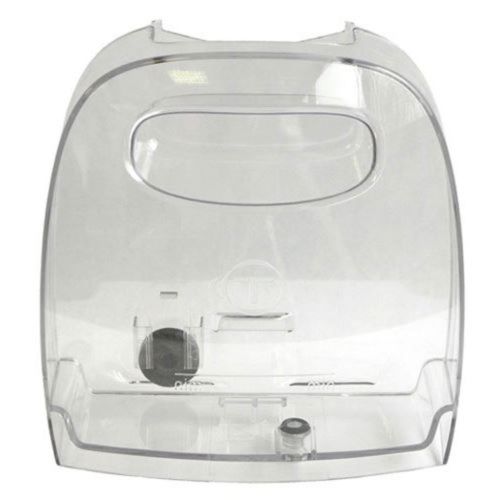 Bosch 00653069 Coffee Maker Water TankSpecial Price $33.92 Regular Price $35.01
 -
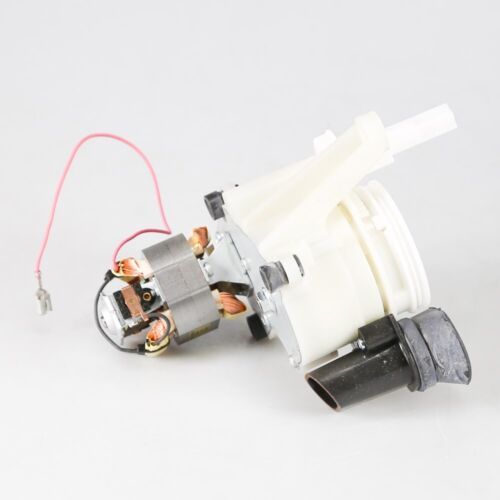 Whirlpool W10661796 Coffee Machine GrinderSpecial Price $196.27 Regular Price $217.95
 -
 Bosch 00611150 Coffee Machine Drip Tray Cup StandSpecial Price $69.76 Regular Price $73.12
 -
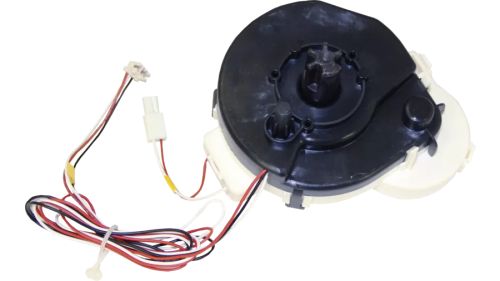 Bosch 12014386 Coffee Machine DriveSpecial Price $68.81 Regular Price $82.99