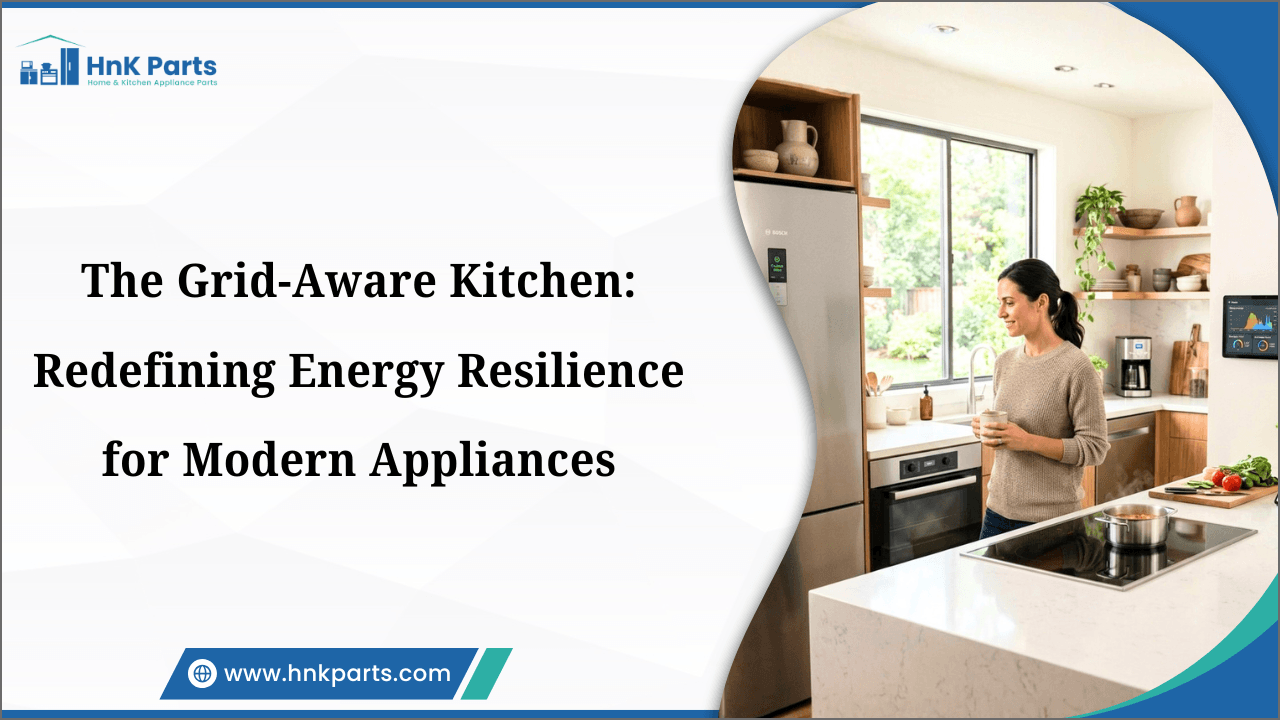
The Grid-Aware Kitchen: Redefining Energy Resilience for Modern Appliances
Grid-Aware Kitchen is transforming how modern homes interact with energy systems, turning everyday cooking spaces into intelligent, responsive environments. As electricity demand rises and grids face increasing pressure, these kitchens dynamically adjust appliance usage, optimize consumption, and respond to real-time grid signals, reducing household energy use by approximately 10%–25%, depending on automation level and user behavior.
Integrating smart appliances, sensors, and automation, it enables households to lower energy costs while maintaining performance and comfort. During peak demand or outages, the system prioritizes essential devices intelligently, improving resilience, efficiency, and sustainability in daily living while supporting a more stable and balanced power grid.
What Is a Grid-Aware Kitchen?
A grid-aware kitchen is a connected kitchen ecosystem where appliances automatically adjust energy usage based on electricity demand, utility pricing, renewable energy availability, and household behavior.
Unlike conventional appliances that run continuously regardless of grid conditions, grid-aware appliances adjust their operation based on grid conditions to improve efficiency.
- Adjust power consumption during peak demand periods
- Operate when renewable energy availability is highest
- Communicate with utility companies and smart meters
- Integrate with home battery storage systems
- Automatically reduce energy waste
- Support backup power strategies during outages
Essentially, these appliances become active participants in the energy ecosystem rather than passive consumers.
For example, a smart dishwasher may delay its cleaning cycle until electricity rates are lower at night, while a connected refrigerator may temporarily reduce compressor activity during grid stress events without affecting food safety.
This intelligent coordination helps homeowners save money, improve energy efficiency, and enhance household resilience during power instability.
How Grid Ware Kitchens Improve More Energy-Resilient Homes
Grid-aware kitchens boost energy resilience by shifting appliance use away from peak electricity hours, helping cut energy costs, ease pressure on the grid, and reduce the risk of outages during high-demand periods.
Since large kitchen appliances consume a significant share of household electricity, grid-aware systems smartly time their operation to match periods when renewable energy is more available and scale back during peak demand, improving efficiency and supporting a more stable grid.
Several factors are increasing the need for energy-resilient kitchens:
- Increasing Power Outages: Extreme weather events and grid stress are making backup readiness and reliable kitchen operation more important.
- Rising Energy Costs: Higher electricity prices encourage smarter energy use and off-peak appliance scheduling.
- Growth of Renewable Energy: Solar power and battery storage help align appliance operation with cleaner energy sources.
- Electrification of Homes: As homes transition away from gas systems, kitchen electricity demand continues to increase.
- Smart Home Integration: Connected technologies enable greater automation, efficiency, and household energy management.
These factors make adaptive energy management essential for modern households.
The Role of Renewable Energy in the Grid-Aware Kitchen
Renewable energy integration is a core part of the grid-aware kitchen, helping appliances work in sync with clean energy sources like solar panels and home battery systems. Here are the main renewable energy systems used in grid-aware kitchens:
Solar-Powered Kitchen Ecosystems: Homes equipped with rooftop solar can coordinate kitchen operations around sunlight availability. Examples include:
- Running ovens during midday solar peaks
- Charging appliance batteries from excess solar generation
- Delaying dishwasher cycles until renewable energy production increases
This reduces dependence on fossil-fuel-generated electricity.
Home Battery Storage Integration: Battery systems, such as lithium-ion home storage units, enable kitchens to maintain functionality during power outages. Critical appliances like:
- Refrigerators
- Freezers
- Water purification systems
- Smart cooking devices
Vehicle-to-Home (V2H) Energy Support: Electric vehicles are increasingly serving as backup power sources for homes.
In the future, kitchens may automatically draw electricity from EV batteries during emergencies, ensuring food safety and basic cooking capabilities.
Core Technologies Behind Grid-Aware Kitchens
Grid-aware kitchens balance energy use by coordinating high-demand appliances with smart power grids, microgrids, and decentralized hydrogen systems, helping ensure efficient and stable energy consumption.
1. Smart Sensors and IoT Connectivity
Modern appliances now come with built-in sensors and Internet of Things (IoT) connectivity that track key parameters such as:
- Energy usage
- Temperature
- Usage patterns
- Grid signals
- Occupancy behavior
- Device health
These connected systems can communicate in real time with utility providers, smart meters, and home energy management platforms to enable smarter energy decisions.
2. Artificial Intelligence and Machine Learning
AI algorithms analyze household behavior and energy patterns to optimize appliance operations.
For example:
- Refrigerators can predict compressor cycles
- Ovens can preheat using renewable energy surplus
- Dishwashers can learn preferred cleaning schedules
- Smart coffee makers can minimize standby energy waste
Machine learning continuously improves efficiency based on user habits and environmental conditions.
3. Smart Grid Communication
Grid-aware appliances use communication standards such as OpenADR, Zigbee, Matter, Wi-Fi, and Bluetooth Low Energy (BLE). These protocols enable appliances to receive and respond to utility and energy management signals related to:
- Peak pricing
- Grid congestion
- Renewable energy availability
- Emergency demand response events
4. Home Energy Management Systems (HEMS)
HEMS platforms act as the central intelligence hub of the connected kitchen. These systems coordinate:
- Solar panels
- Home batteries
- EV chargers
- HVAC systems
- Kitchen appliances
These technologies drastically reduce reliance on fossil fuels, enhance grid resilience, and pave the way for sustainable, carbon-free culinary environments.
Explore dual-purpose kitchen appliances that save time, energy, and money in everyday cooking.
Why Manufacturers Are Investing in Grid-Aware Appliances
Most appliance manufacturers are rapidly expanding investments in smart energy technologies as consumer expectations continue to shift. Today’s buyers increasingly prioritize energy efficiency, smart connectivity, sustainability, backup resilience, and utility cost savings. Governments and utilities are also encouraging adoption through:
- Tax incentives
- Smart appliance rebates
- Demand response programs
- Energy efficiency regulations
Examples of Manufacturers Expanding Grid-Aware Capabilities
As U.S. smart grid infrastructure continues to expand, grid-aware appliance capabilities are increasing.
|
Manufacturer |
Grid-Aware Initiative |
Energy Focus |
|
GE Appliances |
Developed smart-grid enabled appliances and introduced connected home energy platforms such as EcoBalance |
Demand response, home energy coordination |
|
Samsung Electronics America |
Expanded SmartThings Energy and Flex Connect programs that allow connected devices to participate in utility demand response events |
Automated energy optimization and peak-load reduction |
|
LG Electronics USA |
Continued expanding connected appliance ecosystems through AI-enabled smart home platforms |
Appliance efficiency and connected energy experiences |
Summary: Powering Tomorrow’s Homes with Grid-Aware Kitchen Innovation
Grid-aware kitchens are transforming modern U.S. homes by turning everyday appliances into intelligent energy systems that respond to real-time grid conditions. By combining smart automation, connected appliances, renewable energy integration, and energy management technologies, these kitchens help improve efficiency, lower utility costs, strengthen household resilience, and support a more sustainable energy future.
Key Takeaways
- Grid-aware kitchens optimize appliance energy use based on real-time electricity demand and utility signals.
- Smart appliances can automatically shift operations to lower-cost or lower-demand periods to improve efficiency.
- Technologies such as IoT, AI, HEMS, and smart communication protocols enable connected energy management.
- Renewable energy integration with solar, batteries, and EVs supports greater household energy independence.
- Energy resilience improves during outages and peak demand events by prioritizing critical kitchen functions.
- Grid-aware appliance adoption is accelerating in the U.S. as manufacturers, utilities, and homeowners invest in smarter energy solutions.
Tired of facing constant kitchen appliance issues? Shop premium kitchen appliance parts for refrigerators, dishwashers, ovens, washers, and dryers from trusted brands like Samsung, Whirlpool, LG, Bosch, and GE at HnK Parts. Enjoy competitive prices, dependable quality, and fast shipping for quick, hassle-free repairs.
References:
https://www.weforum.org/stories/2025/01/grid-flexibility-for-resilient-equitable-digital-energy-future/
https://www.energy.gov/cmei/buildings/grid-interactive-efficient-buildings
FAQs
How is a grid-aware kitchen different from a smart kitchen?
A smart kitchen focuses on convenience and automation like voice control and app-based appliance management. A grid-aware kitchen goes further by adjusting energy use based on electricity grid conditions such as peak demand and pricing.
Is a grid-aware kitchen only useful for homes with solar panels?
No, it is useful for any home connected to a modern electricity grid, even without solar panels. It helps reduce electricity costs and energy waste through smart scheduling and load shifting.
Can I convert my existing kitchen into a grid-aware kitchen?
Yes, you can start by using smart plugs, smart meters, and a few connected appliances. Over time, you can upgrade to a fully integrated system with a Home Energy Management System(HEMS) for full automation.
| Disclaimer: This content is provided for informational and educational purposes only. The performance and savings of grid-aware kitchen systems may vary based on location, utility conditions, infrastructure, and appliance compatibility. |
-
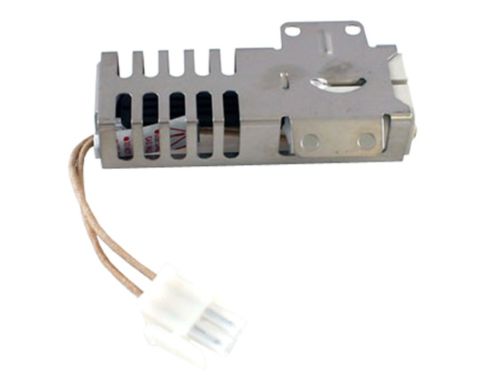 General Electric WB13K21 Range Oven Ignitor 3-3/4" 7" leadsSpecial Price $23.98 Regular Price $67.08
 -
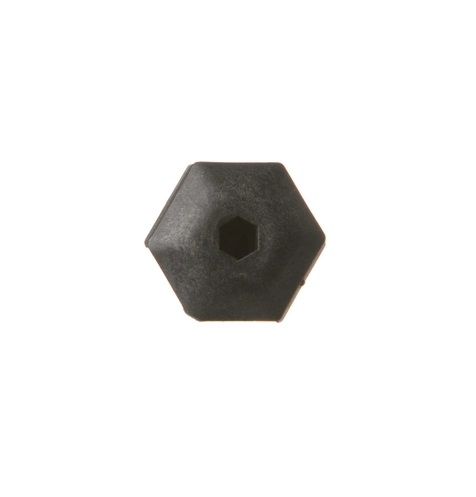 General Electric WB02X10521 Range Leveling LegSpecial Price $13.96 Regular Price $15.45