How to Use an Oven for Baking, Roasting, and Everyday Cooking
An oven is one of the most versatile kitchen appliances used for baking, roasting, and cooking a wide range of meals. It helps prepare food with consistent heat, better control, and improved convenience compared to other cooking methods. However, many home cooks do not use it correctly, which can lead to uneven baking, dry textures, or undercooked food.
This guide explains how to use an oven properly for baking and roasting, including temperature settings, rack positioning, cooking techniques, safety practices, and basic troubleshooting. Whether you are a beginner or looking to improve your cooking skills, these tips will help you achieve better and more consistent results at home.
Understanding the Basics of an Oven and How it Works
Before learning cooking methods, it’s important to understand how an oven works. An oven cooks food using controlled dry heat in a closed chamber. Unlike stovetop cooking, which applies direct heat, ovens distribute heat evenly around the food, making them ideal for baking and roasting. Heat is generated either by:
- Electric heating elements (in electric ovens)
- Gas burners (in gas ovens)
- Convection fans that circulate hot air (in convection ovens)
Common Types of Ovens:
- Wall ovens: Built into kitchen cabinetry for modern homes
- Range ovens: An oven combined with a stove cooktop
- Double ovens: Allow cooking two dishes at different temperatures
- Convection ovens: Circulate hot air for faster cooking
- Toaster ovens: A compact option for small meals or reheating
Each type affects cooking time and texture, so understanding your oven is key.
Why Proper Oven Usage Is Important for Consistent Cooking
Using an oven correctly is not just about following recipes. It directly affects the texture, taste, and appearance of your food. Proper usage ensures that heat is distributed evenly, which helps food cook consistently from the inside out. When used incorrectly, ovens can cause several problems:
- Food may become dry or overcooked on the outside.
- Cakes may sink in the middle due to incorrect temperature.
- Meat may remain raw inside while the surface burns.
On the other hand, when used properly, ovens help achieve:
- Even browning and crisp textures
- Moist and soft baked goods
- Juicy roasted meats and vegetables
This balance is what makes oven cooking so powerful and reliable.
How to Preheat an Oven Correctly for Even Cooking
Preheating is one of the most important steps in oven cooking, yet many people skip it or do it incorrectly. Preheating ensures that your oven reaches the desired temperature before food enters, which leads to consistent cooking results. Steps to preheat your oven:
- Set the required temperature (example: 350°F / 180°C)
- Wait 10–20 minutes, depending on oven type
- Use an oven thermometer for accuracy if needed
- Wait for the oven indicator light or beep signal
Skipping preheating can lead to poor results, especially in baked goods like cookies, brownies, and cakes.
Oven Safety Tips: Safety is very important when using high-heat appliances in the kitchen.
- Always use oven mitts when handling trays
- Keep flammable items away from the oven
- Do not leave the oven unattended for long periods
- Keep children away during cooking
Watch to find out how much it costs to install a wall oven to learn what factors influence the total cost.
How to Use an Oven for Consistent Baking Results
Baking is a precise cooking method that requires careful attention to temperature and timing. Even small mistakes can affect the final outcome. Baked items rely on stable heat for rising and structure formation, especially cakes and bread. Common baked foods include:
- Cakes and cupcakes
- Chocolate chip cookies (classic American dessert)
- Brownies and banana bread
- Muffins and pastries
Each of these requires slightly different heat levels and baking times. Typical baking temperatures:
- Cakes: 325°F–350°F (160°C–180°C)
- Cookies: 350°F–375°F (180°C–190°C)
- Bread: 350°F–425°F (180°C–220°C)
These ranges may vary depending on recipe type and oven model. Baking process explained step by step:
- Preheat the oven fully before placing food inside
- Prepare your batter or dough with accurate measurements
- Place baking trays on the middle rack for even heat
- Set a timer and avoid opening the oven frequently
The oven door maintains a stable baking temperature. However, opening it too often can cause temperature drops, leading to uneven baking or collapsed cakes.
Baking Tips for Better Results:
- Use room-temperature ingredients for smoother mixing
- Always line baking sheets or sheet pans with parchment paper
- Rotate baking sheets halfway for even browning
- Use metal pans for crisp cookies and glass for softer bakes
These simple habits can significantly improve your baking results.
How to Use an Oven for Evenly Roasted Foods
Roasting is a cooking method that uses high heat to create a crispy exterior while keeping the inside moist and flavorful. It is commonly used for meats and vegetables.
Unlike baking, roasting focuses more on browning and flavor development. Foods commonly roasted in ovens:
- Roast turkey (Thanksgiving staple us )
- Roasted chicken and beef
- Sheet-pan vegetables
- Potatoes, carrots, and Brussels sprouts
- Salmon and seafood dishes
Roasting Temperature Range: 375°F–425°F (190°C–220°C). Higher temperatures help achieve a crisp texture and caramelization, though ideal temperatures may vary by recipe and oven model.
Roasting Process:
- Preheat oven before cooking
- Cut ingredients evenly for consistent cooking
- Coat with olive oil, salt, and seasoning
- Spread on a baking sheet or sheet pan without overcrowding
When food is crowded, it releases steam instead of roasting properly, resulting in a soft texture instead of crispness.
Pro Roasting Tips: Roasting becomes more effective when you use the right techniques:
- Flip vegetables or meat halfway through cooking
- Use a wire rack for better air circulation
- Let meat rest before slicing to retain juices
Learn how gas ovens are installed, fixed, and secured safely in one simple guide.
Summary: Everyday Oven Cooking Made Simple for Busy Home Kitchens
Oven cooking is no longer limited to baking and roasting; it has become an essential part of everyday meal preparation for busy home kitchens. From quick sandwiches and baked pasta to roasted vegetables and seasoned fish, ovens allow you to cook complete meals with minimal effort. This makes cooking more convenient, healthier, and time-efficient for modern lifestyles.
Key Takeaways
- Ovens are used for everyday meals, not just baking or roasting
- Simple dishes like sandwiches, pasta, vegetables, and fish are easy to prepare
- Common U.S. oven meals include sheet-pan chicken dinners, baked macaroni and cheese, pizza and flatbreads, roasted vegetables, and leftover reheating
- Oven cooking requires less attention, saving time during busy schedules
- It helps reduce oil use, supporting lighter and healthier meals
- It reduces the need for stovetop cooking
- Slow, even heat helps bring out natural flavor and improves texture
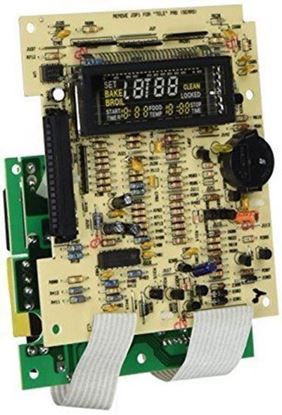
Tired of a malfunctioning oven? Shop precision-fit home and kitchen appliance parts at HnK Parts. We offer oven replacement parts including heating elements, sensors, ignition systems, control boards, door seals, and switches for ovens from trusted brands like GE, Whirlpool, Samsung, LG, and Bosch, delivered straight to your door.
References:
https://www.tn.gov/wfhtn/resources/recipes/sides/how-to-roast-any-vegetable.html
https://www.eatturkey.org/convection-oven-roasting/
https://www.connectedchef.org/blog/roasting
FAQs
What is the best rack position for baking?
The middle rack is best for most baking tasks such as cakes, cookies, and bread. It provides balanced heat from both the top and bottom, preventing uneven cooking or burning.
How do I know if my oven temperature is accurate?
You can check oven accuracy using an oven thermometer. Place it inside while preheating. If the reading is different from the set temperature, you may need to adjust settings or service the oven.
How often should I clean my oven?
It is recommended to clean your oven lightly once a month and perform a deeper cleaning every few months. Regular cleaning prevents smoke buildup, odor, and uneven heating.
Why does food sometimes burn outside but stay raw inside?
This usually happens when the oven temperature is too high. Lowering the temperature and increasing cooking time allows heat to reach the center of the food without burning the exterior.
| Disclaimer: The information provided is for general educational purposes only. Oven performance and preheating times may vary by brand, condition, and home usage. |
-
 General Electric WB2K5319 Range Oven Door GasketSpecial Price $141.16 Regular Price $160.22
 -
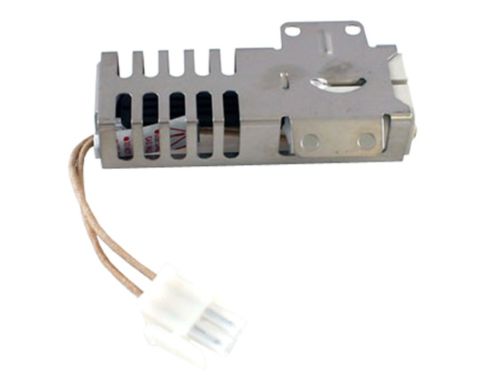 General Electric WB13K21 Range Oven Ignitor 3-3/4" 7" leadsSpecial Price $23.98 Regular Price $67.08
 -
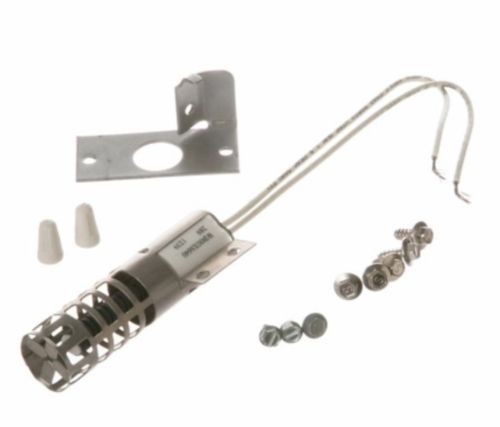 General Electric WB2X9154 Range Oven Igniter- Round 8" LeadsSpecial Price $46.48 Regular Price $69.29
 -
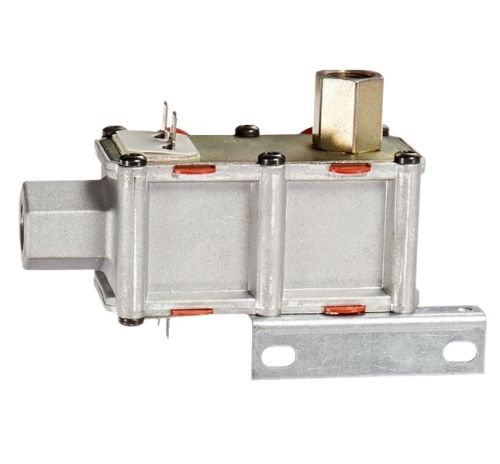 General Electric WB19K14 Oven Safety ValveSpecial Price $302.70 Regular Price $411.71