
How to Diagnose and Replace a Broken Dishwasher Timer Dial
Dishwasher timer dials control wash, rinse, and drying cycles. When the dial fails, the appliance may not start, stop mid-cycle, remain on one setting, or run inconsistently. Common causes include worn internal gears, faulty electrical contacts, and long-term usage wear.
Diagnosing the issue involves disconnecting power, inspecting the timer dial for visible damage, and testing the timer assembly if needed. To replace a faulty timer dial, remove the control panel, disconnect the damaged unit, and install a compatible replacement part, then test the cycle. A properly working dishwasher dial helps maintain smooth cycle progression.
Common Signs of a Faulty Dishwasher Timer Dial
A faulty dishwasher timer dial can cause operational issues that affect performance and interrupt normal cycles. Here are the most common dishwasher timer repair signs:
- Dishwasher Gets Stuck on One Cycle: The dishwasher may remain in the wash, rinse, or dry cycle without moving to the next stage, leading to incomplete cleaning.
- Dishwasher Won’t Start: Turning the timer dial may produce no response, often due to internal timer failure or electrical contact issues.
- Inconsistent Cycle Operation: The dishwasher may run longer or stop early, resulting in poor cleaning performance or skipped stages.
- Timer Dial Doesn’t Turn Properly: The dial may feel stiff, loose, or jammed because of mechanical wear or internal damage.
- Dishwasher Stops Mid-Cycle: A faulty timer motor or damaged contacts can cause a sudden shutdown during operation.
- Dishwasher Runs Constantly and Won't Shut Off: The internal contacts can fuse together, causing the dishwasher to drain, pump, or run the heating element indefinitely, even after the dial reaches the "Off" position.
Confused whether the dishwasher timer dial is faulty? Fix it quickly with high-quality kitchen appliance repair parts from HnK Parts. Shop replacement parts such as dishwasher timer dials, water inlet valves, float switches, spray arms, pumps, and more from top brands like LG, Samsung, Whirlpool, Bosch, GE, and Frigidaire. Order now for fast, hassle-free delivery.
What Causes a Dishwasher Timer Dial to Break?
A dishwasher timer dial can fail due to wear, mechanical faults, or electrical issues. Identifying the cause helps determine the correct repair. Below are some common causes:
- Sticky Residue Around the Dial: Grease, detergent buildup, or dirt can collect around the dishwasher timer knob, restricting movement and making it difficult to turn.
- Blocked Detergent Dispenser: A jammed detergent cup can interrupt the dishwasher's cycle sequence, affecting timer performance.
- Malfunctioning Door Latch: If the door latch is damaged or not closing properly, the dishwasher may pause and prevent the timer from advancing.
- Timer Motor Failure: The timer motor controls cycle progression. When it wears out or fails, the dial may stop moving altogether.
- Insufficient Water Flow: Low water pressure, clogged inlet valves, or water supply interruptions can delay cycle progression.
- Electrical Surges or Wiring Issues: Loose connections, damaged wiring, or voltage fluctuations can interfere with timer operation and lead to failure.
If the dial does not advance, shows wear, or fails continuity testing, the timer assembly requires replacement. Using quality dishwasher parts restores cycle control and improves performance.
How to Diagnose a Faulty Dishwasher Timer Dial
Diagnosing a faulty mechanical dishwasher timer dial involves separating external delays from internal mechanical or electrical faults in older dishwashers. Here are the dishwasher repair tips:
- Verify Dial Movement and Positioning: Rotate the cycle selector through all settings. The dial should move in defined steps and lock at each cycle position. If it spins freely, resists turning, or fails to engage positions, the internal drive mechanism may be worn or disconnected.
- Check Cycle Advancement During Operation: Run a wash cycle and observe the timer movement. The dial should advance through each stage of the cycle on its own. If it stays fixed on one setting or stops advancing, the timer motor or gear train is not functioning.
- Inspect for Physical Wear or Heat Damage: Examine the dial area and control housing. Look for cracks, looseness, melting, or discoloration. These signs indicate mechanical wear or heat affecting the timer assembly.
- Test Timer Contacts with a Multimeter: Disconnect power before testing. Access the timer terminals and check continuity using a multimeter. Compare readings across cycle positions with the service diagram. Missing or inconsistent continuity indicates internal contact failure.
Recognizing these issues early can simplify dishwasher troubleshooting and help keep your dishwasher operating efficiently.
Watch to learn how to install your Samsung dishwasher with this step-by-step guide.
Step-by-Step Process on How to Replace a Dishwasher Timer Dial
Replacing a dishwasher timer dial restores proper cycle control when the original unit stops advancing or responding. Below are the step-by-step process:
Step 1: Disconnect Power
Turn off the dishwasher at the mains or unplug it completely. Always confirm there is no electrical power before you begin the replacement process.
Step 2: Remove Control Panel Cover
Unscrew the screws securing the inner control panel. Carefully lift the panel to expose the timer assembly and dial mechanism.
Step 3: Remove Timer Knob and Dial
Pull off the external knob. Check for a retaining clip or screw on the timer shaft and remove it. Slide the dial off gently without forcing it.
Step 4: Disconnect Wiring Harness
Disconnect the wire terminals from the timer unit one by one, ensuring no damage to the connectors.
Step 5: Remove Faulty Timer Assembly
Unscrew the timer mounting bracket. Carefully remove the entire timer unit from its housing.
Step 6: Install New Timer
Place the new timer in the same position as the old one. Secure it with screws and replace the faulty timer with the new one, reconnecting all wiring exactly as it was before.
Step 7: Reassemble and Test
Reattach the dial, knob, and control panel cover. Restore power and run a short test cycle to confirm that the replacement was successful.
Find out how to replace the water inlet valve on a Frigidaire dishwasher to restore proper water flow.
Summary: Keeping Your Dishwasher Running Smoothly
A dishwasher timer dial controls how the appliance transitions between cleaning stages, and even small inconsistencies can affect overall wash timing. Identifying whether the issue comes from movement, contacts, or internal drive is an important part of dishwasher troubleshooting and helps narrow down the fault quickly. A correctly installed replacement restores balanced cycle operation and prevents repeated interruptions.
Key Takeaways:
- Timer dial failures can produce symptoms that resemble pump, valve, or heating element problems.
- Inconsistent cleaning results between cycles may indicate intermittent timer contact issues.
- Abnormally short or extended cycle times can signal a malfunctioning timer mechanism.
- Heat and moisture inside the dishwasher control panel can accelerate timer wear and failure.
- Mechanical timer dials often show sticking or skipping before they stop working completely.
- Early timer diagnosis can reduce troubleshooting time and prevent unnecessary repairs.
FAQs
How much does it cost to replace a dishwasher timer dial?
A replacement timer dial typically costs between $20 and $150, depending on the dishwasher model. Labor costs may increase the total repair expense.
Why is the dial on my dishwasher not moving?
A faulty timer motor, worn gears, or damaged timer contacts can prevent the dial from advancing. Other component failures may also affect timer operation.
Is it worth fixing the control panel on a dishwasher?
Control panel repairs are often worthwhile if the dishwasher is relatively new. For older units, replacement may be a better long-term investment.
| Disclaimer: This article is for informational purposes only. Dishwasher repair involves electrical and mechanical risks. The steps provided may not apply to all models. |
-
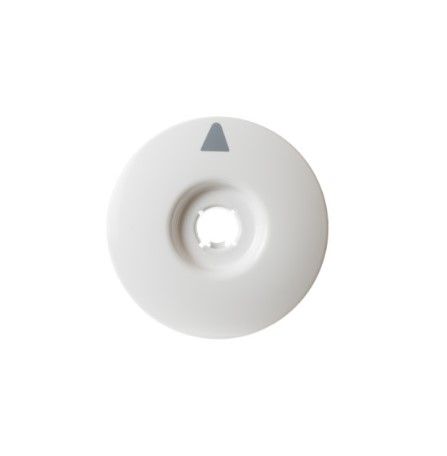
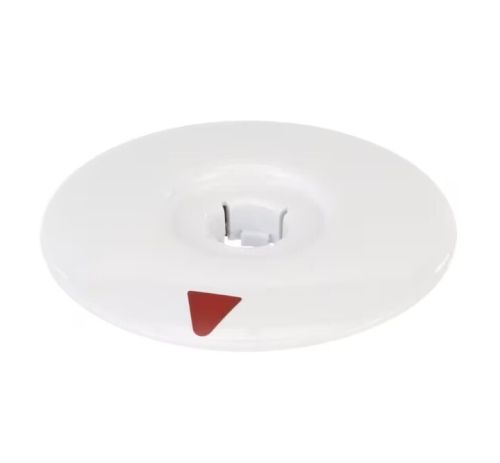 General Electric WH11X10015 Washer Timer Dial-WhiteSpecial Price $26.51 Regular Price $44.95
 -
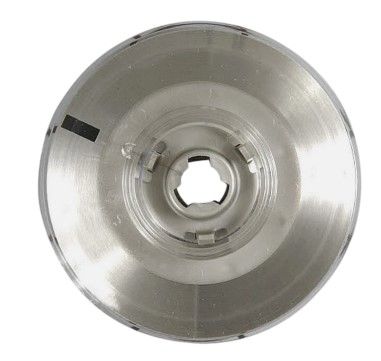 Whirlpool WP8544947 Washer Timer DialSpecial Price $30.30 Regular Price $45.95