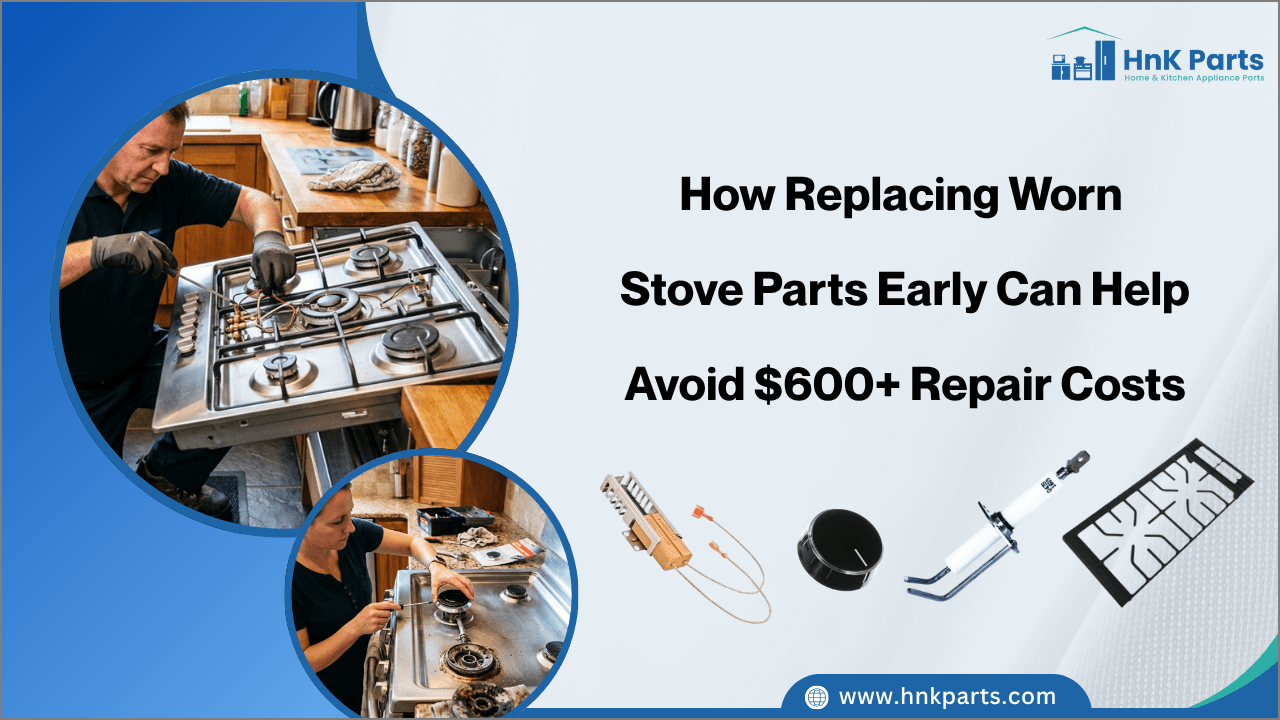
How Replacing Worn Stove Parts Early Can Help You Avoid $600+ Repair Costs
A stove is an essential kitchen appliance used daily for cooking and baking. Over time, components such as igniters, burner heads, control knobs, thermostats, and heating elements can wear out due to constant heat exposure, grease buildup, and regular use. This wear may cause uneven heating, ignition issues, and reduced performance.
Many homeowners postpone minor repairs because the stove still works. However, worn parts can lead to expensive breakdowns and safety concerns. Replacing components early helps improve efficiency, extend the appliance's lifespan, and prevent costly repairs in the future.
Why Stove Parts Wear Out Faster Than Most Homeowners Expect
Stove parts help maintain consistent cooking temperatures, proper burner ignition, accurate heat control, and efficient appliance operation. Components such as burners, igniters, thermostats, and heating elements work together to support everyday cooking performance.
Over time, exposure to heat, moisture, grease buildup, and repeated use can reduce the effectiveness of these components. Timely replacement of worn stove parts helps maintain cooking consistency, improve energy efficiency, reduce repair costs, and extend the service life of the appliance.
Key factors that accelerate stove part wear include:
- Repeated heating and cooling cycles
- Grease and residue buildup on burners and igniters
- Moisture exposure that promotes corrosion
- Frequent use of knobs, valves, and switches
- Electrical resistance changes in heating components
- Reduced combustion efficiency in gas stoves
When worn parts are ignored, the stove must work harder to maintain cooking temperatures. This can increase energy consumption, reduce reliability, and lead to more expensive repairs in the future.
The Most Common Stove Components That Need Replacement
Stove components usually degrade gradually due to heat cycles, residue buildup, and repeated mechanical or electrical stress. Catching early signs helps avoid major system damage. Here are the common stove parts that fail:
1. Ignition Module (Gas Stoves): Controls spark timing and burner startup. Failure shows as delayed or inconsistent ignition, multiple attempts to light, uneven timing across burners, or weak spark despite clicking. If ignored, it can lead to gas flow issues and burner system damage.
2. Flame Port Blockage (Burner Assemblies): Caused by grease, carbon, and food residue buildup. Symptoms include uneven flame, low flame output, pulsing behavior, and hot spots on cookware, potentially leading to gas imbalance.
3. Radiant Heating Coil Deformation (Electric Stoves): Develops from resistance fatigue, causing uneven glow, slow heating, intermittent heat, or visible warping. This can eventually damage connectors and receptacles.
4. Temperature Regulation Drift (Oven Systems): Sensors lose accuracy, causing temperature swings, incorrect cooking results, unstable preheating, and error codes.
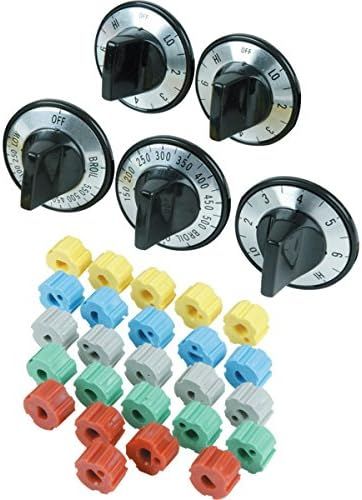
5. Mechanical Stem Wear (Control Knobs): Internal wear leads to loose knobs, delayed response, spinning without control, or inconsistent heat adjustment.
6. Oven Door Gasket (Seal): Failure occurs due to hardening and compression loss, resulting in heat leakage, longer cooking times, uneven baking, and reduced efficiency.
Using Samsung stove parts helps prevent performance issues, improve efficiency, and extend appliance lifespan while reducing costly repairs.
How Delayed Replacement Turns Into $600+ Repair Costs
Many homeowners postpone replacing worn stove parts because the appliance still appears to function. However, a minor issue can quickly escalate into a more expensive repair when it begins affecting surrounding components. What starts as a simple replacement may eventually require extensive diagnostics, labor, and multiple new parts.
A typical stove service call cost breakdown includes:
|
Repair Expense |
Estimated Cost |
|
Service Diagnostic Fee |
$80–$150 |
|
Labor (Per Hour) |
$100–$180 |
|
Replacement Parts |
$40–$300 |
|
Additional System Damage Repairs |
$100–$250 |
|
Potential Total Repair Cost |
$320–$880+ |
Note: Actual repair costs may vary based on the stove brand, model, age, part availability, location, and local labor rates.
When a single worn part is ignored, secondary damage can develop. A failing igniter may damage the control module, a clogged burner may overheat safety valves, and a malfunctioning thermostat may affect wiring or temperature sensors.
Once multiple components require replacement, the technician must:
- Disassemble multiple stove sections
- Test ignition systems, gas flow, and electrical continuity
- Replace interconnected components rather than a single part
This is why replacing worn stove parts early can help homeowners avoid repair costs exceeding $600, even when the issue starts with a small and inexpensive component.
DIY Replacement vs Professional Stove Repair
Some stove parts are simple enough for experienced homeowners to replace, such as:
- Burner caps
- Knobs
- Certain removable components
However, electrical and gas-related repairs require caution. Professional assistance is recommended for:
- Gas line components
- Electrical wiring
- Control boards
- Ignition systems
- Internal oven repairs
Incorrect repairs can create safety risks, including gas leaks or electrical hazards.
Discover how to clean a glass stove top effectively with safe cleaning tips.
Preventive Stove Parts Maintenance Tips to Avoid Costly Breakdowns
Following a simple maintenance routine can help identify worn stove parts before they fail. Regular inspections and cleaning improve performance, reduce energy waste, and help prevent costly repairs that can exceed $600. Here are some essential maintenance tips:
Monthly Maintenance
-
Clean Burner Heads and Ports: Remove grease, food particles, and residue from burner heads and ports to maintain proper flame distribution and efficient combustion.
-
Inspect Ignition Components: Wipe away buildup around igniters and check for delayed ignition, weak sparks, or inconsistent burner startup.
-
Check Burner Flame Quality: Verify that gas burners produce a steady blue flame. Uneven, yellow, or weak flames may indicate blockage or combustion issues.
-
Examine Control Knobs: Ensure knobs turn smoothly and respond correctly without sticking, looseness, or excessive play.
Every 6 Months Maintenance
-
Inspect Gas Stove Igniters: Check for delayed ignition, multiple clicking attempts, or inconsistent burner lighting that may indicate igniter wear.
-
Evaluate Heating Elements: Look for cracks, blistering, warping, or uneven heating on electric stove elements.
-
Examine Electrical Connections: Inspect visible wiring and connections for signs of wear, overheating, discoloration, or damage.
-
Verify Burner Performance: Confirm that all burners heat evenly and maintain consistent temperatures during operation.
Annual Maintenance
-
Inspect Burner Assemblies: Examine burners for corrosion, clogged ports, physical damage, or excessive wear that may affect performance.
-
Test Temperature Sensors and Thermostats: Verify accurate temperature regulation to prevent overheating or uneven cooking results.
-
Evaluate Gas Flow and Safety Components: Inspect gas valves, ignition systems, and safety mechanisms for proper operation and reliability.
-
Check Major Heating Components: Test heating elements and related electrical components for continuity and performance issues.
-
Schedule a Professional Inspection: Arrange an annual appliance inspection to identify hidden issues and ensure all stove systems operate safely and efficiently.
Following this monthly, semi-annual, and annual maintenance schedule helps homeowners improve stove performance, extend its lifespan, and prevent costly repairs.
Explore installation costs of wall ovens: key factors & price breakdown.
Summary: Keep Your Stove Performing Efficiently With Smart Replacement Decisions
Replacing worn stove parts at the right time helps prevent expensive breakdowns, improves cooking performance, and extends the life of your appliance. Small component replacements can save homeowners from facing major repair costs of $600 or more. By paying attention to warning signs and choosing quality replacement parts, you can keep your stove safe, efficient, and reliable for years.
Key Takeaways:
- Replacing damaged stove parts early helps prevent small issues from becoming costly repairs.
- Worn components like igniters, burner caps, heating elements, and door seals can affect stove performance.
- Timely part replacement improves energy efficiency and reduces unnecessary operating costs.
- Ignoring minor stove problems can lead to larger failures requiring expensive repairs.
- Quality replacement parts help maintain safety, reliability, and long-term appliance performance.
- Regularly checking your stove for signs of wear helps extend its lifespan and avoid unexpected breakdowns.
Is your stove slowing down your everyday cooking routine? Explore high-quality home and kitchen appliance parts at HnK Parts. We offer a wide selection of replacement parts for stoves, including burners, heating elements, knobs, switches, and internal components from trusted brands like GE, Whirlpool, Samsung, LG, Bosch, and KitchenAid, delivered straight to your home.
References:
https://www.energy.gov/articles/making-switch-induction-stoves-or-cooktops
https://www.bogleheads.org/forum/viewtopic.php?t=402865
https://expertappliance.org/blog/should-i-repair-20-year-old-stove.html
https://expertappliance.org/blog/should-i-repair-20-year-old-stove.html
FAQs
How can I tell if a stove part needs to be replaced?
Common signs of a worn stove part include delayed ignition, uneven burner flames, slow heating, inaccurate oven temperatures, or unusual noises. Visible damage such as cracks, corrosion, or warping also indicates that replacement may be needed.
Is it cheaper to replace a stove part or buy a new stove?
In most cases, replacing a worn stove part is much less expensive than purchasing a new appliance. Early repairs can also help prevent additional damage and avoid higher replacement costs.
Can a faulty igniter increase repair costs?
Yes, a faulty igniter can increase repair costs if left unaddressed. It may cause repeated ignition attempts, place extra stress on burner components, and potentially damage the control module, making future repairs more expensive.
Why is my gas stove burner producing a yellow flame?
A yellow flame often indicates incomplete combustion caused by clogged burner ports or improper gas flow. Cleaning and inspecting the burner assembly can help restore normal performance.
How long do stove heating elements typically last?
Electric stove heating elements generally last between 5 and 15 years, depending on how often the stove is used, how well it is maintained, and the operating conditions. Regular inspections can help identify wear and prevent performance issues.
| Disclaimer: This content is for educational purposes only. Repair costs, maintenance needs, and replacement recommendations may vary by stove model and condition. Readers are encouraged to verify details according to their specific appliance requirements. |
-
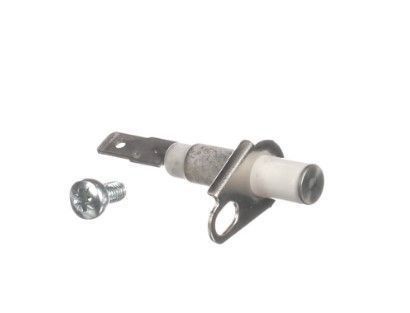 Brown Stove Works Inc. 1881B016 Range IgniterSpecial Price $15.47 Regular Price $20.44
 -
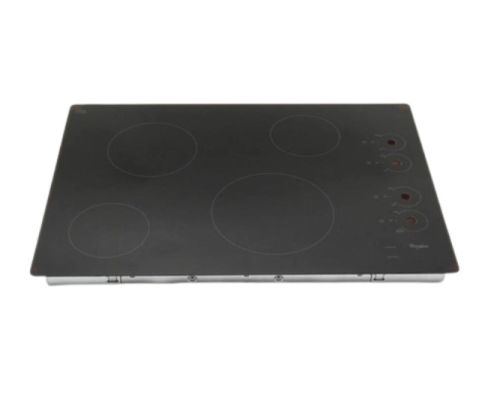 Whirlpool W10365154 Cooktop Glass Main TopSpecial Price $460.44 Regular Price $513.95
 -
 Whirlpool W10472020 Range Glass Main TopSpecial Price $238.50 Regular Price $274.95