
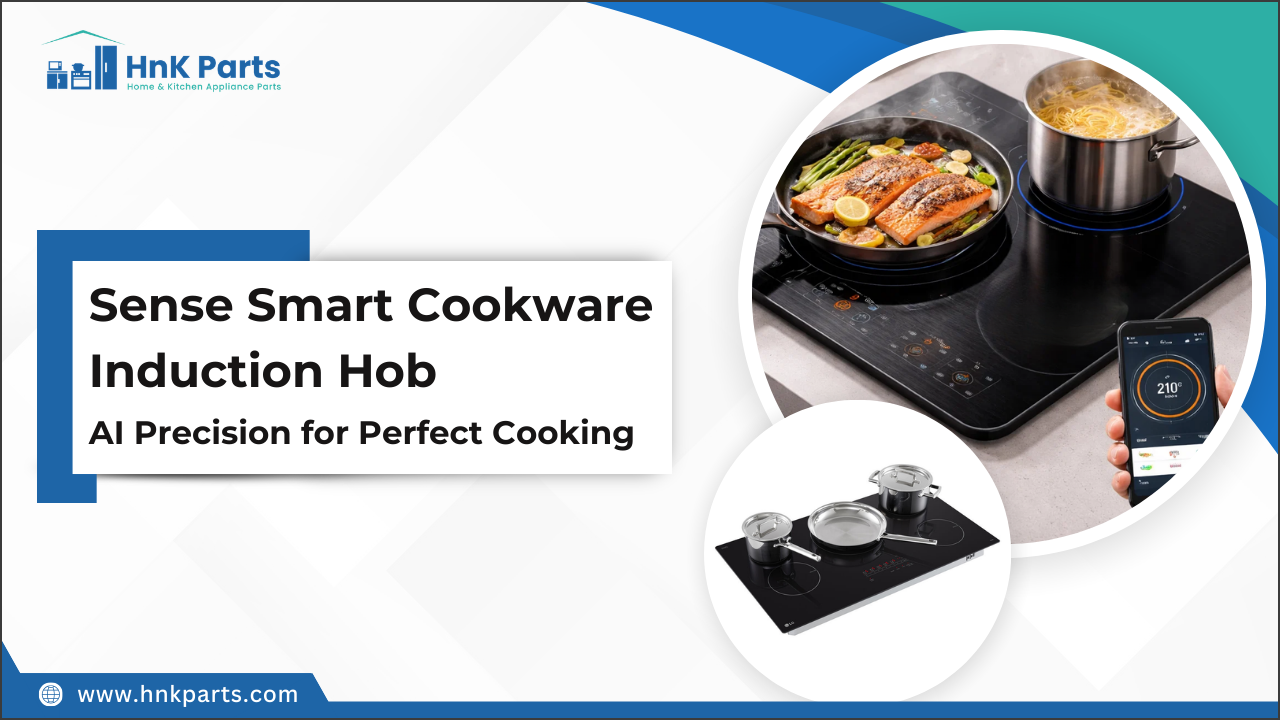
Sense Smart Cookware Induction Hob: AI Precision for Perfect Cooking
Imagine a kitchen where burnt meals and guesswork are relics of the past. The Sense Smart Cookware Induction Hob is transforming home culinary experiences by integrating cutting-edge AI precision into your daily routine. No longer just a heating surface, this intelligent system monitors temperatures in real-time, ensuring every sear and simmer is executed flawlessly. Whether you are a seasoned chef or a kitchen novice, understanding how this smart technology elevates your cooking is essential. Let’s dive into the features, benefits, and practical steps that make this induction hob a game-changer.
How Does the Sense Smart Induction Hob Use AI to Improve Your Cooking?
The Sense Smart Cookware Induction Hob utilizes artificial intelligence to transform the cooking process from a manual task into a data-driven, precision-managed experience. By combining embedded sensors with machine learning algorithms, the hob acts as an intelligent "brain" for the kitchen, making real-time adjustments that ensure consistent results.
Real-Time Temperature and Power Adjustment: Unlike traditional hobs that rely on fixed power levels, the Sense Smart system uses AI to monitor heat continuously.
-
Dynamic Heating: Sensors on the stovetop check heat levels and send data to the AI, which automatically adjusts power to ensure even cooking.
-
Preventing Mishaps: The AI proactively prevents food from burning or being undercooked by changing settings the moment it detects a deviation from the ideal recipe parameters.
-
Automatic Simmering: Systems like the AEG SenseBoil® detect rising bubbles and automatically reduce the temperature to a controlled simmer, eliminating the need for constant monitoring.
Intelligent Material and Vessel Recognition: The hob uses machine learning to identify what is on the surface and how to treat it.
-
Cookware Identification: Embedded AI can recognize different cooking materials and their specific temperature requirements, adjusting heating power automatically for optimal results.
-
Vessel Detection: Advanced algorithms can even identify the material of a pot (e.g., stainless steel vs. enamel) by analyzing electromagnetic waveforms, allowing the inductor to act as a smart sensor without extra hardware.
Guided and Automated Cooking Experiences: AI provides a "sous-chef" experience by guiding users through complex recipes.
-
Guided Recipes: Users can select from hundreds of pre-loaded recipes via a connected app or touch screen, such as on the AEG SensePro®, which then sends precise cooking parameters directly to the hob.
-
One-Touch Solutions: The AI can suggest ideal cooking times and temperatures for specific foods, often requiring only a single button press to start a perfectly managed cycle.
-
Flavour and Texture Analysis: Some experimental systems even analyze vapours and use texture-sensing cameras to replicate specific flavour patterns from professional chefs.
Safety and Energy Efficiency: AI integration enhances the fundamental performance of the induction technology.
-
Auto Shut-Off: Intelligent safety mechanisms prioritize user safety by automatically shutting off the process if a spill is detected or if a pan is removed.
-
Energy Optimization: Smart temperature management can reduce energy consumption by up to 30% by preventing power wastage and regulating heat more efficiently than a human can manually.
Is the Sense Smart Cookware Worth It? Key Features and Benefits
For many home cooks, the Sense Smart Cookware Induction Hob is a worthwhile investment because it replaces manual guesswork with automated precision, significantly reducing common kitchen errors like boiling over or uneven frying. Experts from Beyond Appliances suggest the initial cost is often offset by long-term energy savings and improved meal quality.
Key Smart Features: The "Sense" lineup, particularly models like the AEG 7000 Series SenseBoil® and SensePro®, offers specialized sensors designed for specific cooking tasks:
-
SenseBoil® Technology: Automatically detects rising bubbles and adjusts the temperature to a controlled simmer, preventing water from boiling over.
-
SenseFry® Sensor: Maintains an even heat across the entire pan surface, ensuring consistent browning without the user needing to constantly adjust power levels.
-
Wireless Food Sensor (SensePro®): A probe that measures the core temperature of food, enabling professional-grade techniques like sous vide directly on the hob.
-
Hob2Hood Connectivity: Automatically syncs the hob with compatible cooker hoods, adjusting the fan speed and lighting based on your cooking intensity.
Core Benefits for Home Cooks: The Sense Smart Cookware Induction Hob offers practical advantages that make everyday cooking easier, safer, and more efficient while helping reduce energy use and improve control over meals.
-
Unmatched Energy Efficiency: Induction technology is up to 90% efficient, compared to just 40–55% for gas, by heating the pan directly rather than the air around it.
-
Rapid Heating Speed: Features like PowerBoost can boil water up to 50% faster than traditional hobs, often bringing a large pot to a boil in under 90 seconds.
-
Superior Safety: The surface stays cool to the touch outside the active cooking zone, and features like Automatic Pan Recognition ensure the element only activates when a magnetic pot is detected.
-
Easy Maintenance: Because the glass-ceramic surface doesn't get hot enough to bake on spilled food, most messes can be cleared with a simple wipe.
Is It Worth the Investment?
In the United States, high-end smart induction cooktops are considered a significant but valuable investment for those seeking a modern, data-driven kitchen. While entry-level portable induction burners can be found for under $100, premium built-in smart hobs typically range from $1,200 to over $3,500, depending on the brand and feature set.
Explore the ultimate guide to wireless-powered kitchen appliances, highlighting how cordless technology enhances convenience, flexibility, and efficiency in modern kitchens.
Sense Smart vs. Traditional Induction: What’s the Real Difference?
While both use electromagnetic technology, the "real difference" lies in the transition from manual control to autonomous precision. Traditional induction requires you to manage power levels (1–10) much like a gas dial, whereas "Sense Smart" technology uses a closed-loop system of sensors to manage the cooking environment for you.
|
Feature |
Traditional Induction |
Sense Smart Induction |
|
Temperature Management |
Relies on fixed power levels. Users must manually adjust the heat if the pan gets too hot or if a boil-over begins. |
Uses dynamic sensors (infrared or thermal probes) to monitor pan temperature in real time and automatically adjusts power to maintain precise heat (often within ±5°C). |
|
Automation and Features |
Includes basic timers and simple preset buttons for tasks like “Milk” or “Curry.” |
Offers advanced automation such as SenseBoil® to prevent spills and SensePro® wireless probes for precision cooking like sous vide. Some models include built-in weighing scales and guided recipes via smartphone apps. |
|
Connectivity and Monitoring |
Operates as a standalone appliance with no remote connectivity. |
Supports Wi-Fi connectivity for remote monitoring and Hob2Hood synchronization that automatically adjusts extractor fan speed. |
|
Efficiency and Performance |
Highly efficient (~90%) but can waste energy if heat levels remain higher than necessary. |
Uses AI-driven power modulation to optimize energy use, potentially reducing consumption by an additional 15–30% while maintaining target heat levels. |
Performance Comparison Table
|
Feature |
Traditional Induction |
Sense Smart Induction |
|
Control Method |
Manual Power Levels (1-9) |
AI-Driven Temperature Control |
|
Boil Protection |
Manual Monitoring Required |
Automatic (e.g., SenseBoil) |
|
Connectivity |
None |
Wi-Fi / Bluetooth / App |
|
Precision |
Variable |
Precise Core Temp Monitoring |
|
User Interface |
Basic LED/Push Buttons |
Touchscreens/Gesture Control |
Check out how innovative smart kitchen appliances are transforming modern cooking, highlighting how smart tech is reshaping modern kitchens.
Step-by-Step: Setting Up Your Sense Smart Hob for Precision Meals
To get the most out of your AI-driven kitchen, you need to move beyond just plugging it in. Setting up a Sense Smart Hob involves syncing its "brain" with your cookware and home network for total control.
Step 1: Connectivity and App Integration: Before you cook, you need to establish the smart link.
-
Download the App: Install the official brand app (e.g., Electrolux My Kitchen or Samsung SmartThings).
-
Pair via Wi-Fi: Hold the connectivity icon on your hob until it enters pairing mode. Connect it to your home 2.4 GHz Wi-Fi network to enable remote monitoring and firmware updates
Step 2: Calibrating the Smart Sensors: The "Sense" features rely on accurate data from your cookware.
-
Pan Recognition: Place your induction-ready pot in the zone. The AI will "handshake" with the vessel to determine its size and material.
-
Activate SenseBoil®/SenseFry®: Select the specific sensor mode on the touch interface. The hob will perform a 30-second baseline temperature check to ensure it can prevent boil-overs or scorching.
Step 3: Pairing the Wireless Probe (SensePro® Models): For precision tasks like sous vide or perfect steak, you must sync the wireless food sensor.
-
Activation: Tap the probe icon on the hob display.
-
Placement: Insert the probe into the thickest part of your food or clip it to the side of your pot for liquid-based cooking. The hob will now display the internal core temperature in real time.
Step 4: Configuring Hob2Hood: If you have a compatible range hood, set up the infrared link.
-
Auto-Sync: Go to settings and enable the Hob2Hood function. The hood's fans and lights will now automatically activate and adjust based on the heat intensity of the hob.
Step 5: Launching Your First AI-Guided Recipe: Once the setup is complete, you can start cooking using the hob’s AI-guided recipe system.
-
Select a Preset: Use the Assisted Cooking menu to pick a food category (e.g., "Fish" or "Rice").
-
Let the AI Take Over: Once you press start, the hob will manage the power cycles automatically, notifying your phone when the meal has reached the perfect temperature
Summary: Why AI Precision is the Future of Home Cooking
AI-powered induction technology is redefining how people cook by combining precision, automation, and smart connectivity. Instead of relying on manual heat adjustments, systems like the Sense Smart Induction Hob use sensors and intelligent controls to maintain accurate cooking temperatures. This not only improves cooking consistency but also helps reduce common kitchen mistakes. As smart home technology continues to grow, AI-driven cooking appliances are becoming essential tools for efficient, convenient, and modern kitchens.
Key Takeaways
-
AI-powered temperature control maintains consistent cooking results by automatically adjusting heat using real-time sensor data, reducing the risk of overcooking or burning food.
-
Smart cooking technologies guide users through recipes and manage heat levels automatically, making advanced cooking techniques easier for beginners.
-
Higher energy efficiency helps reduce electricity usage, as induction heating works directly on cookware while AI optimizes power levels.
-
Improved safety features like automatic shut-off, spill detection, and pan recognition help prevent kitchen accidents.
-
Smart connectivity allows users to monitor cooking progress, receive alerts, and access guided recipes through mobile apps.
-
AI-driven appliances are shaping the future of modern kitchens by offering greater precision, convenience, and sustainability.
Need reliable home and kitchen equipment parts fast? Shop now at HnK Parts for high-quality OEM and compatible replacement parts for fryers, ovens, refrigeration units, dishwashers, and more. We supply durable, performance-tested components designed to keep restaurants and foodservice operations running smoothly with competitive pricing, dependable inventory, and fast shipping.
References:
https://www.energy.gov/articles/making-switch-induction-stoves-or-cooktops
https://www.smcsustainability.org/induction-stove-cooking-sustainable-efficient-and-safer/
FAQs
Does the Sense Smart hob require special cookware?
Yes. Because it uses electromagnetic induction, you need ferromagnetic cookware such as cast iron, enamelled steel, or induction-compatible stainless steel. A simple way to check is to place a magnet on the base of the pan—if it sticks, the cookware will work. Materials like pure aluminium, copper, or glass are not compatible.
How much more energy-efficient is a smart induction hob compared to gas?
Smart induction hobs convert up to 90% of energy directly into heat, while gas stoves lose about 50–60% of energy to the surrounding air. AI-powered heat control can further optimize energy use and help reduce cooking time.
What are the primary safety benefits of AI-driven induction cooking?
AI-enabled induction hobs include features such as boil-over prevention and automatic overheat protection. Since only the cookware heats up, the surface stays relatively cool, lowering the risk of accidental burns.
| Disclaimer: The information in this article is for general informational purposes only. Product features and specifications may vary by brand or model. Always refer to the manufacturer’s official guidelines for accurate instructions and safety information. |
-
 Whirlpool 8184860 Range Door TrimSpecial Price $67.05 Regular Price $93.82
 -
 General Electric WB17X5095 Range Main Terminal BlockSpecial Price $64.52 Regular Price $75.95
 -
 General Electric WB17X211 Range Terminal Block ClipSpecial Price $16.77 Regular Price $18.95
 -
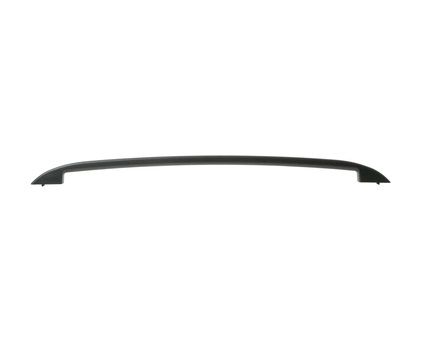 General Electric WB15X10047 Range Door Handle - BlackSpecial Price $75.00 Regular Price $87.95
 -
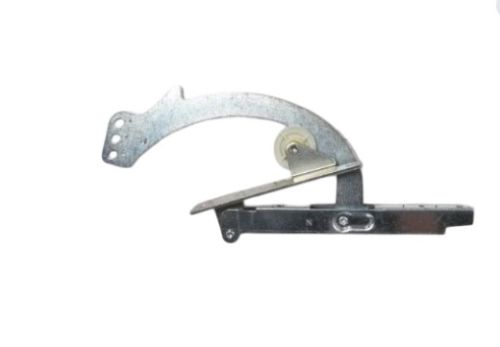 General Electric WB14X104 Range Hinge RightSpecial Price $49.54 Regular Price $60.92