Autonomous Wash Programs: Advancing Acoustic Performance in Modern Dishwashing
As kitchens become more open, connected, and integrated with living spaces, dishwasher noise is becoming an increasingly important part of appliance design. A dishwasher is no longer expected to simply clean dishes; it is also expected to operate efficiently without becoming a major distraction during cooking, dining, working, or relaxing.
This is where autonomous wash programs are becoming increasingly relevant. Modern dishwashers can use sensors and electronic controls to adjust parts of a wash cycle according to conditions such as soil level, water temperature, and load requirements. At the same time, manufacturers are improving motors, insulation, cabinet construction, and water-flow systems to reduce operating noise.
Why Is Acoustic Performance Essential in Modern Dishwashers?
Acoustic performance matters because modern kitchens often connect to dining, living, and work areas. Dishwasher noise mainly comes from the motor, pump, water flow, and cabinet vibration.
How Do Autonomous Wash Programs Affect Dishwasher Noise? They do not directly reduce noise. However, sensor-based controls can adjust operation and avoid unnecessary high-intensity performance.
Key factors that influence dishwasher noise are:
- Motor and pump operation affect mechanical noise.
- Water flow creates sound through spray arms and internal passages.
- Vibration transfers noise through rotating components and the cabinet.
- Filling and draining add water-flow and pump noise.
- Cabinet construction affects sound transmission through insulation and structure.
A quieter dishwasher depends on motor control, pump design, water-flow management, cabinet construction, and vibration control.
How Sensors Drive Autonomous Dishwasher Operation and Adapt Wash Cycles
Autonomous wash programs use sensor information to adjust dishwasher operation instead of relying entirely on one fixed sequence.
A conventional cycle may follow a predetermined pattern based on the program selected by the user. Sensor-based systems can respond to changing conditions during operation.
One important example is the turbidity sensor. It evaluates the clarity of the wash water to provide information about the amount of soil present. If the water becomes cleaner during the cycle, the dishwasher can use that information when determining how the wash should continue.
Other inputs can also support automated control, including:
- Water temperature
- Water level
- Soil conditions
- Motor or pump operating conditions
- Cycle progress
- Load-related information in systems equipped with appropriate sensing technology
Instead of treating every load exactly the same, the appliance can use available information to determine whether more or less washing action is necessary.
Once the washing action has been adjusted based on the detected load conditions, the appliance completes the cycle using the appropriate settings and operation levels.
Acoustic Optimization can also contribute to acoustic optimization. If a load does not require maximum wash intensity for the entire cycle, the control system can avoid unnecessary high-intensity operation, which can help reduce operating noise.
Can Dishwasher Sensors Reduce Noise During the Wash Cycle? Sensors do not directly make a dishwasher quieter. They detect conditions such as load characteristics and provide information to the control system. The motor, pump, hydraulic system, cabinet construction, and control software determine how that information affects wash intensity and operating noise.
-
Noise Considerations: When evaluating dishwasher noise, consider the overall noise rating along with the motor, pump, and cabinet design rather than assuming that sensors alone reduce operating noise.
Explore high-tech dishwashers: exploring the latest features and trends.
How Variable-Speed Motors Enable Quieter Dishwasher Operation
Variable-speed motor control gives a dishwasher greater flexibility in matching pump operation to the cleaning requirements of the cycle.
Traditional motor systems often operated within a more limited range of speeds. Modern electronically controlled motor technologies can provide more precise control over speed and torque, depending on the appliance architecture.
This can affect both cleaning performance and acoustic behavior.
For example, the dishwasher may require stronger water circulation during a heavy cleaning phase and less aggressive operation during another stage. Being able to adjust motor operation gives engineers more control over those changes.
Several design advantages can result:
- Controlled Acceleration: Gradual motor-speed changes can reduce abrupt mechanical transitions.
- Adjustable Water Circulation: Pump operation can be matched more closely with the selected wash phase.
- Improved Efficiency: The motor does not necessarily need to operate at maximum output throughout the entire cycle.
- Reduced Unnecessary Activity: Control software can adjust operation when conditions do not require maximum cleaning intensity.
However, quieter operation still depends on the entire system. A variable-speed motor cannot compensate for poor cabinet isolation, excessive vibration, inefficient hydraulic design, or poorly balanced mechanical components.
What Are the Benefits of Autonomous Dishwasher Programs?
Autonomous wash programs can make dishwasher operation more responsive to the actual load instead of relying entirely on preset cycle assumptions. Potential benefits include:
-
More Precise Cleaning: The dishwasher can adjust washing intensity according to detected conditions.
-
Reduced Resource Use: Avoiding unnecessary washing time, water, or heating can improve efficiency.
-
Less Manual Selection: Users may not need to determine the most appropriate cycle for every load.
-
Adaptive Operation: The dishwasher can respond to changing conditions during a cycle.
-
Improved Convenience: Automated adjustments reduce the need for users to monitor the washing process
The most effective approach is therefore a combination of motor control, hydraulic design, vibration management, insulation, and intelligent cycle programming.
Why Automation And Compact Designs Are Driving Dishwasher Innovation
Market growth is reinforcing the broader shift toward automated dishwashing. A 2026 GlobalNewswire report based on Research and Markets data estimates that the global portable dishwasher market was valued at $2.5 billion in 2025 and could reach $5.2 billion by 2035, representing a projected 7.6% CAGR. The report also highlights growing demand for automatic dishwasher solutions as compact living spaces and flexible appliance formats become more important.
Compact and portable dishwashers create a distinct set of acoustic and engineering requirements. They are particularly relevant to:
- Apartments
- Rental Homes
- Smaller Kitchens
- Urban Residences
- Flexible Living Spaces
- Homes Where Permanent Installation Is Difficult
In these environments, dishwashers may operate close to dining or living areas, making operating noise more noticeable. Compact designs can also provide less physical space for certain forms of acoustic treatment. Manufacturers therefore need to achieve cleaning performance and noise control within a smaller footprint.
This creates a broader design challenge: how can a dishwasher adapt its cleaning performance while keeping operation as unobtrusive as possible?
Meeting that challenge requires coordination among multiple components rather than relying on a single noise-reduction technology. Manufacturers may need to balance:
- Motor Size and Control
- Pump Performance
- Water-Flow Design
- Cabinet Construction
- Insulation
- Vibration Isolation
- Cycle Programming
How Does Smart Connectivity Improve Autonomous Dishwashing?
Connectivity can extend autonomous operation beyond the dishwasher itself. A connected dishwasher could communicate cycle information with a smartphone or smart-home system and provide notifications about the status of a wash.
Future connected systems could potentially support:
- Remote cycle monitoring
- Cycle-completion notifications
- Scheduled operation
- Maintenance alerts
- Software and feature updates
- Integration with other smart-home devices
The growing demand for automatic operation adds another consideration. As appliances take over more decisions from the user, homeowners increasingly expect them to complete those tasks with minimal disruption. This makes the coordination of automation, cleaning performance, compact design, and acoustic control increasingly important in dishwasher development.
Discover front-load washers: how FreshFlow vent keeps the drum fresh and dry every day.
The Acoustic Challenges of Autonomous Dishwasher Operation
The main challenge is balancing cleaning performance with noise, energy use, water consumption, and cycle duration.
Reducing pump speed or water pressure can potentially reduce certain operating sounds, but aggressive cleaning action is also important for removing difficult food residues. This creates a fundamental trade-off.
A dishwasher cannot simply reduce every mechanical action to achieve lower noise. Instead, the control system must determine when stronger cleaning action is necessary and when a lower-intensity operating profile may be sufficient.
Other Engineering Considerations Involve:
1. Water and Pump Behavior: Air entering the circulation system can affect pump performance and contribute to undesirable sounds. Maintaining appropriate water levels and stable hydraulic conditions is therefore important for both performance and acoustic behavior.
2. Vibration Management: Motors, pumps, spray systems, and dish loads can all contribute to vibration. Structural design and isolation methods help prevent that vibration from transferring into the surrounding cabinet.
3. Thermal Management: Longer or differently structured wash cycles can change how heat is distributed inside the appliance. Heating and drying systems must continue to meet performance requirements without introducing unnecessary noise or energy consumption.
4. Cycle Optimization: A quieter cycle may require a different balance between water pressure, temperature, detergent action, and operating time. Autonomous controls can help manage these variables based on the conditions detected during the wash.
What Should You Look for in an Autonomous Dishwasher?
When evaluating an autonomous or AI-enabled dishwasher, look beyond the word “AI” and check which technologies are actually included. Important features may include:
- Turbidity sensors for detecting changes in wash-water conditions
- Temperature sensing for monitoring washing conditions
- Variable-speed motors for adjusting water circulation
- Adaptive wash programs that modify cycle operation
- Load-sensing capabilities for responding to different loads
- Smart connectivity for monitoring and notifications
- Predictive maintenance features where supported
- Noise-control technology for quieter operation
Note: The presence of a particular feature does not necessarily mean that a dishwasher uses artificial intelligence. The manufacturer's specifications should be checked to understand how the system actually makes its decisions.
Summary: What Comes Next for AI-Powered Dishwashers: Autonomous Wash Programs
The next stage of autonomous dishwashing is likely to involve more sophisticated sensing, connectivity, and predictive control.
Today's sensor-based systems already allow appliances to respond to conditions during a wash cycle. Future connected appliances could expand that capability by combining more sources of information and using historical operating data to improve decision-making.
Key Takeaways
- More Advanced Load Recognition: Cameras or other sensors could help identify characteristics of the items being washed.
- Adaptive Wash Profiles: The appliance could adjust water pressure, temperature, duration, and motor operation according to detected conditions.
- Connected Scheduling: Smart-home integration could allow users to schedule operation around household routines.
- Predictive Maintenance: Changes in motor or pump behavior could potentially help identify developing mechanical problems before they become more noticeable.
- Improved Acoustic Control: More detailed monitoring of vibration and operating conditions could support better control of mechanical noise.
These developments would move dishwashers further away from the traditional model of simply selecting a cycle and pressing start. Instead, the appliance becomes a system that can sense conditions, make operating decisions, and adjust its performance automatically.
Washing machine not working as it should? Get the right fix with high-quality home appliance repair parts from HnK Parts. Find washing machine parts for trusted brands like LG, Samsung, Whirlpool, GE, and Asko, with options such as drain pumps, water inlet valves, door locks, drive belts, suspension rods, and more. Shop today and get the parts delivered straight to your doorstep with fast shipping.
References:
https://automaticwasher.org/
https://journals.flvc.org/edis/article/view/131446
energy.gov/eere/buildings/articles/dishwashers-nopr
FAQs
Do autonomous dishwashers require users to select a wash cycle?
Autonomous systems are designed to reduce the need for manual cycle selection by using sensor information to determine appropriate washing conditions. The level of automation depends on the dishwasher's specific features.
Can autonomous wash programs reduce water and energy use?
By adjusting wash intensity, motor operation, temperature, and cycle duration according to detected conditions, autonomous controls can avoid unnecessary operation and potentially improve resource efficiency.
What role does turbidity sensing play in autonomous dishwashing?
A turbidity sensor monitors the clarity of the wash water to estimate the amount of remaining soil. The dishwasher can use this information to determine whether additional washing action is needed.
Can autonomous programs adjust dishwasher motor speed?
In systems equipped with variable-speed motor technology, the control system can adjust motor speed according to the requirements of different wash phases. This provides greater control over water circulation and operating intensity.
Will future dishwashers be able to detect mechanical problems?
Future connected dishwashers could use changes in motor or pump behavior to identify potential developing problems. This could support predictive maintenance before an issue becomes more noticeable.
Can smart dishwashers schedule washing automatically?
Connected dishwashers could integrate with smart-home systems to schedule operation around household routines, allowing washing to take place at more convenient times.
Why are autonomous features useful in compact dishwashers?
Compact dishwashers are often used in apartments, rental homes, and smaller kitchens where the appliance may operate close to living or dining areas. Autonomous controls can help optimize cleaning while minimizing unnecessary operation and disruption.
What could make autonomous dishwashers more advanced in the future?
More sophisticated sensors, improved load recognition, adaptive wash profiles, connectivity, predictive maintenance, and enhanced acoustic monitoring could make future dishwashers increasingly capable of making washing decisions without constant user input.
| Disclaimer: The information provided in this article is for general informational purposes only. Dishwasher features, autonomous wash programs, sensor technologies, and noise-control capabilities vary by manufacturer and model. |
-
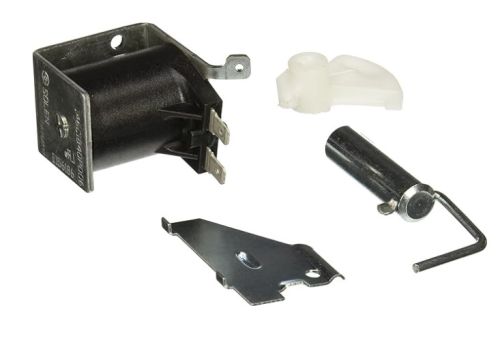 General Electric WD21X802 Dishwasher Drain Solenoid KitSpecial Price $74.88 Regular Price $78.38
 -
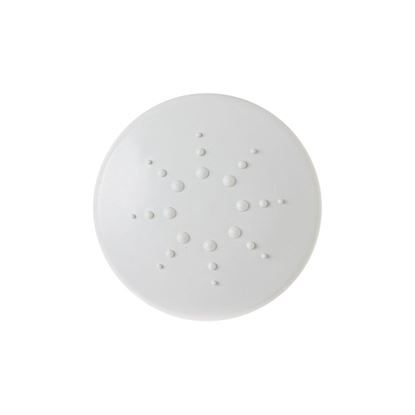 General Electric WD28X10007 Dishwasher Upper Tower CapSpecial Price $6.94 Regular Price $6.98
 -
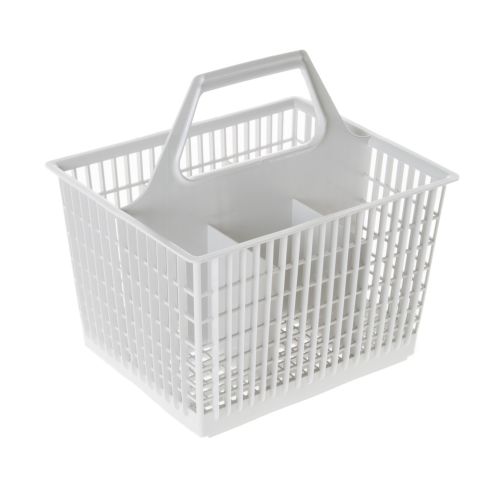 General Electric WD28X265 Dishwasher Silverware BasketSpecial Price $68.15 Regular Price $68.41
 -
 General Electric WD3X764 Dishwasher Soap Cup SpringSpecial Price $27.97 Regular Price $46.95