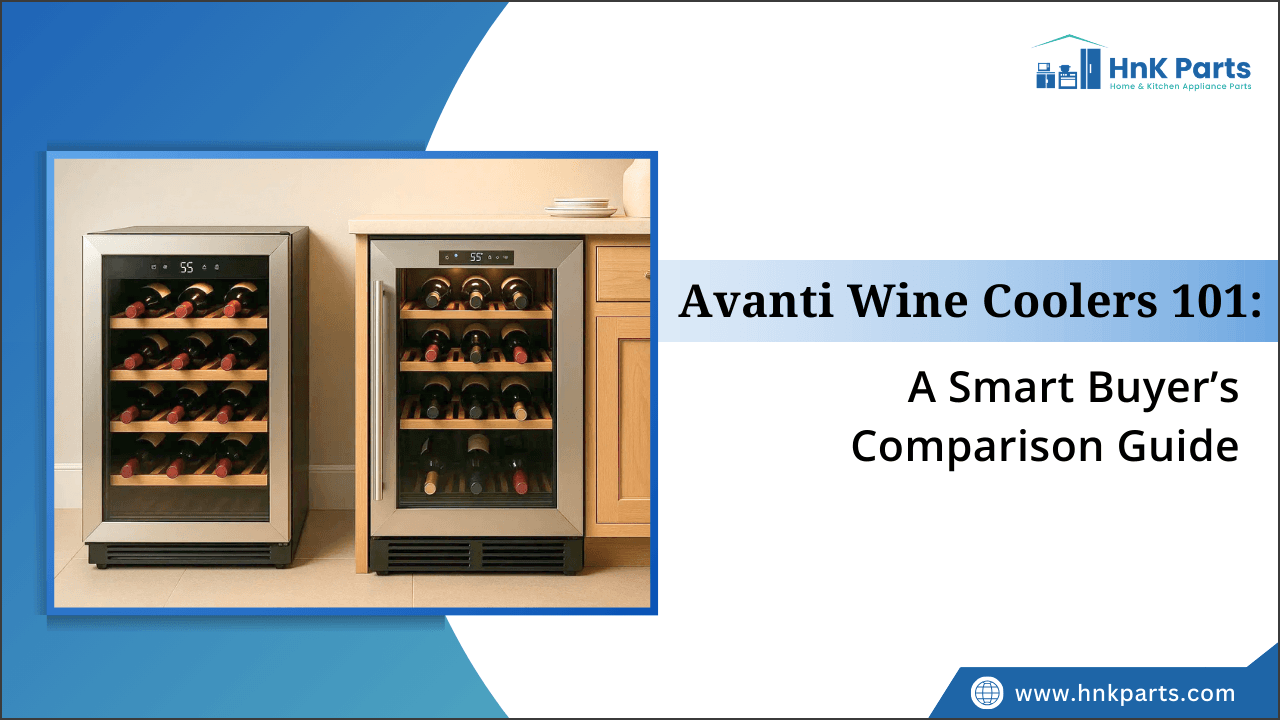
Avanti Wine Coolers 101: A Smart Buyer’s Comparison Guide
Choosing the right wine cooler for your home is essential to preserve the taste, aroma, and quality of your collection. Whether you’re a casual wine enthusiast or building a growing collection, Avanti wine coolers offer reliable temperature control, compact designs, and modern features to fit any space. From small countertop units to larger freestanding models, there are plenty of options to consider. This guide breaks down key types, features, and comparisons to help you confidently select the perfect wine cooler for your home and lifestyle.
What Are Avanti Wine Coolers, and Why Are They Popular?
Avanti wine coolers are specialized appliances engineered to create the ideal environment for storing and aging wine by precisely regulating temperature, humidity, and vibration. Unlike standard refrigerators—which are typically too cold and dry for proper wine preservation—these units maintain a consistent temperature range (usually 40°F–65°F) to prevent corks from drying out and to protect delicate flavor profiles. Many users rely on the Avanti wine cooler manual to fine-tune settings for optimal storage conditions. They have become a preferred choice for both casual drinkers and serious collectors due to several key advantages:
-
Versatility in Design: Avanti offers a wide range of configurations, including freestanding wine coolers, built-in wine coolers, and countertop models. This flexibility allows seamless placement in kitchens, home bars, offices, or entertainment spaces.
-
Precision Cooling Technology: Many models feature Dual-Zone Wine Coolers, enabling users to store red and white wines at their respective optimal temperatures within a single unit, while single-zone wine coolers remain ideal for uniform storage.
-
Advanced Protection Features: UV-resistant glass doors help shield wine from harmful light exposure, while low-vibration compressors minimize disturbance to sediment, preserving the wine’s integrity during aging.
-
Strong Value Proposition: Avanti is known for delivering a balance of durable construction, modern aesthetics, and affordability—making high-quality wine storage accessible to a broader audience, along with easy access to Avanti wine cooler parts when needed.
-
User-Friendly Experience: Intuitive digital controls, soft LED interior lighting, and adjustable or pull-out wooden shelves enhance usability while elevating the visual appeal of your collection.
Looking for appliance replacement parts? Shop at HnK Parts for high-quality home & kitchen appliance components designed to restore performance and extend equipment life. We offer a wide selection of wine cooler parts, heating elements, thermostats, and parts for ovens, dishwashers, and washers. Enjoy competitive pricing, fast shipping, and reliable customer support with every order.
Types of Avanti Wine Coolers Available
Avanti’s lineup is engineered to accommodate a wide range of spaces, layouts, and collection sizes. Selecting the right configuration depends on installation constraints, storage goals, and how you prefer to serve your wine.
Installation Style (Freestanding vs. Built-In): The first—and most critical—decision is how the unit integrates into your space.
-
Freestanding Wine Coolers: These standalone units offer maximum placement flexibility and can be positioned in living rooms, offices, or basements. They typically use rear or side ventilation, which means you must allow a few inches of clearance around the unit to ensure proper airflow and prevent overheating.
-
Built-In (Undercounter) Coolers: Designed for seamless kitchen integration, these models feature front-facing ventilation. This allows them to sit flush with cabinetry or under countertops, making them ideal for modern kitchens and island installations where space optimization and aesthetics are priorities.
Temperature Control (Single vs. Dual Zone): Temperature zoning directly impacts how effectively your collection is preserved and served.
-
Single Zone Coolers: These units maintain a uniform temperature throughout the cabinet, typically set around 55°F. They are best suited for collectors who focus on one wine type—either reds or whites—and want consistent aging conditions.
-
Dual Zone Coolers: Ideal for mixed collections, dual-zone units provide two independently controlled compartments. This allows simultaneous storage of whites at 40°F–50°F and reds at 55°F–65°F, ensuring each varietal is kept at its optimal serving and aging temperature.
Capacity and Size Options: Avanti offers multiple capacity tiers to align with different storage needs:
-
Countertop Coolers: Compact units holding 6–12 bottles, perfect for small apartments or keeping a selection of ready-to-serve wines within easy reach.
-
Mid-Size Coolers: Models such as 28-bottle or 34-bottle units strike a balance between storage capacity and footprint, making them a popular choice for everyday collectors.
-
Large-Capacity Columns: Designed for serious enthusiasts, these units can store 150+ bottles and often include premium finishes from Avanti’s Designer or Elite series.
-
Wine & Beverage Centers: Hybrid units with split compartments or drawers allow you to store both wine and canned beverages, offering versatility for entertainment-focused setups.
Key Features to Compare Before Buying Avanti Wine Coolers
Selecting the right Avanti wine cooler requires evaluating core technical specifications that directly impact preservation performance, usability, and long-term reliability. Focus on the following features to ensure the unit aligns with both your collection size and ambient conditions.
Cooling Technology (Compressor vs. Thermoelectric): Avanti primarily utilizes two cooling architectures, each with distinct operational characteristics:
-
Compressor-Based Systems: These function similarly to conventional refrigeration systems, using refrigerant cycles for active cooling. They are highly effective in maintaining stable internal temperatures, even in warmer environments. This makes them ideal for larger collections (30+ bottles) or spaces where ambient temperatures fluctuate.
-
Thermoelectric Systems: These rely on the Peltier effect for cooling, eliminating the need for a compressor. As a result, they operate silently and without vibration, making them suitable for bedrooms, offices, or living areas. However, their cooling efficiency drops in environments exceeding 77°F (25°C), limiting their use in warmer climates.
Shelf Material and Design: Shelf construction influences both accessibility and bottle compatibility:
-
Roll-Out Vinyl-Coated Shelves: Common in mid-range models, these combine durability with aesthetic appeal. Wooden trim adds a premium look, while the coating prevents bottle slippage and scratches.
-
Full-Extension Wooden Racks: Typically found in high-capacity or premium units, these shelves slide out completely on roller assemblies, allowing easy access to rear bottles without disturbing the rest of the collection.
-
Adjustable/Specialty Shelving: If your collection includes burgundy or champagne bottles, opt for adjustable or scalloped racks. Standard shelving may not accommodate wider bottle diameters efficiently.
UV Protection and Door Insulation: Light exposure is a critical risk factor in wine preservation:
-
Double-Pane Tempered Glass: Provides enhanced insulation and energy efficiency, helping maintain stable internal temperatures while reducing power consumption.
-
UV-Resistant Coating: A must-have feature that blocks harmful ultraviolet rays from sunlight and artificial lighting. Without this, prolonged exposure can degrade wine quality—often referred to as “lightstrike.”
Digital Controls and Stability Features: Modern usability and storage stability depend on these integrated systems:
-
One-Touch Electronic Controls: Soft-touch panels with LED displays allow precise temperature adjustments (±1°F accuracy) and easy monitoring of internal conditions.
-
Integrated Fans and Charcoal Filters: Advanced models include internal fans to ensure uniform air circulation, eliminating temperature inconsistencies (“hot spots”). Charcoal filters help neutralize odors, prevent contamination through corks, and are often replaceable with Avanti parts.
-
Vibration Reduction Technology: Critical for long-term aging, these systems minimize internal movement. Reduced vibration prevents sediment disturbance, preserving the wine’s structure and maturation process.
How to Choose the Right Avanti Wine Cooler for Your Needs
Selecting the right Avanti wine cooler is a strategic decision—one that should align with your current consumption habits while accommodating future collection growth. With options ranging from compact countertop units to large-capacity columns, narrowing down the right fit comes down to evaluating these four critical factors:
1. Assess Your Current and Future Bottle Count: A practical guideline is to choose a unit with at least 20% more capacity than your current inventory to allow for expansion.
-
Casual Sippers: If you typically keep 6–12 bottles, a compact countertop unit (like a 12-bottle thermoelectric cooler) is space-efficient and operates quietly—ideal for apartments or small kitchens.
-
Growing Enthusiasts: If you purchase wine by the case, consider a 30–50 bottle unit. These models often include reinforced, roll-out shelving that accommodates wider bottles like pinot noir or champagne without damaging labels.
2. Determine Your Preferred Wine Types: Your wine preferences directly influence the type of cooling configuration you need.
-
Single-Variety Drinkers: If your collection consists primarily of one type (e.g., reds), a single-zone cooler set around 55°F offers a cost-effective and stable solution.
-
Diverse Collectors: If you store both reds and whites, a dual-zone cooler is essential. It allows independent temperature settings—typically 40°F–50°F for whites and 55°F–65°F for reds—within the same unit.
3. Identify the Placement and Environment: The installation environment plays a critical role in determining performance and longevity.
-
Hot Kitchen or Garage: Opt for a compressor-based model, which can maintain stable internal temperatures even when ambient conditions fluctuate or exceed normal room temperature.
-
Quiet Study or Bedroom: A thermoelectric unit is preferable due to its silent operation and lack of vibration, ensuring minimal disturbance.
-
Undercounter Installation: Always choose a built-in model with front ventilation, allowing proper airflow without overheating surrounding cabinetry.
4. Consider Your Long-Term Goals: If your focus extends beyond short-term storage to long-term aging, prioritize protective and stability features. Look for units with:
-
UV-protected glass doors to prevent light damage
-
Charcoal filtration systems to maintain clean, odor-free air
-
Low-vibration operation to avoid disturbing the sediment
-
Consistent humidity control to preserve cork integrity
For maintenance and troubleshooting, understanding Avanti wine cooler repair basics and sourcing Avanti wine cooler parts can help extend the lifespan of your unit.
Watch the ultimate guide to Avanti refrigerator parts, which covers essential components and tips to choose and replace the right parts for optimal performance.
Summary: Making a Smart Investment in an Avanti Wine Cooler
Choosing an Avanti wine cooler is a practical way to protect the flavor, aroma, and longevity of your wine collection. With options that balance advanced features and affordability, these units provide reliable storage for both everyday drinkers and serious collectors. From compact countertop models to high-capacity dual-zone systems, Avanti ensures consistent temperature control and proper aging conditions. With the right setup and maintenance, your wine remains perfectly preserved and ready to enjoy.
Key Takeaways
-
Select a cooler with 20% more capacity than your current collection to allow for growth
-
Choose single-zone or dual-zone based on your wine variety preferences
-
Match cooling technology (compressor vs. thermoelectric) to your room environment
-
Prioritize UV protection and charcoal filtration for long-term wine preservation
-
Ensure proper placement and ventilation to maintain efficiency and performance
-
Regularly check door seals and temperature settings for consistent storage conditions
FAQs
Are Avanti wine coolers good for long-term wine storage?
Yes, especially models with UV protection, stable temperature control, and low-vibration systems, which help preserve wine quality over extended periods.
What is the difference between single-zone and dual-zone wine coolers?
Single-zone coolers maintain one consistent temperature, while dual-zone units allow you to store different wine types at separate temperatures within the same appliance.
How many bottles can an Avanti wine cooler hold?
Capacity ranges from compact 6–12 bottle units to large models that can store 150+ bottles, depending on the size and design.
Do Avanti wine coolers require ventilation space?
Freestanding models need clearance around the sides or back for airflow, while built-in units use front ventilation and can fit flush with cabinetry.
How do you set the ideal temperature in an Avanti wine cooler?
Use the digital control panel to adjust temperatures—typically 40°F–50°F for whites and 55°F–65°F for reds—for optimal storage and serving.
| Disclaimer: This article is for informational purposes only and is not a substitute for professional advice or manufacturer guidelines. |
-
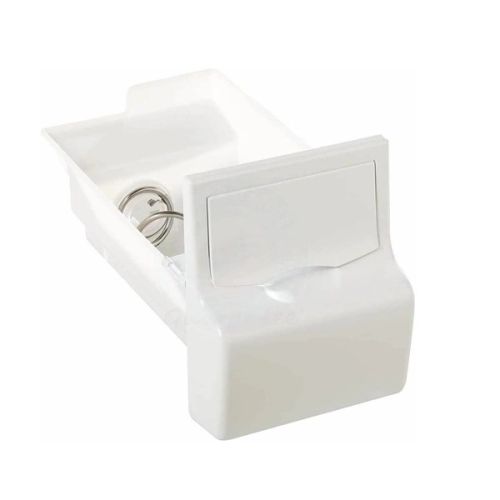 Frigidaire 241914703 Refrigerator Ice Container AssemblySpecial Price $153.10 Regular Price $174.95
 -
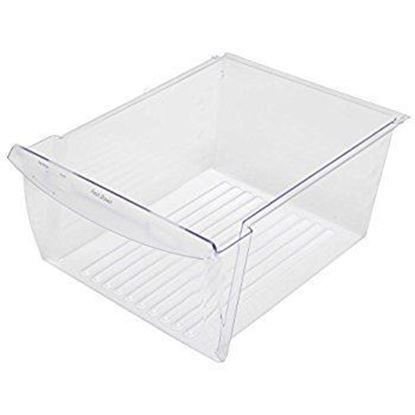 Frigidaire 240351061 Refrigerator Crisper DrawerSpecial Price $60.21 Regular Price $77.18
 -
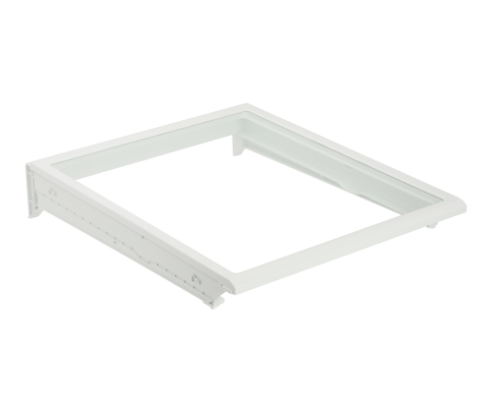 Frigidaire 5304508067 Refrigerator Crisper Drawer Cover AssemblySpecial Price $81.75 Regular Price $98.95