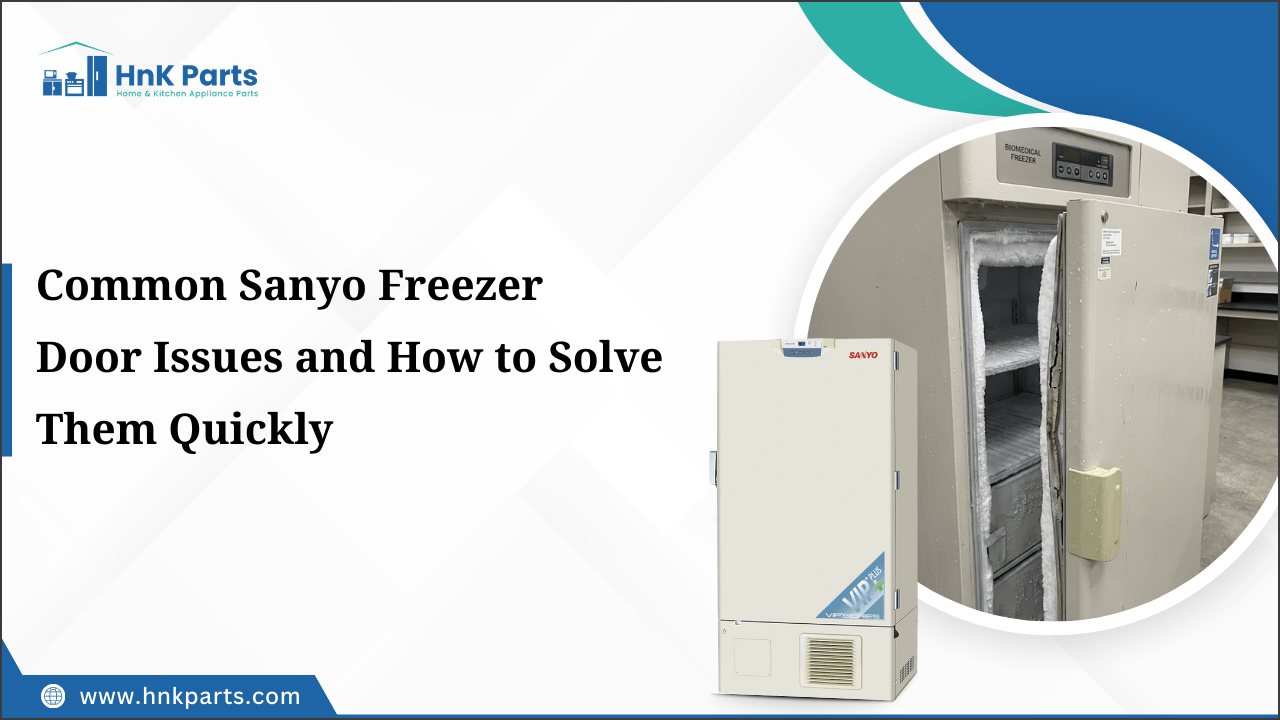
Common Sanyo Freezer Door Issues and How to Solve Them Quickly
A Sanyo freezer is a reliable kitchen staple, but a faulty freezer door can quickly disrupt its performance and energy efficiency. Issues such as poor sealing, frost buildup, difficulty opening or closing, or water leakage can lead to temperature fluctuations and food spoilage if left unresolved. Understanding the common causes behind these problems helps you address them quickly and maintain consistent cooling. This guide explores the most common Sanyo freezer door issues, explains why timely repairs are important, and shares practical solutions and maintenance tips to keep your freezer operating smoothly and efficiently.
Why Freezer Door Problems Should Be Fixed Immediately
Ignoring a faulty freezer door might seem like a minor inconvenience, but it can quickly lead to costly problems for both your appliance and your energy bills. Here is why Sanyo freezer door issues should be addressed as soon as they appear:
-
Skyrocketing Energy Bills: A damaged or loose door seal on a Sanyo refrigerator freezer door allows cold air to escape while warm air enters the freezer. As a result, the compressor must run more frequently—sometimes continuously—to maintain the set temperature, increasing energy consumption by up to 20–30%.
-
Preventing Food Spoilage: Even a small gap in the Sanyo freezer door can cause temperature fluctuations inside the freezer. This can lead to partially thawed food, the formation of ice crystals, and faster spoilage once temperatures rise above 40°F (4°C).
-
Avoiding Severe Frost Buildup: When warm, humid air enters the freezer, it condenses and freezes on interior surfaces. Over time, frost accumulates around vents and evaporator coils, restricting airflow and reducing cooling efficiency.
-
Extending Appliance Lifespan: Continuous compressor cycling places extra stress on internal components. Addressing Sanyo freezer door problems early helps prevent unnecessary wear and reduces the risk of major mechanical failures.
-
Safety Hazards: In extreme cases, an overworked compressor may overheat, potentially damaging surrounding components and increasing the risk of electrical issues if the appliance is not properly maintained with proper Sanyo refrigerator parts.
Looking for appliance replacement parts? Shop at HnK Parts for high-quality home and kitchen appliance parts designed to restore performance and extend appliance life. We offer a wide selection of Sanyo freezer door parts, gaskets, hinges, and other essential replacement parts for freezers, refrigerators, ovens, dishwashers, and washers. We provide dependable solutions, enjoy competitive pricing, fast shipping, and reliable customer support with every order.
Most Common Sanyo Freezer Door Issues and How to Fix Them
Understanding the specific mechanics of your Sanyo freezer door can help you avoid unnecessary repair costs and keep your appliance functioning efficiently. Here are the most common issues and practical steps to resolve them.
Freezer Door Not Sealing Properly
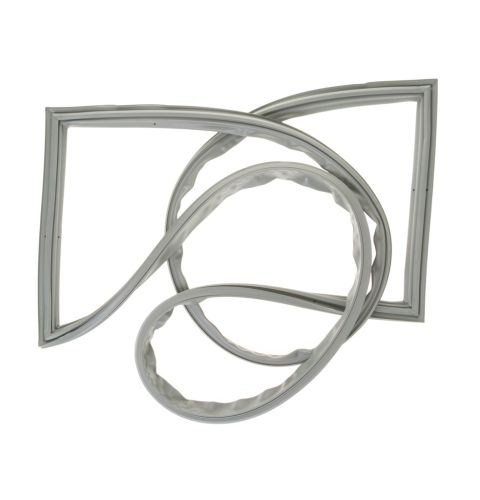
A weak seal is often caused by a dirty, worn, or hardened gasket (the rubber strip surrounding the door).
-
The Fix: Clean the gasket with warm, soapy water and a soft toothbrush to remove grease, crumbs, and residue that may prevent a tight seal.
-
The "Paper Test": Close the door on a sheet of paper or a dollar bill and try pulling it out. If it slides out easily, the gasket may need Sanyo freezer door repair or replacement.
-
Quick Restoration: Apply a thin layer of petroleum jelly (Vaseline) along the gasket to restore flexibility and improve the seal.
Frost Buildup Around the Freezer Door
Frost forms when warm, humid air enters the freezer through gaps in the Sanyo refrigerator freezer door and condenses on cold surfaces.
-
The Fix: Place a flashlight inside the freezer and close the door. If light escapes around the edges, the gasket is not sealing tightly.
-
Reshaping: Use a hairdryer on a low heat setting to gently warm the gasket and reshape it so it fully contacts the door frame.
-
Maintenance: Perform a manual defrost to remove existing ice that may be preventing the Sanyo freezer door from sealing correctly.
Freezer Door Hard to Open or Close
If the freezer door feels difficult to open right after closing, it is usually due to a vacuum effect created as warm air cools and contracts inside the compartment.
-
The Fix: Wait about 1–2 minutes for internal pressure to stabilize before attempting to reopen the door.
-
Long-term Solution: Clean the drain tube and inspect the compressor tray for standing water, which can affect pressure balance. Applying a small amount of petroleum jelly along the hinge side of the gasket can also reduce friction during Sanyo freezer door repair maintenance.
Freezer Door Not Closing Completely
This issue is typically caused by alignment or structural problems rather than a gasket failure.
-
The Fix: Check the freezer’s leveling, door hinge alignment, and interior obstructions to ensure the door can close fully and securely.
-
Level the Unit: Adjust the front leveling legs so the freezer tilts slightly backward, allowing gravity to help the door close properly.
-
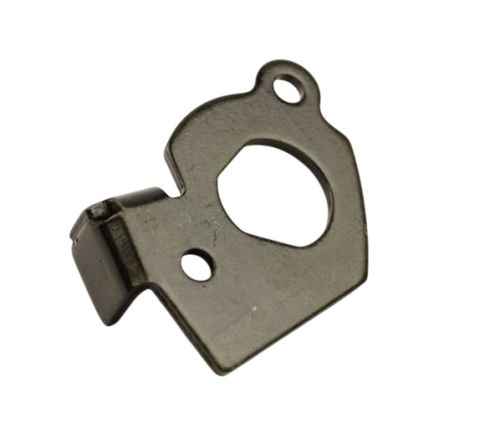
Adjust Hinges: Over time, hinges can loosen or sag. Tighten the hinge screws or add washers to lift the door back into proper alignment. If hinges are worn, you may need Sanyo freezer door parts.
-
Clear Obstructions: Check that large food containers or misaligned door bins are not blocking the door from closing fully.
Water Leaking Near the Freezer Door
Water pooling near the base of the freezer door often indicates a clogged defrost drain or melting frost buildup.
-
The Fix: Locate the defrost drain (usually at the back of the freezer) and flush it with warm water to remove ice or debris.
-
Seal Inspection: Inspect the door gasket for cracks or damage. A compromised seal may require Sanyo freezer door replacement or compatible Sanyo parts.
Watch how to fix a new refrigerator door gasket that won’t seal (part - 00713448), which covers simple troubleshooting steps to restore a proper door seal.
Preventive Maintenance Tips for Sanyo Freezer Doors
Regular maintenance is the best way to prevent unexpected repairs and keep your Sanyo freezer door operating efficiently. By following these simple upkeep practices, you can extend the lifespan of door seals, hinges, and other Sanyo refrigerator parts.
-
The Monthly Wipe-Down: Spilled liquids such as juices or syrups can make door gaskets sticky and difficult to open. Once a month, clean the entire rubber seal using a soft cloth with warm water and mild dish soap. This helps prevent the gasket from sticking, tearing, or losing flexibility.
-
The "Vaseline" Trick: To keep the rubber gasket flexible and airtight, apply a thin layer of petroleum jelly to the hinge side of the gasket twice a year. This helps prevent the rubber from drying out, cracking, or becoming brittle in cold conditions.
-
Leveling Check: Place a spirit level on top of the freezer to ensure it is properly balanced. If the unit leans forward, the door may not close on its own. Adjust the front leveling legs so the freezer tilts slightly backward, allowing gravity to help keep the door firmly shut.
-
Avoid Overloading Door Bins: While door shelves are convenient for storage, placing heavy glass jars or large containers in them can cause the door to sag over time. This may lead to hinge misalignment and poor sealing, eventually requiring Sanyo freezer door repair.
-
Clear the Air Vents: Make sure food packages are not blocking the door interior or the rear air vents. Proper airflow helps maintain consistent pressure inside the freezer and prevents issues such as difficult door operation or frost buildup near the seal.
When to Replace Sanyo Freezer Door Parts
While many Sanyo freezer door issues can be resolved with simple cleaning or minor adjustments, some components eventually wear out and require replacement. Recognizing when to repair and when to replace Sanyo freezer door parts can help prevent larger appliance failures.
Replace your Sanyo freezer door parts if you notice the following:
-
Cracked or Brittle Gaskets: If the rubber door seal becomes hard, cracked, or torn, cleaning will not restore an airtight seal. A damaged gasket often leads to condensation, energy loss, and constant compressor operation.
-
Persistent Sagging: If the door remains crooked or scrapes the frame even after tightening hinge screws and leveling the unit, the hinge bushings or metal hinges may be worn and require replacement using compatible Sanyo parts.
-
The "Paper Test" Failure: If a dollar bill slides out easily from the closed door even after cleaning the gasket and applying petroleum jelly, the magnetic strip inside the gasket has likely weakened and may require Sanyo freezer door replacement.
-
Visible Rust or Warping: If the metal door panel or inner plastic liner is warped or rusted, the gasket may not sit flat against the freezer body. In such cases, replacing the door assembly or specific Sanyo refrigerator parts may be necessary.
-
Moisture Inside the Seal: If mold or trapped moisture appears inside the folds of the gasket and cannot be removed through cleaning, the seal may have become porous and ineffective, making replacement the safest solution.
Summary: Keeping Your Sanyo Freezer Door Working Efficiently
A properly functioning Sanyo freezer door plays a crucial role in maintaining energy efficiency, consistent cooling, and food safety. Regularly inspecting the door seal, keeping the gasket clean, and ensuring the freezer is properly leveled can prevent common Sanyo freezer door problems such as frost buildup, temperature fluctuations, and increased energy consumption. Addressing small issues early—like tightening hinges or restoring gasket flexibility—can help avoid costly repairs and keep your freezer operating reliably for years.
Key Takeaways
-
Clean the Sanyo freezer door gasket regularly to maintain a tight and effective seal
-
Check door alignment and level the freezer to ensure the door closes properly
-
Prevent frost buildup by fixing gaps or leaks around the door seal
-
Avoid placing heavy items in door bins to reduce stress on hinges
-
Replace cracked, brittle, or weak magnetic gaskets using proper Sanyo freezer door parts
-
Perform routine maintenance to improve cooling efficiency and extend appliance life
FAQs
Why is my Sanyo freezer door not sealing properly?
Usually, it's due to dirt or sticky residue on the gasket. A dirty seal prevents the internal magnets from sticking to the freezer frame.
How do I fix frost buildup around my freezer door?
Clean the seal and use a hairdryer on low heat to soften and reshape any gaps. Manually defrost any existing ice that is propping the door open.
What causes a freezer door gasket to stop sealing?
The rubber becomes brittle and cracked with age, or the magnetic strip inside loses its pull. Tearing the gasket by pulling the rubber instead of the handle also ruins the seal.
Why does my freezer door keep popping open?
This is often caused by high air pressure when the fridge door is slammed or because the freezer isn't leveled properly. Ensure the front legs are slightly higher than the back.
How often should I replace a freezer door gasket?
Only when it fails the "paper test" or shows visible damage like cracks and mold. Most last 5–10 years with regular cleaning. If needed, consult the Sanyo freezer manual for correct replacement guidance.
| Disclaimer: The information in this blog is intended for general guidance and educational purposes only. Appliance models may vary, so always consult your Sanyo freezer manual or a qualified technician before performing repairs or replacing parts. |
-
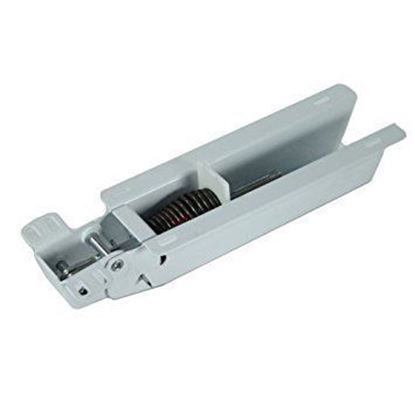 Frigidaire 297321900 Freezer Door Hinge AssemblySpecial Price $71.39 Regular Price $71.95
 -
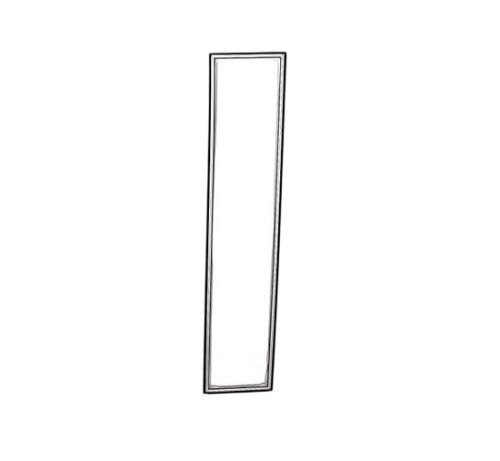 Frigidaire 241786004 Refrigerator Freezer Door GasketSpecial Price $128.48 Regular Price $134.95