
Home Appliance Care Tips: How to Prevent Wear, Damage, and Breakdowns
Home appliances make everyday household tasks easier, from cooking meals and washing dishes to cleaning clothes and preserving food. Because these appliances operate regularly, their components are exposed to heat, moisture, vibration, electrical loads, and repeated use.
Simple care and routine inspections can help reduce unnecessary wear and identify minor problems before they develop into costly breakdowns. Cleaning filters, checking seals, avoiding overloading, maintaining airflow, and following manufacturer instructions are some of the easiest ways to protect appliance performance.
Understand the Main Causes of Home Appliance Wear and Failure
Home appliances can develop problems for many reasons, including poor maintenance, improper operation, electrical issues, environmental conditions, and normal component aging. Understanding these factors can help homeowners take preventive action before a minor issue affects other parts.
Lack of Maintenance
-
Dirty Coils and Filters: Dust, lint, grease, and debris can restrict airflow and force certain components to work harder.
-
Buildup in Water Systems: Food particles, detergent residue, and minerals can interfere with drainage, water flow, spray patterns, and heating.
-
Worn Components: Aging hoses, seals, belts, valves, and connections may deteriorate gradually and eventually affect appliance operation.
Overuse and Improper Operation
-
Overloaded Drums: Excessive laundry loads can increase strain on motors, bearings, belts, and suspension systems.
-
Frequent Back-to-Back Cycles: Heavy daily use can increase operating stress on pumps, motors, compressors, and heating components.
-
Improper Handling: Slamming doors, forcing controls, or using an appliance outside its intended purpose can damage mechanical parts.
Electrical and Environmental Stress
-
Power Surges: Voltage fluctuations can affect electronic controls, sensors, fuses, and circuit boards.
-
Moisture Exposure: Water leaks or excessive moisture can contribute to corrosion and electrical problems.
-
Hard-Water Deposits: Mineral buildup can restrict valves, pumps, water passages, and heating elements.
-
Normal Aging: Repeated heat, friction, movement, and operating cycles can gradually reduce the condition of seals, bearings, belts, and valves.
Homeowner Tip: Notice changes in an appliance's sound, movement, temperature, water flow, or cycle time. Early changes can help identify a developing issue before it causes a complete failure.
Discover dual-purpose kitchen appliances that save time and money.
Key Considerations for Maintaining Different Home Appliances
Each appliance has different operating requirements, so maintenance should focus on the components most exposed to moisture, heat, movement, residue, or continuous operation.
For Refrigerators
-
Inspect the Door Gasket: Look for cracks, gaps, or hardened sections that may prevent a proper seal.
-
Keep Air Vents Clear: Avoid blocking internal vents so cold air can circulate throughout the compartment.
-
Maintain the Exterior Area: Keep the space around the refrigerator clear and follow the manufacturer's instructions for cleaning accessible components.
For Dishwashers
-
Clear the Filter: Remove trapped food particles that can affect drainage and cleaning performance.
-
Check Spray Arm Openings: Inspect the openings for debris that could interfere with water distribution.
-
Examine the Door Seal: Clean away residue and check for deterioration that could allow water to escape.
For Washing Machines
-
Use Appropriate Loads: Keep laundry within the recommended capacity to reduce strain during washing and spinning.
-
Examine Water Hoses: Check supply and drain hoses for cracks, bulges, loose connections, or moisture.
-
Maintain the Door Gasket: Clean the gasket and follow the manufacturer's instructions for preventing residue and moisture buildup.
For Clothes Dryers
-
Remove Lint After Each Load: A clean lint filter helps maintain airflow during drying.
-
Inspect the Exhaust System: Check the venting arrangement periodically and keep it free from accumulated lint.
-
Load the Drum Properly: Avoid packing clothing too tightly so air can circulate effectively.
For Ovens and Ranges
-
Clean Spills Promptly: Remove food residue using cleaning methods approved for the appliance surface.
-
Inspect the Oven Door: Make sure the door closes properly and examine the gasket for visible deterioration.
-
Use Suitable Cleaning Tools: Avoid abrasive products or methods that could scratch or damage cooking surfaces.
Note: Maintenance requirements and recommended intervals vary by appliance model. Always follow the manufacturer's instructions before cleaning, removing components, or performing repairs.
Advantages of Strategic Appliance Care for Homeowners
A consistent maintenance routine can provide practical benefits beyond keeping appliances clean. When filters, vents, seals, and other components remain in good condition, appliances can operate under more suitable conditions.
-
Improved reliability: Regular attention can help keep essential components functioning as intended.
-
Reduced component stress: Proper loading, airflow, and cleaning can limit unnecessary strain during operation.
-
Earlier problem detection: Routine checks can reveal leaks, damaged parts, or unusual operating behavior before they become major issues.
-
Better household efficiency: Well-maintained appliances can avoid performance problems caused by clogged, damaged, or poorly maintained components.
-
Longer useful service: Replacing worn parts and addressing problems promptly can help appliances remain functional for longer.
The financial benefit is also important. Addressing a worn gasket, damaged hose, clogged filter, or failing component early may prevent the issue from affecting other parts of the appliance. Regular care also helps homeowners decide when a repair is appropriate instead of waiting for a complete breakdown.
For dependable appliance operation, homeowners should combine routine cleaning with correct usage, proper installation, adequate ventilation, periodic inspections, and timely component replacement.
Explore the importance of ENERGY STAR ratings in choosing home appliances.
Maintenance Mistakes That Can Shorten Appliance Lifespan
Some maintenance habits can unintentionally create additional wear or damage. Avoiding these mistakes can help homeowners get more reliable performance from their appliances.
Common Appliance Care Mistakes:
Ignoring Manufacturer Maintenance Guidelines: Appliances are designed with specific cleaning,: operating, and service requirements. Skipping recommended maintenance or using procedures that are not approved for a particular model can affect performance and component condition.
Using Incorrect Cleaning Products: Not every surface or component can tolerate the same cleaning solution. Harsh chemicals, abrasive tools, or excessive moisture can damage finishes, gaskets, filters, and other parts.
Use cleaning products and methods recommended by the appliance manufacturer.
Delaying Minor Repairs: A small problem can become more complicated when an appliance continues operating with a damaged or worn component. For example, a deteriorated seal may affect operating efficiency, while a leaking hose can expose surrounding areas to water damage.
Address noticeable problems as soon as practical.
Blocking Appliance Ventilation: Restricted airflow can interfere with the normal operation of appliances that depend on ventilation or heat dissipation.
Examples include:
-
Dryer exhaust systems restricted by lint or debris
-
Refrigerators positioned without adequate clearance
-
Ovens with blocked ventilation openings
Maintaining the required clearance and airflow can help appliances operate under the conditions specified by the manufacturer.
Summary: Protecting Your Appliances With Smart Maintenance Habits
Preventive appliance care does not require complicated procedures. Consistent cleaning, appropriate use, regular inspections, and timely attention to worn components can help homeowners reduce avoidable damage and maintain dependable household equipment.
Key Takeaways:
-
Poor maintenance, overuse, electrical stress, moisture, mineral deposits, and aging components can affect appliance performance.
-
Focus on the parts most exposed to heat, moisture, movement, residue, or airflow restrictions.
-
Use approved cleaning products, follow operating instructions, and maintain proper ventilation.
-
Changes in noise, movement, temperature, water flow, or cycle duration can indicate a developing problem.
-
Replacing damaged seals, hoses, filters, valves, or other compatible parts can help restore proper operation.
Planning a kitchen appliance repair or upgrade? Get premium-quality home and kitchen appliance parts from HnK Parts. Find essential replacement parts for ovens, dishwashers, stoves, ranges, washers, and dryers. Shop compatible parts for top brands like LG, Samsung, Whirlpool, Bosch, GE, and Frigidaire. Order now for convenient repairs and fast shipping.
References:
https://www.consumerreports.org/appliances/
https://lerablog.org/home-and-family/appliances/home-appliance-care-and-maintenance-tips/
https://www.epa.gov/watersense/home-maintenance?
FAQs
How can I prevent common home appliance problems?
Follow the manufacturer's operating instructions, clean components regularly, avoid overloading, maintain proper ventilation, and inspect hoses, seals, filters, and other high-use parts for deterioration.
Can overloading an appliance cause damage?
Yes. Overloading can place additional strain on motors, drums, bearings, pumps, and suspension components. Staying within the manufacturer's recommended capacity can help reduce unnecessary mechanical stress.
Which appliance parts should homeowners inspect regularly?
Frequently used components such as door gaskets, water hoses, filters, vents, spray arms, belts, and accessible connections are worth checking according to the appliance manufacturer's maintenance recommendations.
What are the warning signs of an appliance problem?
Unusual noises, leaks, excessive vibration, unusual odors, inconsistent temperatures, longer cycle times, poor cleaning or drying results, and recurring error codes can indicate that an appliance requires attention.
When should I replace an appliance part?
A component should be considered for replacement when it is visibly damaged, worn, leaking, no longer performing its intended function, or identified as faulty during troubleshooting. Use a compatible replacement part recommended for the specific appliance model.
| Disclaimer: The information provided in this article is for general informational and educational purposes only. Appliance maintenance requirements, replacement intervals, energy use, and safety considerations can vary based on appliance type, model, manufacturer, installation conditions, and individual usage. |
-
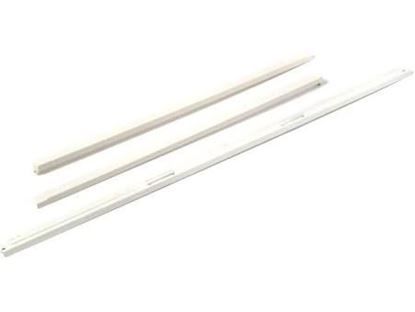 Whirlpool 8184860 Range Door TrimSpecial Price $67.05 Regular Price $93.82
 -
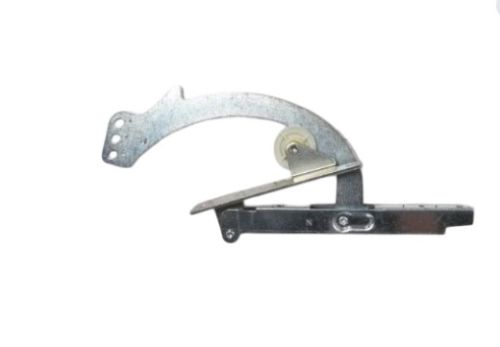 General Electric WB14X104 Range Hinge RightSpecial Price $49.54 Regular Price $60.92
 -
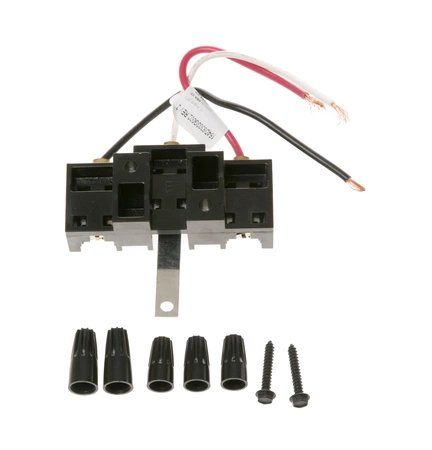 General Electric WB17X5095 Range Main Terminal BlockSpecial Price $64.52 Regular Price $75.95
 -
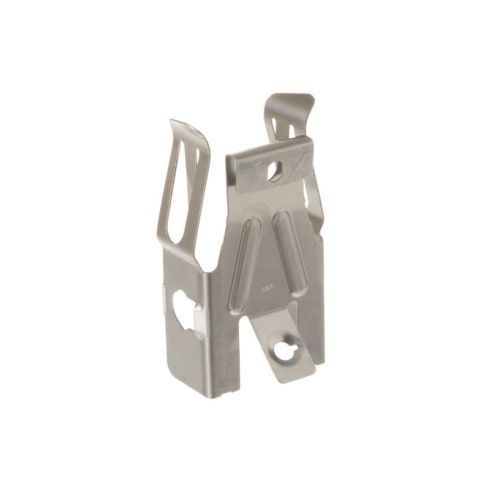 General Electric WB17X211 Range Terminal Block ClipSpecial Price $16.77 Regular Price $18.95