Top 7 Frigidaire Compressor Problems Every Homeowner Should Know
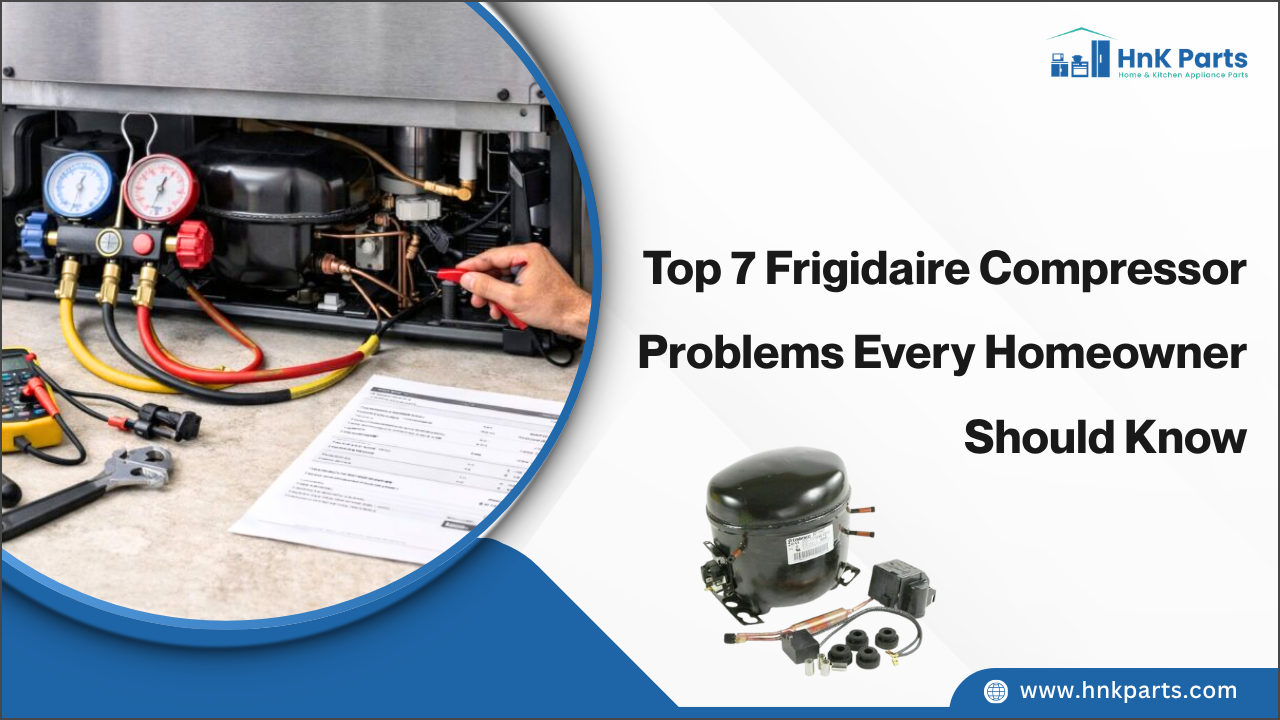
The Frigidaire compressor serves as the core component that circulates refrigerant and supports cooling performance in compatible Frigidaire refrigerators and appliances. It helps maintain proper temperature control by compressing and moving refrigerant through the cooling system.
A Frigidaire compressor helps prevent temperature fluctuations by regulating the appliance’s cooling cycle. If the compressor stops running, becomes noisy, or fails to operate efficiently, it can affect cooling performance and lead to food spoilage or system issues. Understanding the common causes of compressor problems and troubleshooting steps can help you diagnose the issue and choose the right repair solution.
What Does a Frigidaire Refrigerator Compressor Do?
The compressor is a key part of your Frigidaire refrigerator’s cooling system. It compresses refrigerant and circulates it through the sealed system, helping remove heat from inside the appliance and maintain cold temperatures.
A properly working Frigidaire compressor helps:
-
Keep refrigerator and freezer temperatures stable
-
Support efficient cooling performance
-
Reduce energy waste during operation
-
Protect food freshness and quality
-
Maintain smooth appliance function
When the compressor fails, the refrigerator may stop cooling, run continuously, or make unusual noises. Even if the lights and fans are working, a faulty compressor can prevent proper refrigeration.
Looking for Frigidaire refrigerator replacement parts? Shop home appliance repair parts at HnK Parts, including water filters, control boards, thermostats, door handles, compressor parts, and more. Find genuine and compatible replacement parts at competitive prices with fast shipping.
Top 7 Frigidaire Compressor Problems and Their Solutions
Compressor issues can impact cooling performance and efficiency. Identifying problems early helps prevent costly repairs and extend your Frigidaire refrigerator’s lifespan. Common compressor problems and solutions include:
|
Problem |
Causes |
Solutions |
|
Frigidaire Compressor Not Starting |
Faulty start relay, damaged overload protector, or electrical issues |
Inspect the start relay and overload protector, and replace faulty components if necessary. |
|
Frigidaire Refrigerator Not Cooling |
Compressor malfunction, refrigerant issues, or dirty condenser coils |
Clean condenser coils and inspect the compressor and refrigerant system for proper operation. |
|
Refrigerator Compressor Overheating |
Poor ventilation, clogged condenser coils, or prolonged operation |
Ensure adequate airflow around the refrigerator and clean the condenser coils regularly. |
|
Frigidaire Fridge Making Buzzing Noise |
Loose compressor components, electrical problems, or compressor wear |
Check compressor mounting, inspect electrical connections, and replace worn parts if needed. |
|
Refrigerator Compressor Short Cycling |
Faulty thermostat, overheating, or control board issues |
Test the thermostat and electrical components to identify the underlying problem. |
|
Compressor Overload Protector Failure |
Power surges, overheating, or aging electrical components |
Replace the overload protector and address any compressor-related issues causing excessive heat. |
|
Compressor Running Continuously |
Dirty condenser coils, temperature setting issues, or poor door sealing |
Clean the coils, inspect door gaskets, and verify the refrigerator's temperature settings. |
Routine checks of Frigidaire refrigerator parts reduce compressor issues and improve cooling performance.
How to Diagnose Frigidaire Compressor Problems Safely
Before beginning refrigerator compressor troubleshooting, check for common symptoms and possible causes to identify the issue.
Initial Safety and Access
Before inspection, disconnect the refrigerator from power and ensure it is safe to handle.
-
Unplug the Unit: Disconnect the refrigerator from the power outlet.
-
Access the Components: Remove the rear lower panel to access the compressor.
-
Discharge the Capacitor: Safely discharge the start capacitor, if present, before handling any components.
Once the refrigerator is prepared, follow these steps to diagnose compressor problems safely:
1. Check if the Compressor Is Running: Listen for a steady humming sound or feel for slight vibrations to determine whether the compressor is operating.
2. Inspect for Unusual Noises: Clicking, buzzing, or repeated startup attempts may indicate a faulty start relay, overload protector, or compressor failure.
3. Evaluate Cooling Performance: If the refrigerator or freezer is not cooling properly, the compressor may not be circulating refrigerant effectively.
4. Check for Compressor Overheating: Carefully inspect whether the compressor is excessively hot, which may indicate restricted airflow, dirty condenser coils, or internal compressor issues.
5. Inspect the Start Relay and Overload Protector: Remove and examine these components for signs of damage or failure that could prevent the compressor from starting.
6. Observe Compressor Cycling: Frequent starting and stopping (short cycling) may point to compressor, thermostat, or electrical problems.
7. Use a Multimeter if Necessary: Testing electrical continuity and resistance can help determine whether the compressor's electrical components are functioning properly.
Watch to learn the 9 most common refrigerator problems and how to fix them with simple solutions.
How to Prevent Frigidaire Compressor Failure
For effective Frigidaire refrigerator repair, proper care and maintenance can help prevent compressor failure, reduce stress, and improve performance. Here are the key prevention tips:
-
Keep the Refrigerator Level: An uneven refrigerator can affect compressor operation and refrigerant flow. Adjusting the leveling feet helps maintain proper system performance.
-
Avoid Blocking Internal Air Vents: Covered vents restrict cold air circulation, causing the compressor to run longer to maintain temperatures.
-
Allow Hot Food to Cool Before Storage: Placing very hot items inside increases cooling demand and forces the compressor to work harder.
-
Monitor Unusual Performance Changes: Watch for refrigerator compressor failure symptoms like longer run times, temperature changes, and unusual sounds to avoid major damage.
-
Reduce Moisture Buildup: Excess moisture and frost can increase cooling workload and place additional pressure on compressor operation.
-
Keep the Refrigerator Away From Heat Sources: Placement near ovens, direct sunlight, or heat-producing appliances can increase compressor workload.
-
Replace Faulty Refrigerator Components Early: Damaged fans, sensors, or controls can make the compressor operate under unnecessary stress.
-
Maintain Stable Power Supply: Consistent voltage helps protect compressor electrical parts from premature failure.
-
Consult a Professional Technician: If the compressor fails multiple diagnostic checks, professional testing is recommended to confirm whether repair or replacement is necessary.
Find out refrigerator water inlet valve: a complete guide to installation.
Summary: Keep Your Frigidaire Compressor Running Longer
Frigidaire compressor replacement can extend the usability of your refrigerator when the original compressor no longer performs efficiently. Understanding common compressor failures helps you determine when a new unit is the right choice for restoring reliable cooling performance.
Key Takeaways:
-
Maintain Proper Ventilation: Leave adequate space around the refrigerator to promote airflow and prevent compressor overheating.
-
Clean Cooling Components Regularly: Remove dust and debris from the condenser coils to help the compressor operate efficiently.
-
Monitor Cooling Performance: Watch for temperature fluctuations, unusual noises, or longer run cycles that may indicate developing issues.
-
Use Proper Temperature Settings: Avoid setting temperatures lower than necessary, as this can place additional strain on the compressor.
-
Protect Electrical Components: Use a surge protector whenever possible to help minimize damage caused by voltage fluctuations and power interruptions.
-
Perform Preventive Maintenance: Schedule regular Frigidaire refrigerator maintenance to catch minor issues early and support efficient, long-lasting compressor operation.
FAQs
How do I know if my Frigidaire refrigerator compressor is bad?
Poor cooling, unusual noises, and frequent cycling are common signs of compressor failure. The refrigerator may also stop cooling completely.
Why is my Frigidaire compressor clicking but not starting?
A faulty start relay, overload protector, or compressor can cause clicking sounds. Electrical issues may also prevent the compressor from starting.
How much does it cost to replace a Frigidaire refrigerator compressor?
Replacement costs vary by refrigerator model and labor charges. A professional inspection can help determine the best repair option.
What causes a refrigerator compressor to overheat?
Dirty condenser coils, poor ventilation, and continuous operation can cause overheating. Regular maintenance helps prevent compressor damage.
|
Disclaimer: Refrigerator performance and compressor-related issues can vary based on the model, age, and operating conditions of the appliance. The content in this article is for informational purposes only and may not apply to every Frigidaire refrigerator model. |
-
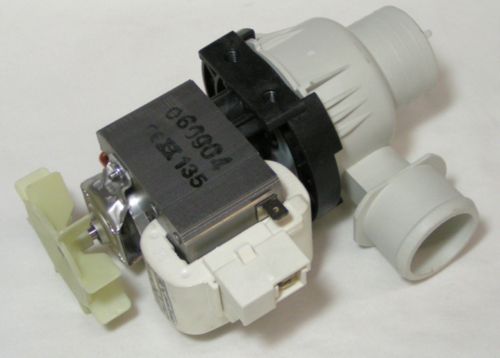 Frigidaire 131268401 Washing Machine Drain Pump AssemblySpecial Price $163.85 Regular Price $175.95
 -
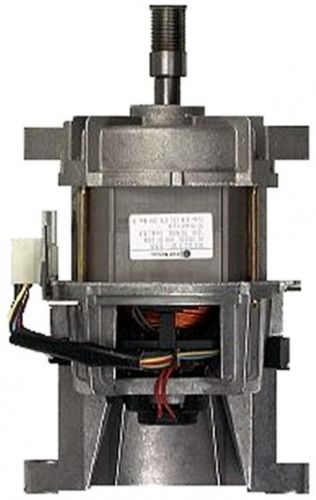 Frigidaire 131276200 Washer MotorSpecial Price $223.27 Regular Price $278.18
 -
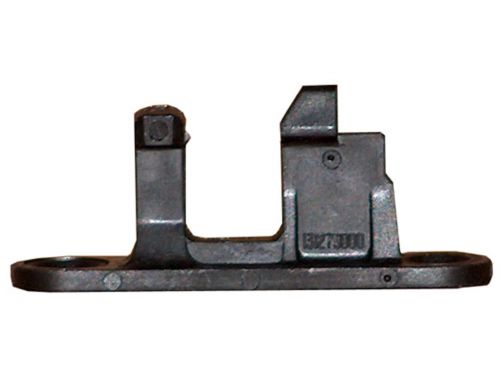 Frigidaire 131279001 Washer Lid Strike BlackSpecial Price $20.41 Regular Price $23.82
 -
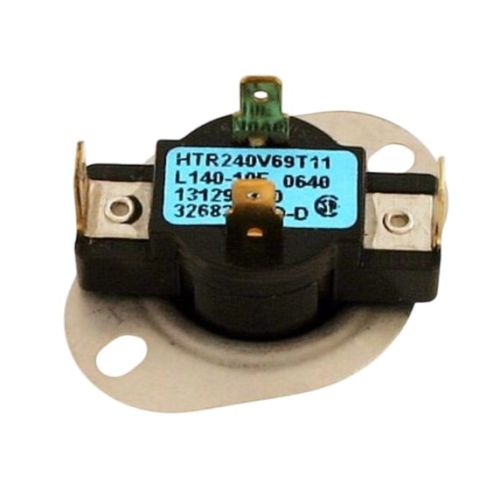 Frigidaire 131298300 Dryer Cycling ThermostatSpecial Price $33.99 Regular Price $47.95