
Next-Gen RGB LED TVs: Elevating Visual Experiences in Modern Living Rooms
Modern televisions have evolved into the centerpiece of smart homes, offering far more than basic entertainment. Next-Gen RGB LED TVs are transforming the viewing experience with exceptional picture quality, vibrant colors, enhanced brightness, and improved energy efficiency, making movies, sports, gaming, and streaming more immersive than ever.
Whether you're upgrading your home entertainment setup or exploring the latest display technology, understanding the features and benefits of Next-Gen RGB LED TVs is essential. This guide highlights their key advantages, important features, buying considerations, and emerging trends to help you choose the right television.
What Are Next-Gen RGB LED TVs and How Do They Work?
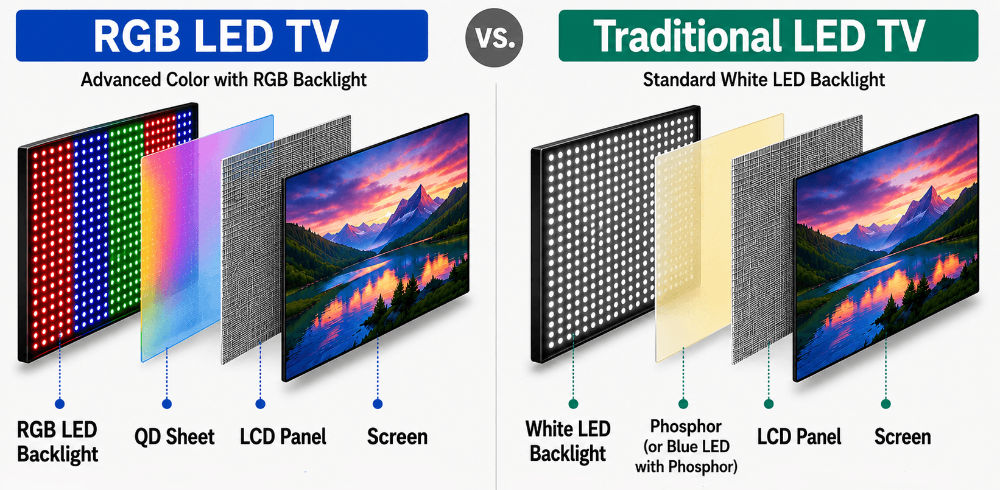
Next-gen RGB LED TVs (also known as RGB mini-LED or true RGB TVs) are LCD TVs that utilize separate red, green, and blue LEDs instead of a single white LED backlight. Each LED is individually controlled, enabling more precise lighting, better color accuracy, and a wider color gamut than traditional LED TVs that rely on a white backlight and color filters.
How Next-Gen RGB LED TVs Work
RGB LED TVs improve the traditional LCD backlighting system through several advanced technologies.
- Advanced Local Dimming: Independently controlled dimming zones adjust brightness according to each scene, creating deeper blacks, stronger contrast, and minimizing blooming around bright objects.
- Improved Light Utilization: RGB LEDs emit light closer to the required wavelengths, allowing LCD color filters to reproduce wider color gamuts, such as DCI-P3 and BT.2020, with greater efficiency.
- AI-Powered Image Processing: Intelligent processors continuously optimize brightness, contrast, HDR tone mapping, and color balance in real time, ensuring consistently sharp, lifelike images across movies, sports, gaming, and streaming content.
- RGB Mini-LED and Micro RGB Technology: RGB mini-LED TVs use thousands of RGB LEDs arranged into local dimming zones behind the LCD panel. Micro RGB TVs use smaller RGB LEDs with higher LED density, enabling finer light control and improved brightness uniformity.
How RGB Backlighting Improves TV Picture Quality Compared to Traditional LED TVs?
The primary difference between RGB LED and traditional LED TVs is the backlight system. This affects overall image quality, including color reproduction, brightness, contrast, and HDR performance.
RGB LED vs. Traditional LED TVs:
|
Feature |
RGB LED TVs |
Traditional LED TVs |
|
Backlight Type |
Dedicated red, green, and blue LEDs with precise local dimming. |
White LEDs (or blue LEDs with phosphor) illuminate the LCD panel. |
|
BT.2020 Color Coverage |
Typically 89.1–92%, producing richer and more realistic colors. |
Typically 70–85%, limiting the reproduction of highly saturated colors. |
|
DCI-P3 Coverage |
Around 95 to 100%, closely matching professional HDR mastering standards. |
Around 90–98%, depending on the panel and quantum dot technology. |
|
Peak HDR Brightness |
Typically 3,000–8,000 nits on flagship models, delivering brighter HDR highlights. |
Typically 500–2,000 nits on most consumer LED TVs, with premium Mini-LED models reaching 3,000–4,000 nits. |
|
Contrast & Black Levels |
Thousands of local dimming zones deliver deeper blacks, stronger contrast, and improved shadow detail. |
Fewer dimming zones result in lower contrast and more visible light leakage. |
|
Color Volume |
Maintains high color saturation even at maximum brightness for consistent HDR performance. |
Color saturation gradually decreases as brightness increases. |
|
Blooming Control |
Advanced dimming algorithms significantly reduce halo effects around bright objects. |
Blooming is more noticeable, particularly in scenes with high contrast. |
|
Viewing Experience |
Delivers more accurate colors, higher brightness, and greater image depth across movies, gaming, and sports. |
Provides good overall performance but with less consistent HDR and color accuracy. |
Note: The BT.2020 and DCI-P3 color coverage percentages, peak HDR brightness (nits), and other performance metrics are approximate values based on current flagship RGB LED and traditional LED TV models
Top Benefits of Next-Gen RGB LED TVs for Modern Viewing Experience
Next-Gen RGB LED TVs feature significant improvements over standard LED TVs through independently controlled RGB backlighting, resulting in better picture quality, viewing comfort, and display performance. Here are the benefits:
- Wider Color Gamut: RGB LEDs produce a broader range of colors with greater BT.2020 coverage, delivering richer visuals and smoother color transitions.
- Superior Color Accuracy: Direct RGB backlighting reproduces colors with greater precision, preserving natural tones and minimizing color distortion in bright scenes.
- Higher Peak Brightness: RGB backlighting delivers brighter highlights and maintains color saturation, improving HDR performance and visibility in well-lit rooms.
- Improved Contrast and Reduced Blooming: Independently controlled dimming zones create deeper blacks, enhance shadow detail, and minimize halo effects around bright objects.
- Wider Viewing Angles: RGB LED technology maintains more consistent brightness and color across different viewing positions for a better viewing experience.
- No Burn-In Risk: Since RGB LED TVs use an LCD panel with RGB backlighting instead of self-emissive pixels, they are resistant to permanent image burn-in from static content.
- Brighter and Detailed HDR: Higher brightness, accurate color reproduction, and advanced local dimming combine to deliver more realistic HDR images with greater depth and detail.
How to Choose the Best RGB LED TV for Your Home for Optimal Picture Quality?
Although RGB LED TVs offer premium picture quality, comparing key specifications will help you select the best model for your viewing needs:
- Screen Size: Select a screen size that suits your viewing distance and room dimensions. Larger TVs create a more immersive viewing experience but require adequate seating distance.
- HDR Performance: Look for support for HDR10, HDR10+, or Dolby Vision. Higher HDR brightness allows highlights and colors to appear more realistic.
- Local Dimming Zones: Models with more dimming zones provide deeper blacks, stronger contrast, and better shadow detail while minimizing blooming.
- Refresh Rate: A native 120Hz or 144Hz refresh rate is ideal for gaming and sports, delivering smoother motion and reduced blur.
- Color Gamut: Premium RGB LED TVs reproduce a wider DCI-P3 and BT.2020 color range, producing richer and more lifelike images.
- Gaming Features: For gaming, choose models with HDMI 2.1, Variable Refresh Rate (VRR), Auto Low Latency Mode (ALLM), and low input lag.
- Smart TV Platform: A responsive operating system with regular updates, voice assistant support, and access to popular streaming apps ensures a better user experience.
For example, several leading TV manufacturers have introduced or announced RGB LED TVs as part of their premium display lineup:
- Samsung has showcased RGB display technologies, including a 115-inch Micro RGB TV, a 130-inch RGB LED prototype, and second-generation Micro RGB TVs in sizes ranging from 55 to 115 inches.
- Hisense has introduced the 116UX RGB Mini-LED TV and announced the UR8 and UR9 Series RGB Mini-LED TVs, available in sizes from 55 to 100 inches.
- LG has announced the MRGB95B Micro RGB Evo TV, with screen sizes ranging from 75 to 100 inches
These models represent the latest and upcoming RGB LED and RGB Mini-LED television technologies focused on improved color accuracy, brightness, and HDR performance.
Summary: The Future of RGB LED Display Technology for Modern Homes
RGB LED technology is transforming LCD televisions by improving color reproduction and backlight control while preserving the reliability of LCD panels. As RGB backlighting advances, it is expected to narrow the gap with premium display technologies, delivering enhanced visual performance to a wider range of consumers.
Key Takeaways
- RGB LED TVs improve LCD performance with independently controlled RGB backlighting.
- Local dimming zones provide more precise light control and cleaner image reproduction.
- RGB backlighting enhances color volume while maintaining accuracy at high brightness.
- The technology is well suited for HDR movies, gaming, sports, and large-screen viewing.
- RGB LED TVs combine premium picture quality with the durability of LCD technology.
- Wider adoption is expected to make RGB LED TVs more affordable in the coming years
Looking to upgrade or repair your TV with high-quality replacement parts? Find premium TV replacement parts, including LED backlight strips, power supply boards, main boards, T-con boards, remote controls, and other home appliance repair parts from HnK Parts. Our parts are compatible with leading brands such as Samsung, LG, Sony, TCL, and Vizio. Order online for reliable repairs and fast shipping.
References:
https://pmc.ncbi.nlm.nih.gov/articles/PMC7303200/
https://entertainment.slashdot.org/story/25/03/19/0743248/sony-unveils-rgb-led-backlight-tech-that-outperforms-traditional-mini-led
https://www.consumerreports.org/electronics-computers/tvs/qled-vs-oled-and-qd-oled-which-tv-tech-is-right-for-you-a6691090566/
FAQs
Are RGB LED TVs better than regular LED TVs?
Yes. RGB LED TVs typically offer better color accuracy, improved brightness, a wider color gamut, and enhanced HDR performance compared to conventional LED TVs that utilize white LED backlighting.
Are RGB LED TVs good for gaming?
Absolutely. Many models feature high refresh rates, HDMI 2.1, Variable Refresh Rate (VRR), Auto Low Latency Mode (ALLM), and low input lag, making them excellent for console and PC gaming.
Do RGB LED TVs support 4K and 8K resolutions?
Yes. Most next-generation RGB LED TVs are available in 4K Ultra HD, and premium models are increasingly offering 8K resolution for future-ready viewing.
Are RGB LED TVs energy efficient?
Yes. Modern RGB LED TVs often include AI-powered brightness management, eco modes, and efficient backlighting systems that help reduce energy consumption without compromising picture quality.
What is the ideal screen size for a living room?
The ideal size depends on your viewing distance. For many households, 55-inch to 75-inch models provide an immersive experience, while larger rooms may benefit from 85-inch or bigger screens.
| Disclaimer: This article is provided for general informational and educational purposes only. Features, specifications, compatibility and performance may vary depending on manufacturers, models, regions, and future updates in television technologies. |
-
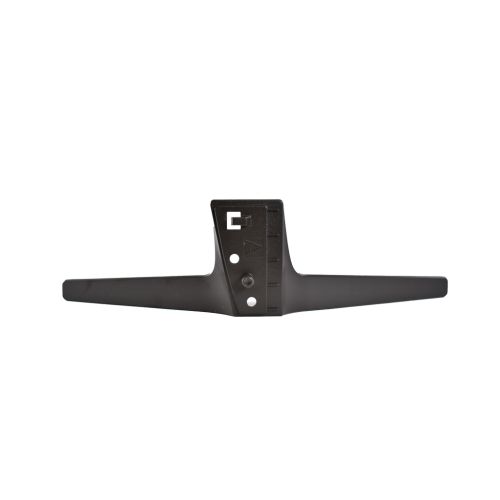 LG AAN75851207 TV Base AssemblySpecial Price $20.96 Regular Price $21.15
 -
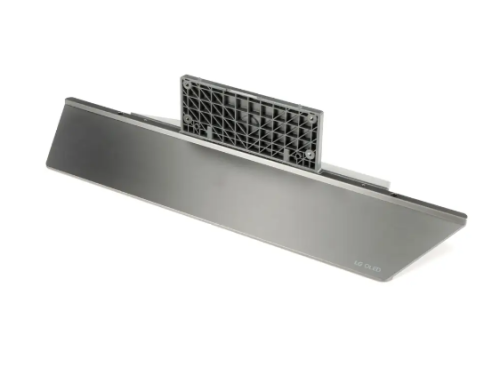 LG AAN76408801 TV Base AssemblySpecial Price $153.05 Regular Price $175.95
 -
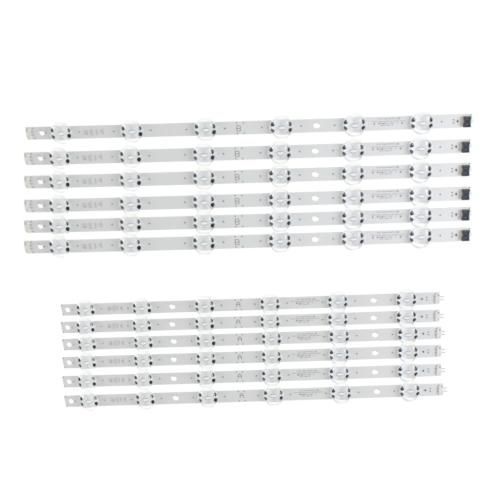 LG AGF30027303 TV LED Array Package AssemblySpecial Price $139.62 Regular Price $155.95
 -
 Panasonic TTP5ZA0013 TV LED Panel AssemblySpecial Price $31.66 Regular Price $32.95
 -
 Samsung BP07-00031A TV LED Display-BlueSpecial Price $142.42 Regular Price $160.95