How to Troubleshoot a Crock-Pot Pressure Cooker like a Pro
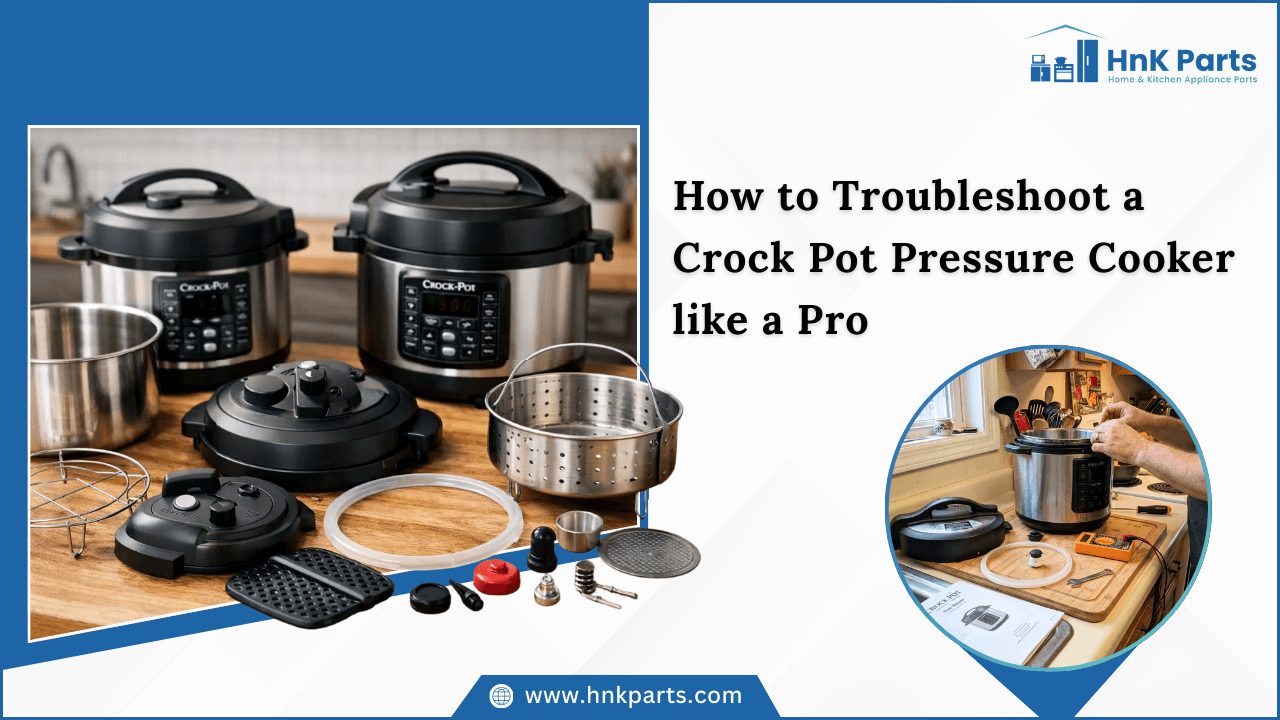
Frustrating error codes or a stubborn lid shouldn’t ruin your dinner plans. While the Crock-Pot is a kitchen powerhouse, even the best multi-cookers face pressure leaks or display glitches. Whether you're staring at a "Burn" message or wondering why your Crock-Pot pressure cooker won't turn on, mastering a few expert diagnostic steps can save your meal. In this Crock-Pot pressure cooker troubleshooting guide, we’ll break down everything from sealing ring maintenance to resolving power failures. Ready to stop guessing and start cooking? Let’s dive into how to troubleshoot your Crock-Pot pressure cooker parts like a seasoned pro.
Understanding How a Crock-Pot Pressure Cooker Works and Its Safety System
To troubleshoot effectively, you must first understand the mechanics behind your appliance. A Crock-Pot Pressure Cooker operates as a sealed, sensor-controlled steam chamber. By trapping steam, it increases internal pressure and raises the boiling point of water from 212°F (100°C) to approximately 250°F (121°C), dramatically reducing cook times.
The Core Mechanics: To troubleshoot effectively, you need a clear understanding of the three core principles that allow the unit to pressurize and cook efficiently.
-
Airtight Seal: The sealing gasket (a silicone ring) creates a hermetic seal between the lid and the pot. Without a perfect seal, pressure cannot build.
-
Liquid Requirement: At least 1 cup (8 oz) of water-based liquid is necessary to generate the steam needed for pressurization.
-
The "Heat" Phase: During the initial cycle, the display will show "HEAT" while the unit builds pressure. The timer only starts counting down once full pressure is achieved.
Redundant Safety Systems: Modern Crock-Pot pressure cookers feature multiple layers of protection to ensure safe operation:
-
Lid Locking Mechanism: A safety pin prevents the lid from being opened whenever the unit is under pressure.
-
Bobber Valve (Float Valve): This small valve rises as pressure builds, physically locking the lid. It drops only when the unit has safely depressurized.
-
Pressure Regulator (Steam Release Valve): This primary valve regulates internal pressure by releasing small amounts of excess steam during cooking.
-
Emergency Safety Valve: A backup spring-loaded valve or "over-pressure plug" that automatically opens to release a large volume of steam if the primary regulator fails or becomes blocked.
-
Notification Codes: The control panel monitors sensors and will display specific "E" codes (e.g., E3 for sealing issues or E6 for insufficient liquid) to stop the cooking cycle before a hazard occurs.
Need reliable home and kitchen appliance parts fast? Shop HnK Parts for high-quality OEM and compatible replacements—from pressure cooker gaskets and valves to heating elements and control boards. Enjoy precision-fit parts, competitive pricing, dependable stock, and fast shipping. Shop now and fix it right the first time.
How to Troubleshoot Power, Display, and Control Panel Issues in a Crock-Pot Pressure Cooker
When your Crock-Pot pressure cooker experiences power or control panel failures, the root cause is often a temporary electronic glitch, loose connection, or safety interlock, not necessarily a major hardware failure. A structured diagnostic approach helps you isolate the issue quickly and avoid unnecessary part replacements.
Initial Power Troubleshooting: Before assuming an internal defect, start with external checks:
-
Verify the Outlet: Plug the unit directly into a wall outlet, as it draws about 8–12 amps and may not function properly on a power strip. Test the outlet with another small appliance to ensure it’s supplying power before suspecting the cooker.
-
Check the Cord Connection: For detachable cord models, make sure the plug is firmly seated in the cooker’s base. Remove and securely reinsert it, as loose connections are a common cause of intermittent power issues.
-
Inspect for Physical Damage: Inspect the cord for frayed wires, bent prongs, or melted insulation near the plug and where it enters the base. If you notice any visible damage, stop using the unit immediately and replace the cord to prevent electrical hazards.
Resetting the Control Panel: If the display shows flashing lights, dashes, or becomes unresponsive, perform a reset to clear the internal microcontroller.
-
Standard Power Cycle: Unplug the cooker and wait 5–10 minutes to allow the internal capacitors to fully discharge. Then plug it back in and power the unit on to complete the reset.
-
Discharge Residual Power: While unplugged, press and hold the Power or Cancel button for 30 seconds.
-
Button Recovery Method: Hold the Cancel button while plugging the unit back in, and continue holding it for about 3 seconds after the power connects. This reset method often clears frozen displays and minor logic glitches.
Diagnosing Unresponsive Buttons: If the unit powers on but buttons fail to respond:
-
Clean the Interface: Wipe the control panel with a dry microfiber cloth. If needed, spray cleaner onto the cloth—not directly on the panel—to prevent moisture damage.
-
Check for Stuck Buttons: Ensure no button is physically jammed in the pressed position.
-
Allow Cooling Time: After cooking, thermal protection may temporarily disable the controls. Allow the unit to cool for 10–15 minutes before restarting. Moisture intrusion or heat buildup are common causes of temporary control lockouts.
Explore the ultimate guide to replacing Crock-Pot cooker parts at home, which covers identifying faulty parts and replacing them safely for reliable performance.
Diagnosing Pressure Build-Up, Steam Leaks, and Sealing Problems
Failure to pressurize accounts for the majority of Crock-Pot pressure cooker problems. In most cases, the cause is a faulty seal, incorrect valve position, low liquid levels, or overfilling.
-
Diagnosing Steam Leaks: If steam is escaping, check where it’s coming from. Leaks around the lid rim usually mean the sealing ring is misaligned, dirty, or worn. Continuous steam from the release valve suggests it’s set to “Release” or blocked by debris. If steam sputters from the float valve and the Crock-Pot pressure cooker won't open, the valve or its silicone cap may be stuck or missing.
-
Sealing Ring (Gasket) Checklist: The sealing ring is key to proper pressure build-up. Inspect it for cracks, thinning, or pinched spots, and ensure it’s firmly seated in the lid track. Clean off any grease or food residue from the ring and pot rim. Replace the gasket every 12–18 months, as it naturally loses elasticity over time.
-
Pressure Build-Up Solutions: Use at least 1 cup (8 oz) of thin liquid, as thick sauces can trigger Burn errors. Ensure the lid is fully rotated to the locked position. If minor steam escapes, gently press the lid for a few seconds to help complete the seal.
By checking the gasket, valves, liquid amount, and lid alignment, you can resolve most pressure-related problems quickly and safely.
Troubleshooting Cooking Errors, Burn Messages, and Temperature Issues
When your Crock-Pot stops mid-cycle or displays an error, it is usually a protective measure to prevent ruined food or hardware damage.
The Infamous “Burn” Message: The "Burn" or E6 error triggers when the bottom sensor detects temperatures exceeding the safe threshold.
-
Insufficient Liquid: Ensure there is at least 1 cup of thin liquid. Thicker sauces (like BBQ or tomato sauce) should be layered on top and not stirred into the bottom.
-
Debris on Heating Element: Food stuck to the bottom of the inner pot or the heating plate can cause "hot spots." Scrub the inner pot well, especially after using the Brown/Sauté function.
-
Deglazing is Key: After sautéing, always deglaze the pot by adding liquid and scraping up browned bits before starting the pressure cycle.
Temperature Inconsistencies: Temperature issues can affect cooking results.
-
Food Underdone: This often occurs if the pot was overfilled. Never exceed the "MAX" line, and for expanding foods like rice or beans, only fill to the halfway mark.
-
Food Overcooked: Ensure you are using the correct steam release method. Use Natural Release (letting it sit for 10-15 minutes) for meats to keep them tender, and Quick Release for delicate vegetables to prevent mushiness.
-
Cold Start: Using frozen meat without adjusting the timer can lead to undercooking. Increase the manual cook time by roughly 50% for frozen items.
Summary: Mastering Crock-Pot Pressure Cooker Troubleshooting Like a Pro
Understanding that a Crock-Pot pressure cooker is a precision-controlled pressure system helps set realistic expectations for its care and performance. Most Crock-Pot pressure cooker problems—whether steam leaks, burn errors, or pressure failures—stem from simple maintenance oversights rather than major mechanical faults. By routinely inspecting sealing components, keeping heating surfaces clean, and interpreting error codes correctly, you can prevent minor issues from turning into cooking disruptions and ensure consistent, safe operation.
Key Takeaways:
-
Regularly inspect and replace the sealing ring if it retains strong odors, feels loose, or loses elasticity to maintain a proper airtight seal.
-
Keep the steam release valve clear by using a toothpick or small brush to remove food debris and prevent pressure blockages.
-
Clean the inner pot and heating surface thoroughly, especially after sautéing, to eliminate hot spots that trigger "Burn" messages.
-
Store the lid upside down on the pot to prevent gasket compression and extend its lifespan.
-
Understanding error codes and following a structured troubleshooting approach allows you to resolve problems quickly and cook with confidence every time.
FAQs
What to do if the pressure cooker won't pressurize?
First, check that the sealing ring is properly seated and not damaged. Ensure the steam release valve is set to “Sealing,” and confirm you’ve added at least 1 cup of thin liquid. Also, verify the lid is fully locked and the float valve moves freely. Most pressurizing issues are caused by steam leaks or insufficient liquid.
Is there a way to reset a Crock-Pot?
Yes. Unplug the unit and wait 5–10 minutes to allow internal components to reset. For a deeper reset, hold the Cancel button while plugging it back in and continue holding for a few seconds. This often clears minor display or control glitches.
How to tell if a Crock-Pot is broken?
Signs of a serious issue include no power despite a working outlet, repeated error codes after resets, failure to heat, or persistent inability to build pressure even after replacing the gasket. If these problems continue, the control board or internal sensor may be faulty and require repair or replacement.
| Disclaimer: The information provided in this blog is for general informational and educational purposes only. It is not intended as professional repair advice or a substitute for the manufacturer’s instructions. Always refer to your Crock-Pot owner’s manual and follow recommended safety guidelines before performing any maintenance or troubleshooting. |
-
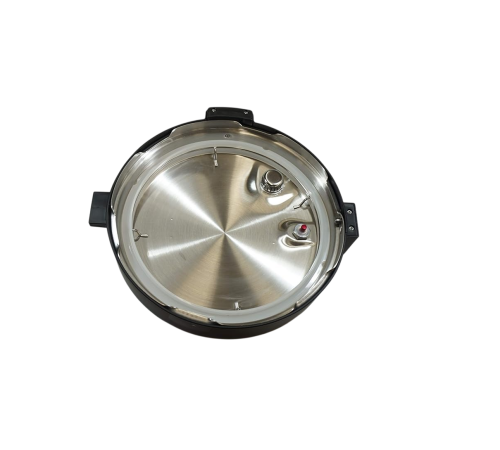 Crock Pot 193526000000 Slow Cooker Steam Release Lid AssemblySpecial Price $49.00 Regular Price $50.00
 -
 CROCK POT 7110050100064 Slow Cooker Kitchenware Stoneware-5 QuartsSpecial Price $58.43 Regular Price $64.31
 -
 Crock Pot 170757000000 Slow Cooker Autostir Motor AssemblySpecial Price $37.11 Regular Price $40.85
 -
 Crock Pot 183601000000 Slow Cooker Stoneware 1.25 QuartsSpecial Price $31.13 Regular Price $34.26
 -
 CROCK POT 196079000000 Slow Cooker Cooking PotSpecial Price $37.08 Regular Price $40.82