
Washer Detergent Dispenser Problems: Common Issues and How to Fix Them
A washer detergent dispenser is a small but essential component of modern washing machines. It releases detergent at the correct time and in the proper amount, helping ensure clothes are cleaned thoroughly and smell fresh. When the detergent dispenser stops working correctly, it can cause poor wash results, detergent buildup, leaks, or unpleasant odors. These problems are more common than many homeowners expect and can affect both top-load and front-load washers, including popular models like Whirlpool.
In this detailed guide, we’ll explore common washer detergent dispenser problems, explain their causes, and provide clear, practical solutions. You’ll also learn how to clean a washing machine detergent dispenser, what to do if your washer doesn’t have one, and where to put detergent without a dispenser to keep your washer running efficiently.
How a Washer Detergent Dispenser Works
The washer detergent dispenser is engineered to hold detergent securely and release it only when the washing machine reaches the correct stage of the wash cycle. Proper operation ensures effective cleaning, correct chemical dilution, and prevention of detergent residue on clothing. Below is a clear breakdown of how the system functions:
-
Detergent Storage Until Activation: The dispenser holds detergent in a dedicated compartment until the control system signals release during the appropriate wash phase.
-
Multiple Compartment Design: A standard washing machine detergent dispenser includes separate sections for pre-wash detergent, main wash detergent, and fabric softener. Each compartment is isolated to prevent mixing before use.
-
Controlled Water Flow: Water inlet valves open at specific times during the cycle, directing water into the correct dispenser compartment. This controlled flow dissolves the detergent and flushes it into the drum.
-
Electronic Timing and Sensors: In advanced units, such as a Whirlpool washer detergent dispenser, electronic control boards and sensors manage precise timing and water volume to ensure proper detergent dilution and release.
-
Even Detergent Distribution: When functioning correctly, the system distributes detergent evenly throughout the drum, maximizing cleaning performance and preventing buildup on fabrics.
-
Common Causes of Disruption: Detergent residue buildup, hardened detergent, restricted water flow, or mechanical failures can prevent proper dispensing, negatively affecting wash quality and overall machine performance.
Understanding this process helps identify dispenser-related issues early and supports effective washing machine troubleshooting and maintenance.
Looking for dependable home and kitchen repair parts you can trust? HnK Parts offers a complete range of high-quality replacement parts for washers, dryers, refrigerators, ovens, and other major home appliances. With fast shipping, expert support, and competitive pricing, we make it simple to find the right part and get your appliance back to peak performance quickly and reliably.
Most Common Washer Detergent Dispenser Problems
Several recurring issues affect washer detergent dispensers across brands and models. The most common problems include:
-
Detergent Not Dispensing Properly: One of the most frequent complaints is detergent remaining in the dispenser after the cycle ends. This often results from clogged trays, low water pressure, or hardened detergent residue.
-
Detergent Leaking Out: Overfilling the compartment or using incorrect detergent types can cause spills and leaks, leading to residue buildup and potential damage to the washer parts.
-
Clogged or Gummed-Up Dispenser: Liquid detergent and fabric softener can thicken over time, blocking the dispenser’s siphon system and preventing proper release.
-
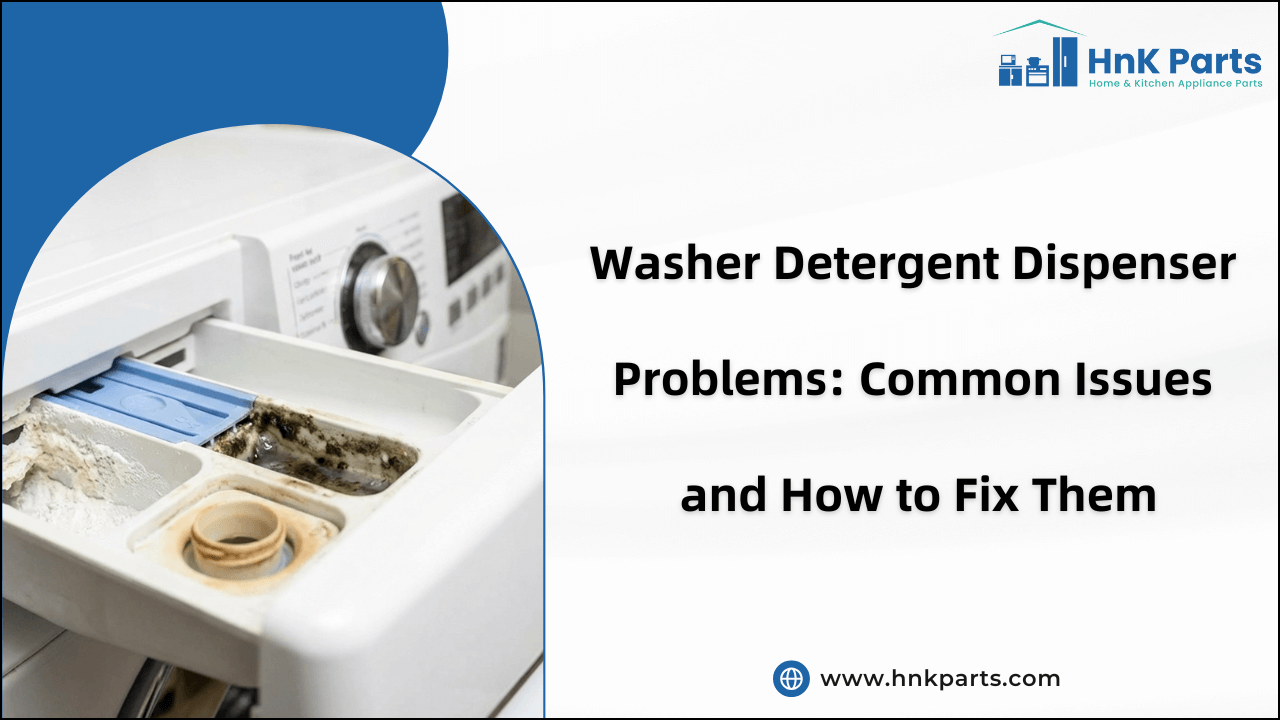
Mold and Mildew Growth: Moist environments inside the washing machine detergent dispenser create ideal conditions for mold, leading to unpleasant odors and hygiene concerns.
-
Water Not Entering the Dispenser: If water does not flow through the dispenser, detergent cannot be flushed into the drum. This issue may be related to blocked inlet holes or faulty solenoid valves.
-
Brand-Specific Design Issues: Some Whirlpool washer detergent dispenser models, for example, are more sensitive to detergent type and water pressure, making correct usage especially important.
Explore 10 most common washing machine problems and solutions: understand the issues homeowners face most often as we break down each problem, its causes, and the practical fixes that help keep your washing machine running smoothly.
What Causes Washer Detergent Dispenser Issues
Understanding the root causes of dispenser problems can help prevent repeat failures. The most common causes include:
-
Using Too Much Detergent: Excess detergent leads to buildup, clogging, and inefficient rinsing. High-efficiency washers require significantly less detergent than traditional models.
-
Incorrect Detergent Type: Powder detergent may not dissolve fully in cold water, while thick liquid detergents can harden over time. Using non-HE detergent in HE machines is a frequent cause of washer detergent dispenser problems.
-
Hard Water Deposits: Minerals in hard water accumulate inside the dispenser, restricting water flow and reducing performance.
-
Lack of Regular Cleaning: Neglecting routine maintenance allows residue, mold, and mildew to develop.
-
Low Water Pressure: Insufficient water pressure prevents the dispenser from flushing detergent into the drum effectively.
-
Mechanical or Electrical Faults: Damaged valves, sensors, or control boards may interrupt the dispenser’s operation, especially in electronically controlled washers.
How to Fix Washer Detergent Dispenser Problems
Fortunately, many washer detergent dispenser issues can be resolved without professional repair. Below are step-by-step solutions for the most common problems.
Step 1: Clean the Detergent Dispenser Thoroughly
Cleaning is often the most effective fix. Remove the dispenser tray (most slide out easily) and soak it in warm water mixed with mild detergent or white vinegar. Use a soft brush to remove residue from corners and siphon tubes.
This process addresses buildup and answers the common question of how to clean detergent dispensers in washing machine systems effectively.
Step 2: Check Water Inlet Holes
Inspect the small holes above the dispenser where water flows in. Use a toothpick or soft brush to remove mineral deposits or debris blocking these openings.
Step 3: Use the Correct Detergent and Quantity
Always follow manufacturer guidelines for detergent type and dosage. For HE washers, use only HE-labeled detergent. Avoid overfilling the compartment to prevent leaks and clogs.
Step 4: Flush the Dispenser System
Run an empty wash cycle with hot water and vinegar to dissolve internal residue. This helps restore proper flow within the washing machine detergent dispenser.
Step 5: Inspect for Mechanical Issues
If cleaning does not resolve the issue, inspect valves and hoses for damage. In some cases, a faulty solenoid valve may prevent water from entering the dispenser. At this point, professional service may be required.
Step 6: Temporary Workarounds
If the dispenser is not functional, you can still wash clothes effectively. Understanding how to use liquid detergent in a washing machine without a dispenser can help until repairs are made.
How to Prevent Future Detergent Dispenser Issues
Preventive maintenance significantly reduces the likelihood of recurring dispenser problems. Implement the following best practices:
-
Clean the Dispenser Monthly: Regular cleaning prevents residue buildup and mold growth.
-
Use the Right Detergent: Choose detergents compatible with your washer type and avoid thick or low-quality formulations.
-
Avoid Overfilling: Measure detergent accurately to prevent overflow and clogging.
-
Leave the Dispenser Open After Use: Allowing airflow helps reduce moisture and inhibits mold formation.
-
Run Maintenance Cycles: Periodically run hot-water cycles with washer cleaner or vinegar to dissolve internal deposits.
-
Monitor Water Pressure: Ensure household water pressure meets the washer’s requirements for proper dispenser operation.
By following these steps, you can extend the life of your washer detergent dispenser and maintain consistent wash quality.
Check out how to clean washing machine: ultimate guide and learn step-by-step methods to deep clean your washing machine as we cover buildup causes, cleaning techniques for different machine types, and maintenance tips to keep it fresh and efficient.
Conclusion: Keeping Your Washer Detergent Dispenser Working Properly
A detergent dispenser may seem like a small washer part, but it plays a critical role in wash quality, fabric care, and overall washing machine efficiency. By understanding how the washer detergent dispenser works, identifying common washer detergent dispenser problems, and applying correct maintenance practices, users can prevent many avoidable issues and extend the lifespan of their appliance.
Key takeaways include:
-
Understanding the washing machine detergent dispenser mechanism helps diagnose dispensing failures more quickly.
-
Detergent buildup, hard water deposits, and incorrect detergent usage are leading causes of dispenser problems.
-
Regular cleaning is the most effective solution for restoring proper detergent flow and preventing mold or residue.
-
Using the correct detergent type and quantity improves performance, especially in brand-specific systems like the Whirlpool washer detergent dispenser.
-
Preventive maintenance reduces the need for repairs and ensures consistent detergent delivery during every wash cycle.
Whether you are learning how to clean the detergent dispenser in washing machine systems, figuring out where to put detergent in a washer without a dispenser, or managing recurring dispenser issues, a proactive and informed approach is essential. With proper care and timely troubleshooting, your washer detergent dispenser can continue to operate efficiently—saving detergent, energy, and time while delivering consistently clean laundry.
FAQs
How to use liquid detergent in washing machine without dispenser?
Pour the measured liquid detergent directly into the washer drum before adding clothes to ensure even distribution.
How to clean detergent dispenser in washing machine
Remove the dispenser tray, soak it in warm water with vinegar, scrub gently, and rinse thoroughly before reinstalling.
Where to put detergent in washer without dispenser
If no dispenser is available, add detergent straight into the drum, avoiding direct contact with dry clothes when possible.
-
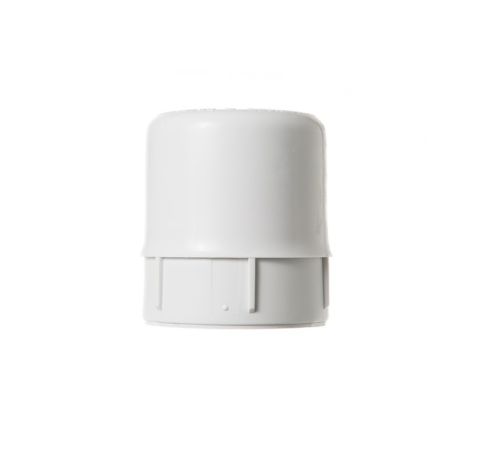 General Electric WH43X139 Washer Fabric Softener Dispenser Cup AssemblySpecial Price $20.47 Regular Price $21.04
 -
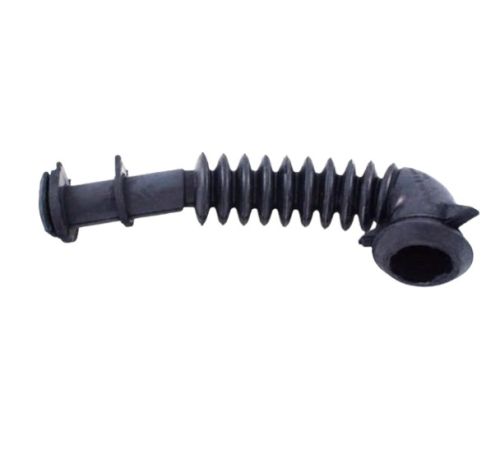 Frigidaire 131271600 Washing Machine Dispenser Tub HoseSpecial Price $60.06 Regular Price $66.66
 -
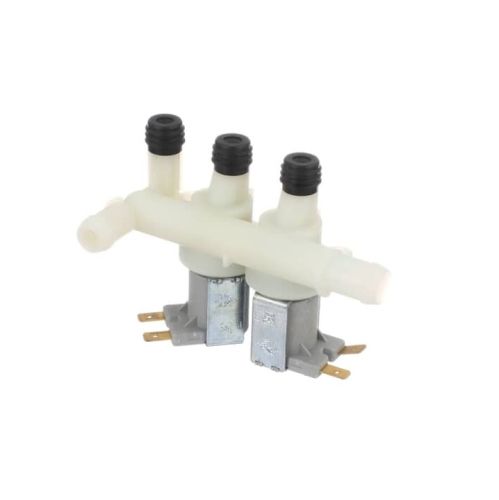 Frigidaire 131974700 Washing Machine Dispenser Valve AssemblySpecial Price $71.78 Regular Price $71.95
 -
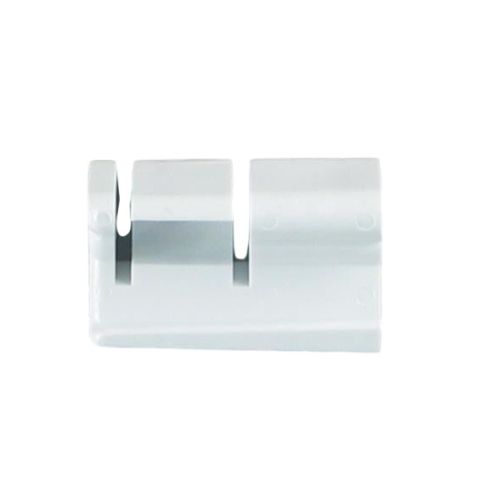 General Electric WR2X4140 Refrigerator Dispenser Blade RestSpecial Price $16.77 Regular Price $18.95
 -
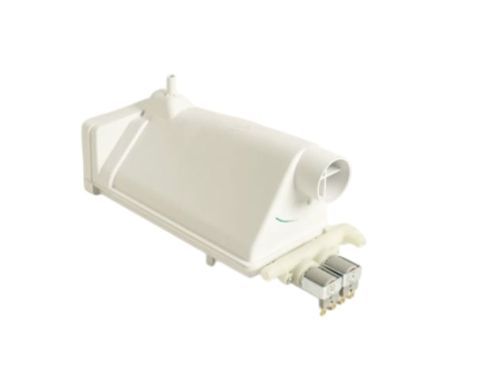 Speed Queen 685756P Washer Dispenser Mold W/ValvesSpecial Price $68.50 Regular Price $70.59