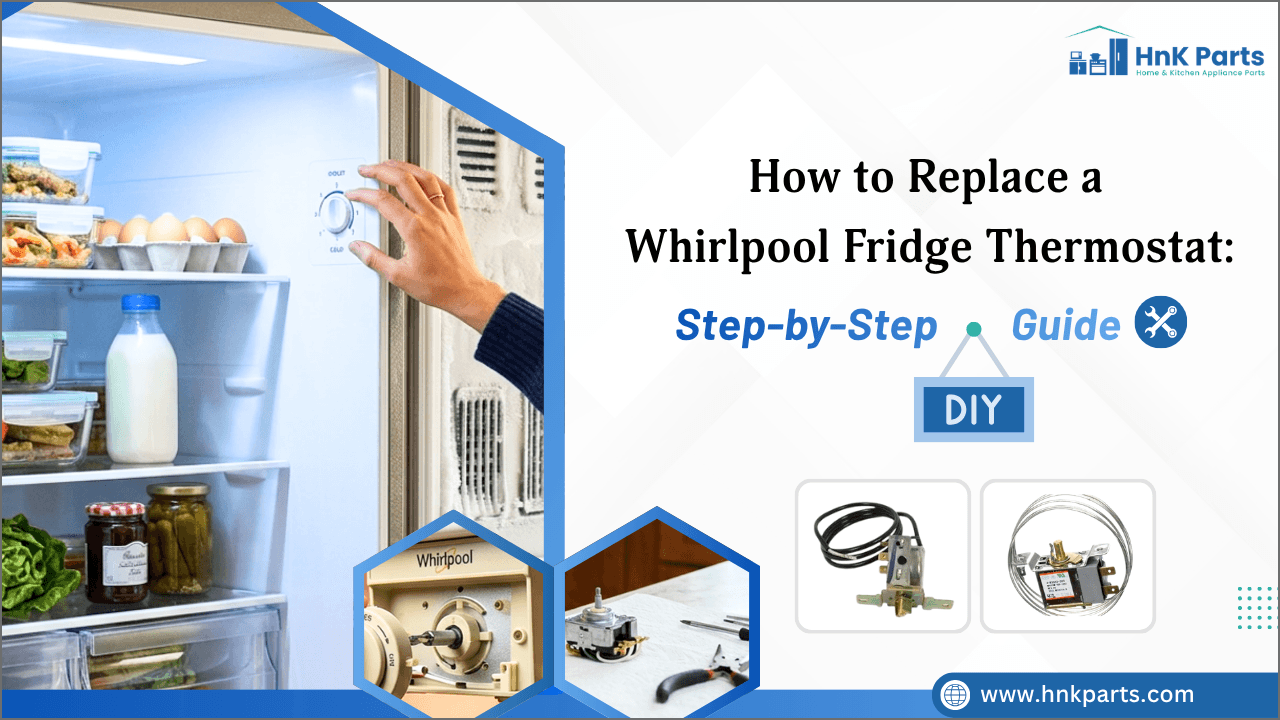
How to Replace a Whirlpool Fridge Thermostat: Step-by-Step DIY Guide
A malfunctioning thermostat can quickly turn a Whirlpool refrigerator from a dependable appliance into a food-spoiling headache. Studies from appliance repair data show that around 10–12% of refrigerator cooling failures are linked to a faulty thermostat, making it one of the most common replaceable parts in cooling issues. When it fails, you may notice uneven cooling, constant running, or sudden temperature swings that affect food safety.
This step-by-step guide focuses on identifying thermostat failure, safely replacing the faulty component, and avoiding installation mistakes. By addressing issues like “Whirlpool fridge not maintaining temperature” or “freezer too warm,” you can restore proper cooling.
Whirlpool Fridge Not Cooling: Thermostat Failure Signs You Might Be Missing
Before replacing any parts, first confirm whether the issue is a Whirlpool fridge not cooling properly or maintaining a stable temperature. The thermostat controls the compressor based on temperature readings. When it fails, it can mimic other cooling issues. Here are some hidden warning signs:
|
Issue |
Frequency of Occurrence |
Parts Affected |
|
Fridge not cold enough despite running |
~28% |
Thermostat, temperature sensor, compressor cycling system |
|
Cooling improves after reset but fails again |
~18% |
Thermostat contacts, control board interface |
|
Freezer works but fridge section warms up |
~22% |
Thermostat, air damper, airflow control system |
|
Compressor running irregularly or inconsistently |
~17% |
Thermostat, compressor relay, control system |
|
No response to temperature adjustments |
~15% |
Thermostat switch, internal electrical contacts |
Let’s look at Whirlpool fridge thermostat warning signs in detail:
Sign 1: “Fridge feels cool but not cold enough” during normal use
Food remains slightly chilled but never reaches proper refrigeration temperature, even when settings are unchanged. This often points to weak or inaccurate thermostat sensing.
Sign 2: Cooling improves temporarily after unplugging or resetting
The refrigerator may work normally for a short period after a reset, then gradually return to unstable cooling, indicating inconsistent thermostat control.
Sign 3: Freezer cold but fridge section slowly warms up
The freezer continues to function normally while the refrigerator compartment loses cooling over time, suggesting improper cycling regulation.
Sign 4: Compressor behavior feels irregular or unstable
Instead of smooth cycles, the compressor may run longer than usual, shut off too early, or behave unpredictably due to poor temperature feedback.
Sign 5: Temperature does not respond to setting adjustments
Changing the thermostat dial or control setting has little or no effect on cooling performance, indicating possible internal contact failure.
How to Replace a Whirlpool Refrigerator Thermostat
A Whirlpool refrigerator running constantly, not turning off, or showing temperature fluctuations, often points to a faulty thermostat. Replacing it helps restore normal operation. Below are the following DIY steps:
Step 1. Disconnect the Power Supply
First, unplug the refrigerator from the 120V wall outlet and wait about 1–2 minutes so there is no electrical charge before starting the repair.
Tip: Confirm the compressor and interior light are off after unplugging, as some models may briefly retain residual power due to cycle delay.=
Step 2. Access the Thermostat
Open the fresh food compartment and locate the thermostat behind the temperature control dial or cover panel. Remove the panel by unscrewing or gently unclipping it.
Step 3. Remove the Faulty Thermostat
Take a photo of the wiring setup for reference. Then carefully disconnect the wires attached to the thermostat and remove it from its mounting bracket or clip.
Step 4. Install the New Thermostat
Place the new compatible Whirlpool thermostat in the same position as the old one and secure it properly using screws or clips, ensuring it matches the correct control range, usually between 0°F and 45°F, depending on the model.
Step 5. Reconnect the Wiring and Reassemble
Attach the wires to the correct terminals using your reference photo. Once done, reattach the control panel and ensure all screws and clips are properly fixed.
Step 6. Restore Power and Test the Refrigerator
Plug the refrigerator back into the 120V power outlet and set the temperature to 37°F to 38°F for the refrigerator and 0°F for the freezer, then allow 4–6 hours for initial cooling and up to 24 hours for full temperature stabilization before checking proper operation.
Safety Warning: Refrigerators contain live electrical components and sharp internal metal edges; incorrect handling of wiring or capillary tubes can cause electric shock, refrigerant system damage, or permanent cooling failure.
Learn DIY fridge fix: how to test a refrigerator thermostat and quickly troubleshoot common thermostat issues.
Common DIY Mistakes That Can Damage Your Whirlpool Fridge
While replacing a thermostat in a Whirlpool refrigerator may appear simple, critical errors are often made during the process that can affect performance or cause further damage. The following mistakes are frequently observed and should be avoided:
-
Incorrect Wiring Connections: Incorrect wire placement can result in disrupted cooling cycles, where the refrigerator may either stop cooling entirely, run continuously, or operate unpredictably.
-
Buying the Wrong Thermostat Model: If an incompatible thermostat is selected, improper temperature regulation may occur, leading to uneven cooling, delayed response, or continuous compressor operation.
-
Skipping Testing Before Reassembly: When testing is skipped before reassembly, faults may go unnoticed until the unit is fully closed, increasing the likelihood of repeat repairs. According to Consumer Reports, only about 62% of appliance repairs are successful on the first attempt, meaning many require additional fixes.
-
Forcing Parts and Damaging Control Housing: Excessive force during removal or installation can cause damage to plastic housings, clips, or mounting points, resulting in loose fittings or misaligned controls.
-
Ignoring Calibration After Installation: If calibration is not properly performed after installation, temperature instability may occur, resulting in overcooling, undercooling, or inconsistent performance.
Avoiding these mistakes allows a Whirlpool fridge thermostat to reduce temperature fluctuations, maintain stable cooling, and support more reliable refrigerator operation.
Pro Tips to Extend Thermostat Life & Avoid Future Cooling Issues
During a Whirlpool fridge thermostat replacement, proper fitting and accurate calibration are essential to extend thermostat life and avoid future cooling issues. Below are the following pro tips to follow:
Weekly Maintenance
-
Check the thermostat display and settings to confirm accurate operation, especially during summer when cooling demand is highest.
-
Keep the surrounding area clean and free from dust or heat interference that may affect readings.
-
Ensure the unit remains unobstructed for proper airflow sensing during continuous usage periods.
-
Avoid frequent temperature changes, particularly during extreme weather conditions.
Monthly Maintenance
-
Clean the thermostat surface and vents to prevent buildup, especially during spring when dust and particles increase.
-
Inspect accessible wiring connections to ensure stability during humid phases or changing climate conditions.
-
Verify temperature accuracy using a reliable thermometer during seasonal transitions like spring or fall.
-
Adjust programmed settings based on gradual shifts in temperature and comfort needs.
Annual Maintenance
-
Replace batteries before peak seasons like summer or winter to avoid unexpected interruptions.
-
Recalibrate the thermostat if inconsistencies appear after heavy-use periods such as summer cooling cycles.
-
Schedule professional HVAC servicing ahead of extreme temperature seasons.
Consider upgrading to a smart or programmable thermostat to handle varying conditions throughout the year.
Summary: Fix Your Whirlpool Fridge Fast Without Expensive Repairs
In many cases, cooling issues in a Whirlpool refrigerator are not caused by major component failures but by small yet critical factors like thermostat accuracy, sensor placement, and calibration. When these elements are handled correctly during replacement, the refrigerator can return to stable and efficient operation without the need for expensive repairs or technician intervention.
Key Takeaways
-
Proper sensing bulb placement is essential for accurate temperature control and cooling cycles.
-
Small installation mistakes can create symptoms similar to serious issues like compressor failure, leading to unnecessary repairs.
-
Consistent airflow around the thermostat area plays a key role in maintaining stable internal temperatures.
-
Frequent or sudden temperature adjustments after installation can disrupt the cooling cycle and lead to inconsistent performance.
-
Observing the refrigerator’s behavior during the first 24 hours helps identify whether the repair was successful.
-
Most repeat issues come from installation or setup errors, not the replacement part itself..
FAQs
How do I reset a Whirlpool refrigerator thermostat?
To reset a Whirlpool refrigerator thermostat, turn the temperature dial to the lowest setting, then switch it off and unplug the fridge for about 5–10 minutes. Plug it back in and set the thermostat to the recommended temperature.
Can a faulty thermostat stop a fridge from cooling?
Yes, a faulty thermostat can prevent the refrigerator from cooling properly because it fails to signal the compressor to start or stop at the right time.
How long does a refrigerator thermostat last?
A refrigerator thermostat typically lasts around 5 to 10 years, depending on usage, maintenance, and operating conditions.
What temperature should I set my Whirlpool fridge after replacement?
After replacing the thermostat, set your Whirlpool refrigerator to around 3–5°C (37–41°F) for the fridge compartment and about -18°C (0°F) for the freezer.
| Disclaimer: This guide is intended for DIY replacement purposes. Refrigerator servicing involves electrical components that can be hazardous if mishandled. Users are recommended to follow all safety precautions and seek professional help when needed. |
-
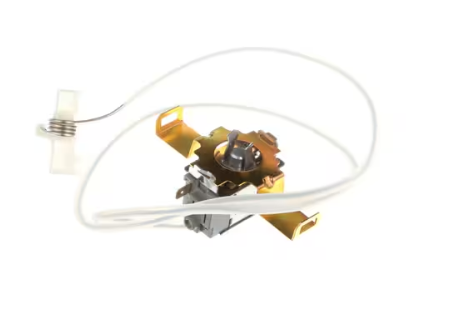 Whirlpool W10866230 Refrigerator ThermostatSpecial Price $70.43 Regular Price $161.03
 -
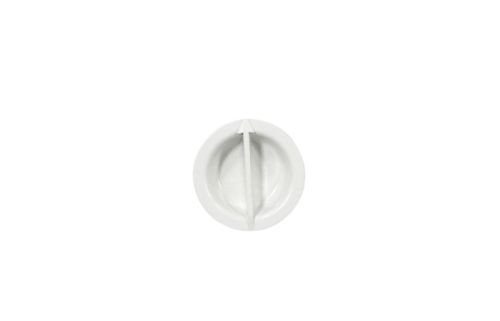 Whirlpool 2182111 Refrigerator Thermostat KnobSpecial Price $17.50 Regular Price $19.95
 -
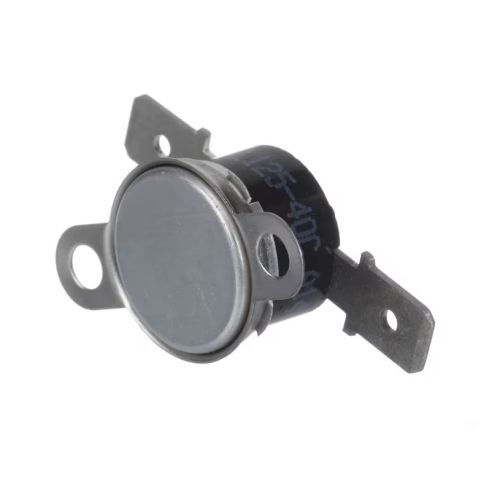 Whirlpool W10141630 Refrigerator Thermostat fixSpecial Price $101.22 Regular Price $112.46
 -
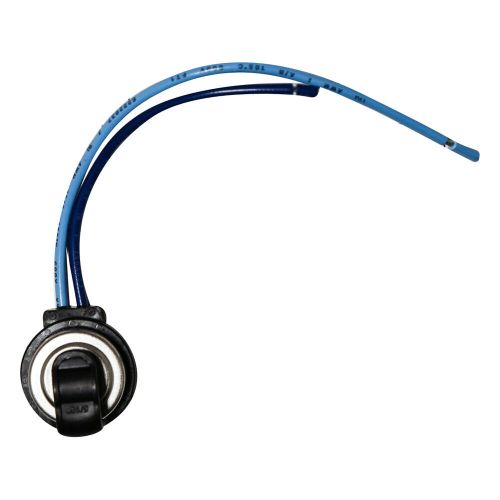 Frigidaire 242059602 Refrigerator ThermostatSpecial Price $30.15 Regular Price $49.95
 -
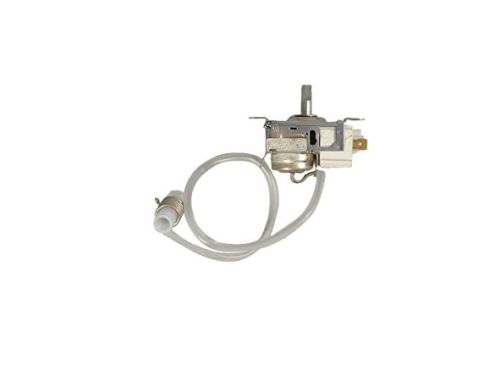 Whirlpool WP2211031 Refrigerator ThermostatSpecial Price $89.80 Regular Price $174.30