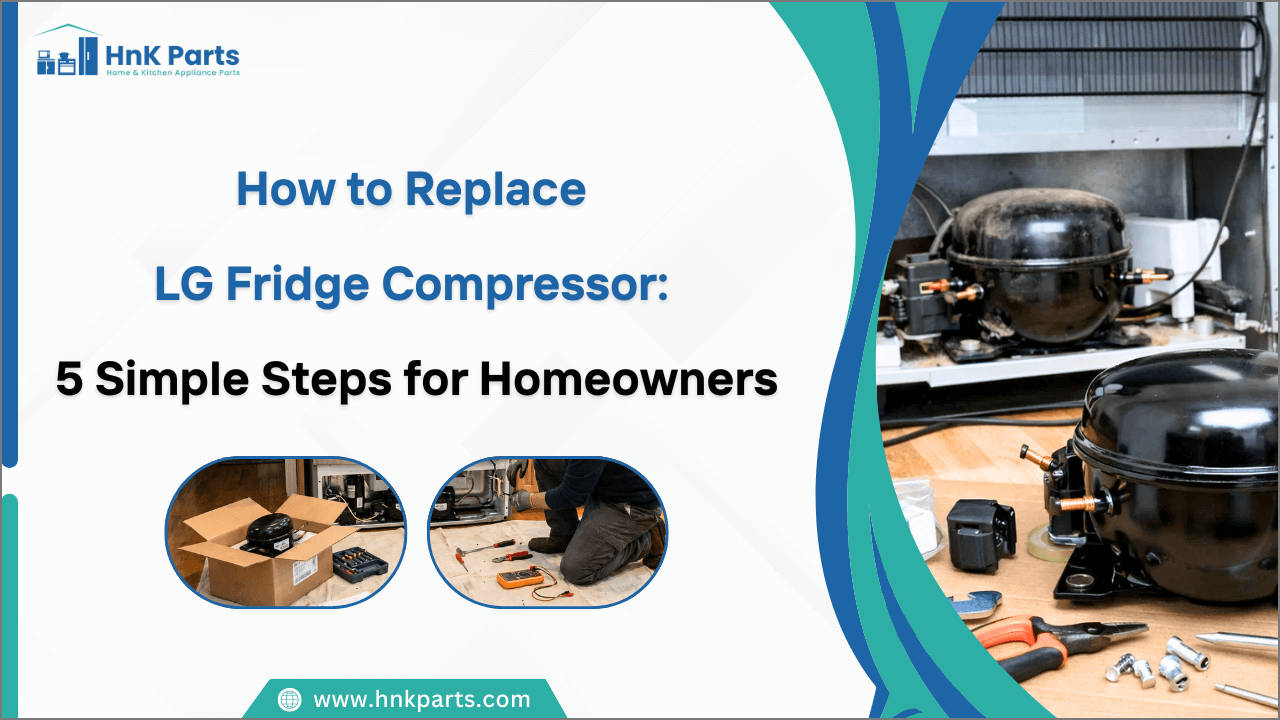
How to Replace LG Fridge Compressor: 5 Simple Steps for Homeowners
A refrigerator is one of the most essential appliances in any home, and its cooling performance depends heavily on the refrigerator compressor. When the LG fridge compressor fails, cooling efficiency drops quickly, leading to food spoilage and higher energy usage. However, a failed compressor doesn’t always mean the refrigerator must be replaced. In many cases, LG fridge compressor replacement is a practical solution when done at the right time.
This guide explains how to identify LG fridge compressor issues, understand safety and EPA requirements, follow the replacement process, and evaluate repair costs to make an informed decision.
Signs Your LG Fridge Compressor Is Failing
LG refrigerators operate as closed-loop cooling systems where mechanical, electrical, and electronic components work together to maintain stable internal temperatures. When one part, especially the compressor, fails, overall cooling performance is affected. Understanding how compressor-related problems appear within the system helps prevent misdiagnosis and unnecessary replacement of other refrigerator parts.
Below is a structured breakdown of how LG fridge compressor issues typically present themselves:
-
Cooling Performance Breakdown: When the LG fridge compressor is not working properly, the refrigerator may stop cooling even though interior lights, displays, and fans continue to operate. This indicates that power is reaching the unit, but the cooling cycle is not being completed.
-
Abnormal Sounds from the Rear Section: Clicking, buzzing, or humming noises followed by silence often point to compressor start failures. These sounds usually occur when the compressor attempts to start but shuts down due to internal faults or electrical protection triggers.
-
Overheating Compressor Housing: A compressor that feels excessively hot to the touch may be struggling to compress refrigerant efficiently. Overheating is a common sign of internal wear, restricted airflow, or electrical overload within the compressor motor.
-
Irregular Cycling Behavior: Frequent on-and-off cycling suggests the compressor is unable to maintain pressure or temperature stability. This behavior increases stress on internal components and often accelerates compressor failure.
-
Increased Energy Consumption: As compressor efficiency declines, the refrigerator runs longer to achieve cooling, leading to higher electricity bills. This is a subtle but important indicator of developing LG fridge compressor issues.
-
Related Component Failures: Some symptoms associated with compressor failure may actually originate from faulty start relays, capacitors, or control boards. In these cases, targeted LG fridge compressor repair or replacement of supporting refrigerator parts may restore normal operation without replacing the compressor itself.
-
When Replacement Becomes Necessary: If compressor windings are shorted, seized, or internally damaged, repair is no longer reliable. In such situations, LG fridge compressor replacement is typically the only long-term solution to restore consistent cooling performance.
Understanding these warning signs allows homeowners to distinguish between minor electrical faults and true compressor failure, supporting accurate diagnosis and cost-effective repair decisions.
Looking for reliable home appliance parts you can count on? Shop at HnK Parts for dependable home and kitchen replacement parts you can trust. We offer a wide range of components for refrigerators, washers, dryers, ovens, and other major home appliances, all carefully selected for durability and precise fit with fast shipping, expert support, and competitive pricing.
Safety, EPA Rules, and Precautions During LG Compressor Replacement
Replacing a refrigerator compressor is not like swapping a thermostat or fan motor. It involves sealed-system work, refrigerant handling, and electrical safety concerns.
Key safety and regulatory considerations:
-
Electrical safety: Always unplug the refrigerator before servicing to prevent shock or accidental startup
-
Refrigerant regulations: EPA rules require certified handling of refrigerants used in LG refrigerators
-
Pressurized system risk: Improper line cutting or valve handling can cause sudden pressure release, leading to injury or equipment damage
-
Fire hazard: Brazing copper lines requires proper tools, ventilation, and fire-resistant precautions
Additional precautions homeowners should understand:
-
Personal protective equipment (PPE): Safety gloves, eye protection, and insulated tools reduce the risk of burns, cuts, and electrical contact
-
Correct refrigerant type: Using the wrong refrigerant can damage the new compressor and void warranties
-
Moisture contamination: Failing to properly evacuate the system allows moisture to enter, leading to acid formation and early compressor failure
-
Filter drier replacement: Skipping this step can circulate debris and moisture, shortening the lifespan of the new compressor
In many regions, including the U.S., refrigerant recovery and recharging must be performed by EPA-certified technicians. Even homeowners attempting LG refrigerator compressor replacement should be aware that releasing refrigerant into the atmosphere is illegal and unsafe.
If you lack the proper tools—vacuum pump, manifold gauges, recovery machine—it’s safer to let a professional handle this stage of the process.
How to Replace an LG Fridge Compressor
Below is a simplified, homeowner-oriented breakdown of how to replace an LG fridge compressor. While the steps sound straightforward, keep in mind that sealed-system work requires experience.

| Disclaimer: This infographic is for informational purposes only. LG fridge compressor replacement involves high-voltage electricity and EPA-regulated refrigerants and should only be performed by trained professionals. Improper handling may cause injury, damage, or legal issues. |
Explore common LG refrigerator compressor problems and how to fix them to restore cooling performance, prevent further damage, and keep your LG refrigerator running reliably.
DIY vs Professional Help for LG Fridge Compressor Replacement
Choosing between DIY and professional service for LG fridge compressor replacement depends on cost, skill level, tools, and long-term reliability. The table below highlights the key differences to help homeowners make an informed decision.
|
Factor |
DIY Compressor Replacement |
Professional Compressor Replacement |
|
Upfront Cost |
Lower labor cost but higher risk of hidden expenses |
Higher initial cost with predictable pricing |
|
Required Tools |
Vacuum pump, manifold gauges, brazing tools, recovery machine |
All professional-grade tools included |
|
Technical Skill |
Advanced refrigeration and electrical knowledge required |
Performed by trained and certified technicians |
|
Refrigerant Handling |
EPA certification is legally required |
Fully compliant with EPA regulations |
|
Installation Accuracy |
High risk of leaks or improper setup |
Correct installation and system balancing |
|
Warranty Impact |
May void the manufacturer's or parts' warranty |
Warranty-backed labor and parts |
|
Repair Time |
Longer if errors occur |
Faster diagnosis and completion |
|
Long-Term Reliability |
Higher chance of repeat failure |
Lower risk of future compressor issues |
While DIY replacement may appear cost-effective initially, mistakes during installation can significantly increase the cost of LG fridge compressor replacement over time. For most homeowners, professional service offers better safety, compliance, and long-term performance—especially when replacing a critical component, such as a refrigerator compressor.
Check out how to replace refrigerator compressor, which explains how to remove the faulty compressor, install a new one, and restore proper cooling performance.
Summary: Replacing an LG Refrigerator Compressor
Learning how to replace an LG fridge compressor equips homeowners with the knowledge needed to make informed and cost-effective repair decisions. From identifying early warning signs to comparing LG fridge compressor repair versus full replacement, understanding the process helps prevent unnecessary expenses and premature appliance replacement. While not every homeowner will perform the repair themselves, knowing what the job involves ensures better communication with technicians and smarter service choices.
Key Takeaway Points
-
Accurate diagnosis is critical, as many cooling problems stem from supporting refrigerator parts rather than the compressor itself.
-
Evaluating repair versus replacement based on fridge age, condition, and LG fridge compressor replacement cost helps maximize appliance value.
-
Prioritizing safety and EPA compliance is essential when dealing with sealed-system components and refrigerant handling.
-
Professional installation reduces the risk of repeat failure and protects warranty coverage for high-value components.
-
Using quality refrigerator parts and proper installation practices can extend the lifespan of an LG refrigerator by several years, ensuring reliable and efficient cooling performance.
FAQs
Is It Worth Replacing an LG Fridge Compressor?
Yes, in many cases it is worth replacing an LG fridge compressor, especially if the refrigerator is under 8–10 years old and in good overall condition. Compressor replacement can restore full performance at a fraction of the cost of buying a new fridge. However, if multiple major refrigerator parts are failing, replacement may not be economical.
How Long Does an LG Fridge Compressor Last?
On average, an LG fridge compressor lasts between 10 and 15 years, depending on usage, maintenance, and power conditions. Voltage fluctuations, poor ventilation, and dirty condenser coils can shorten compressor life significantly.
How Much Does It Cost to Replace an LG Fridge Compressor?
The LG fridge compressor replacement cost varies based on model and region.
Typically:
-
Cost of lg fridge compressor: ₹8,000–₹15,000 (or $200–$500)
-
Labor and refrigerant: ₹5,000–₹10,000 (or $300–$800)
The cost to replace LG fridge compressor usually ranges from ₹13,000 to ₹25,000 (or $500 to $1,200). Always compare this with the cost of a new refrigerator before deciding.
-
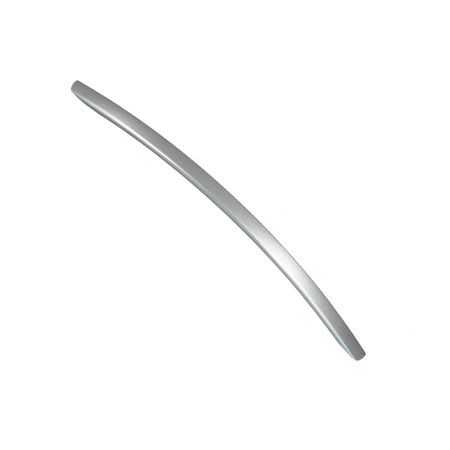 LG AED73593102 Refrigerator Freezer Door Handle AssemblySpecial Price $102.03 Regular Price $135.49
 -
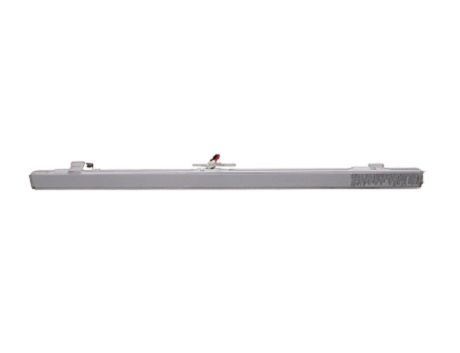 LG AGU74110902 Refrigerator Front Plate AssemblySpecial Price $71.86 Regular Price $73.95
 -
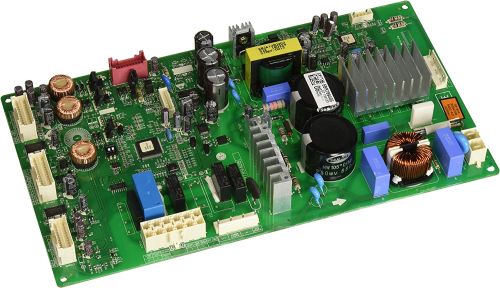 LG EBR78940506 Refrigerator PCB Main Control BoardSpecial Price $332.98 Regular Price $426.90
 -
 LG 4974JA1153B Refrigerator Rail GuideSpecial Price $17.97 Regular Price $29.95