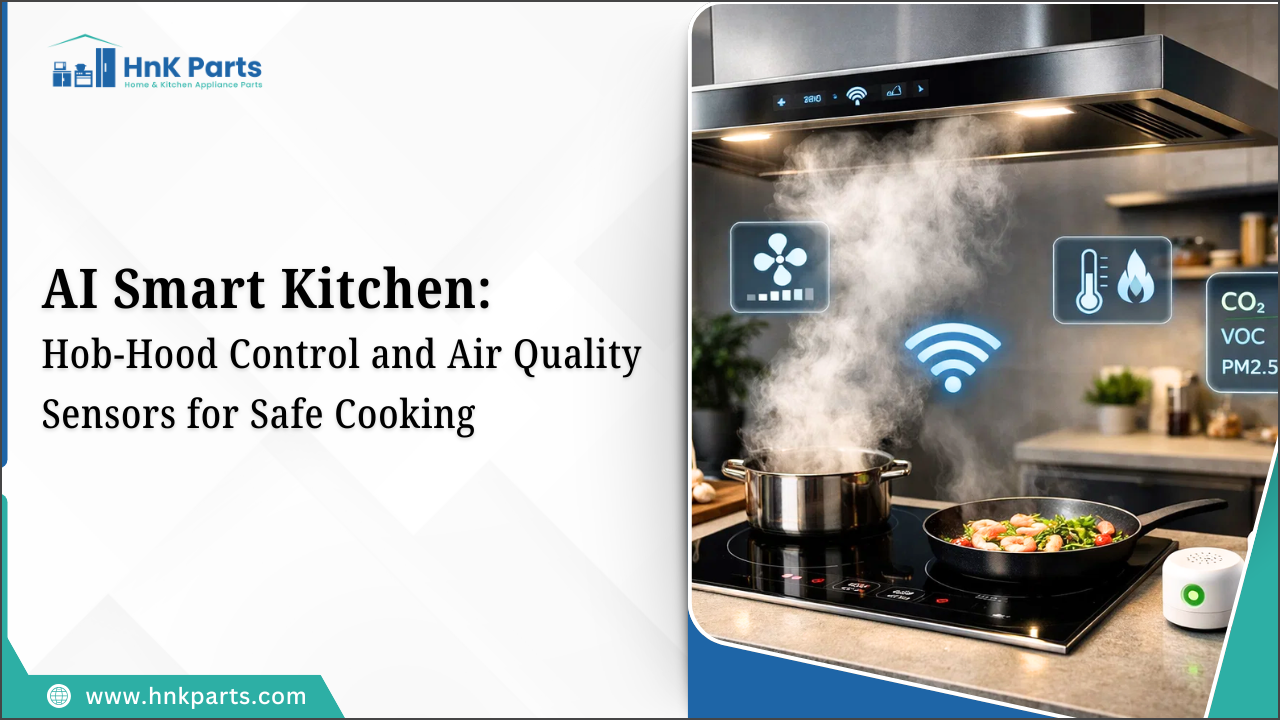
AI Smart Kitchen: Hob-Hood Control and Air Quality Sensors for Safe Cooking
AI smart kitchens are revolutionizing home safety through automated hob-hood control and advanced air quality sensors. Leading brands like Samsung and Bosch offer integrated systems that sync ventilation with cooking activity to neutralize vapors and prevent fire risks. Utilizing AI-driven technology, products such as the Bespoke Chimney Hood and Home Connect ecosystem monitor pollutants like VOCs and CO₂ in real time. Whether through built-in "Triple Air Sensors" or standalone monitors like Airthings, these innovations ensure a cleaner, safer cooking environment by automating essential ventilation.
How AI Smart Kitchens Use Hob-Hood Control Technology for Safer Cooking
AI smart kitchens leverage hob-hood control to automate ventilation, enhance fire safety, and maintain indoor air quality without manual input.
Automated Synchronization & Control: The hob and hood communicate directly, activating ventilation the moment cooking begins.
-
Automatic Activation: The hood turns on instantly when the hob is powered, preventing heat and grease vapor buildup.
-
Real-Time Adjustments: Integrated sensors analyze cooking intensity and vapor output, adjusting fan speed dynamically.
-
Safety After-Run Mode: Once cooking stops, the hood continues running briefly to clear residual heat and fumes.
-
Reduced Distractions: Controls are centralized via the hob interface or mobile app, keeping users focused on cooking.
Predictive Fire Prevention: AI-driven systems analyze cooking patterns to detect unattended activity and overheating risks early.
-
Activity Monitoring: AI sensors can detect the presence of a user and identify unattended cooking, which is a leading cause of residential oil fires.
-
Thermal Imaging: Systems like M.A.R.V.E.L. use infrared sensors to monitor surface temperatures directly, detecting thermal anomalies that signal a potential fire risk before ignition.
-
Emergency Shut-Off: If danger is detected, the system issues alerts and can automatically cut power to prevent fire.
Air Quality & Environmental Safety: AI-powered hoods act as intelligent air quality assistants, monitoring invisible health hazards.
-
Continuous Monitoring: Sensors such as the "Triple Air Sensor" in Samsung Bespoke Hoods can monitor air quality even when the hood is off.
-
Pollutant Detection: These systems identify volatile organic compounds (VOCs), fine particles (PM2.5/PM1), and gas emissions, triggering a safety ventilation loop if quality deteriorates.
-
Grease Management: Consistent airflow reduces duct grease accumulation, lowering structural fire risk.
Explore how innovative smart kitchen appliances are transforming modern cooking, which explains how connected technologies, automation features, and efficiency improvements are reshaping everyday cooking and kitchen performance.
Why Hob-Hood Control Is Key to AI Smart Kitchen Ventilation Systems
Hob-hood control enables demand-controlled ventilation (DCV), replacing manual operation with automated, sensor-driven airflow management.
Why Hob-Hood Control is Critical
-
Automation of Infrequent Habits: Since hoods are manually activated in only ~30% of cooking events, automatic activation ensures consistent ventilation.
-
Proactive Fire and Safety Management: Continuous airflow reduces grease buildup, while infrared systems detect overheating early.
-
Precision Air Quality Control: Integrated PM sensors detect fine particles like PM2.5 and PM1.0. The system adjusts fan speed based on cooking intensity to maintain clean indoor air.
-
Energy and HVAC Efficiency: Real-time modulation reduces ventilation energy use by up to 51% compared to constant-speed systems.
-
User Focus and Ergonomics: Managing both appliances from the hob interface improves usability and safety.
Leading Hob-Hood Control Ecosystems
|
Ecosystem |
Brand(s) |
Key Feature |
|
Home Connect |
Bosch, Thermador |
Seamless sync where the hood mirrors hob activity and offers an "after-run" mode to clear residual odors. |
|
SmartThings |
Samsung |
The integrated "Triple Air Sensor" monitors quality even when the hood is off, automatically initiating ventilation if pollutants are detected. |
|
H-Connect |
Frecan |
Allows total management of all hood functions directly from the hob interface for a more fluid experience. |
Check out ultimate kitchen ventilation guide: breathe fresh, cook better, which explains airflow principles, ventilation components, maintenance practices, and tips to improve air quality and cooking efficiency.
How Air Quality Sensors Detect Smoke and Pollutants
Air quality sensors in AI smart kitchens primarily use optical (laser scattering) sensors to detect smoke and fine particulate matter, and metal oxide semiconductor or electrochemical sensors to detect gaseous pollutants like VOCs and carbon monoxide. The data from these different sensors is analyzed by smart algorithms to provide a complete picture of air quality.
Particulate Matter (Smoke and Dust) Detection: Smoke and dust are forms of particulate matter (PM), typically classified by size (e.g., PM1, PM2.5, PM10). Sensors primarily use light scattering technology to detect them.
-
Mechanism: A laser or infrared light beam is directed across a small air sampling chamber inside the sensor.
-
Detection: When particles (smoke, dust, grease, etc.) pass through the light beam, they cause the light to scatter in different directions.
-
Measurement: A photodetector measures intensity to estimate particle size and concentration.
-
Application: Highly effective for detecting cooking smoke and fine grease particles.
Gaseous Pollutant Detection: Different types of sensors are used to detect invisible gases produced during cooking or from cleaning products.
-
Volatile Organic Compounds (VOCs): These chemical substances, emitted from various household items and cooking processes, are often detected using metal oxide semiconductor (MOS) sensors.
-
bThe sensor's electrical resistance changes when exposed to VOC molecules, and this change is measured to determine the concentration of the gases.
-
Carbon Monoxide (CO): This odorless, colorless, and potentially deadly gas is typically detected using electrochemical sensors.
-
Mechanism: A chemical reaction between the CO gas and electrodes within the sensor generates a measurable electrical current. The strength of the current is proportional to the gas concentration, allowing for precise and crucial safety monitoring.
-
Carbon Dioxide (CO₂): Often monitored as an indicator of overall ventilation quality, CO₂ is usually measured using non-dispersive infrared (NDIR) sensors.
-
Mechanism: These sensors use an infrared light source and a detector. CO₂ molecules absorb specific wavelengths of infrared light; by measuring how much light passes through the air sample, the sensor accurately calculates the CO₂ concentration.
AI and Data Interpretation: The data from these various sensors is fed into a central system that uses AI and machine learning algorithms to interpret the readings in real time. This allows the smart kitchen system to:
-
Differentiate Sources: AI helps distinguish between normal cooking activities and a potential fire hazard or a genuine air quality issue, reducing false alarms.
-
Automate Responses: The system automatically triggers the appropriate response, such as activating or increasing the hood's ventilation speed or sending an alert to a user's smartphone.
-
Predict Hazards: By analyzing patterns and historical data, the system can predict unsafe situations before they become critical and take preventative action, such as automatically cutting power to the hob.
Benefits of Automated Airflow Management in Modern Kitchens
Automated airflow—also known as Demand-Controlled Kitchen Ventilation (DCKV)—optimizes safety, energy use, and indoor air quality (IAQ).
1. Significant Energy & Cost Savings: Traditional hoods run at 100% capacity regardless of activity, leading to substantial energy waste.
-
Reduced Power Consumption: 60–81% lower fan power consumption.
-
HVAC Efficiency: 30–51% total kitchen energy savings by minimizing treated makeup air.
-
Operational Longevity: Lower fan speeds result in less wear and tear on motors and filters, extending equipment lifespan and reducing maintenance costs.
2. Enhanced Health and Indoor Air Quality (IAQ): Automated systems use advanced sensors (thermal, optical, and chemical) to detect pollutants that manual users often miss.
-
Pollutant Removal: Automated control can reduce fine particulate matter (PM2.5) concentrations by 20% to 40% compared to manual operation, as users typically only activate hoods in ~66% of cooking events.
-
Gas & Odor Mitigation: Instant ventilation for CO, NO₂, and VOCs.
-
Humidity Control: Prevents moisture buildup, mold, and cabinet damage.
3. Proactive Fire Safety: Automated airflow is a critical component of modern kitchen fire prevention.
-
Grease Management: Continuous airflow reduces duct fire risk.
-
Thermal Monitoring: Infrared systems detect overheating before ignition.
4. Improved Working Conditions: Automated airflow reduces noise and maintains balanced air pressure for a more comfortable kitchen environment.
-
Noise Reduction: Lower fan speeds decrease sound levels. Which can range from 0.3 to 1.5 sones for modern residential units.
-
Temperature Stability: Balanced exhaust and makeup air maintain consistent kitchen temperature.
Key Smart Ventilation Products (Canada)
For those looking to integrate automated air management, several high-efficiency Energy Recovery Ventilators (ERV) and smart hoods are available:
|
Product |
Merchant |
Estimated Price |
Key Features |
|
Vents TwinFresh Expert |
Rise |
$1,429 CAD |
Ductless, 93% efficient ceramic core, Wi-Fi app control. |
|
Panasonic Intelli-Balance 100 |
Splashes Bath & Kitchen |
$1,398 CAD |
Balanced air pressure, ECM brushless motors, quiet (under 1.5 sones). |
|
Venmar ERV (131 CFM) |
Home Depot Canada |
$1,199 CAD |
High-volume energy recovery for larger spaces. |
Summary: Why AI Hob-Hood and Air Sensors Are the Future of Safe Cooking
AI-powered hob-hood control and air quality sensors improve kitchen safety by automatically managing ventilation and reducing human error. These systems adjust airflow in real time to control smoke, grease, and harmful pollutants.
Unlike traditional hoods that react late, technologies like Safera Sense monitor pan temperatures to help prevent fires before ignition. With Demand-Controlled Ventilation (DCV), they also optimize energy use—making smart ventilation essential for safer, healthier kitchens.
Key Takeaway Points
-
AI hob-hood systems remove human error by ensuring ventilation is consistently active during cooking.
-
Predictive thermal monitoring can intervene before ignition, unlike traditional smoke alarms.
-
Advanced air sensors detect invisible pollutants such as NO₂ and VOCs, improving indoor health.
-
Demand-Controlled Ventilation (DCV) reduces energy waste while maintaining optimal air quality.
-
As homes become more airtight, AI-powered ventilation is increasingly essential for safety and sustainability.
Looking for reliable home and kitchen replacement parts? Shop now at HnK Parts—we offer high-quality replacement parts for cooking, refrigeration, ice machines, and more. Count on competitive pricing, fast shipping, and dependable inventory to keep your kitchen running without downtime.
Reference:
https://www.who.int/teams/environment-climate-change-and-health/air-quality-energy-and-health
https://www.energy.gov/energysaver/ventilation
FAQs
How does a hob-hood control improve safety over a manual range hood?
Automated hob-hood control removes human error by activating and adjusting ventilation automatically with the cooktop, ensuring continuous airflow to manage heat and grease vapors—reducing pollutant buildup and fire risk.
Can AI sensors prevent fires or just detect smoke?
AI sensors go beyond smoke detection by monitoring pan temperatures in real time to predict overheating. Some systems can even cut power to the cooktop to prevent ignition.
What pollutants do these sensors detect?
Smart sensors detect PM2.5, PM1, VOCs, CO₂, and CO. When unsafe levels are detected, the system automatically increases ventilation or sends alerts to maintain healthy air quality.
| Disclaimer: This content is for informational purposes only. AI hob-hood systems and air sensors enhance safety but do not replace active supervision or certified fire protection. Always follow manufacturer guidelines (e.g., Samsung, Bosch) and maintain approved smoke and carbon monoxide detectors per local codes. |
-
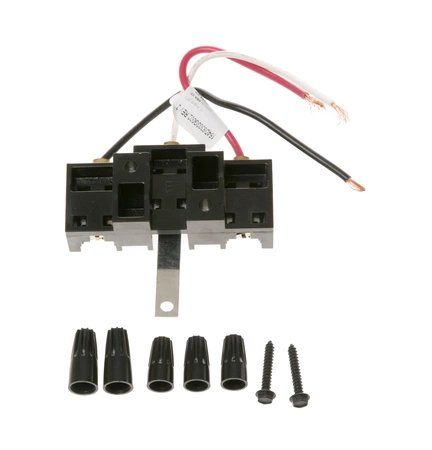 General Electric WB17X5095 Range Main Terminal BlockSpecial Price $64.52 Regular Price $75.95
 -
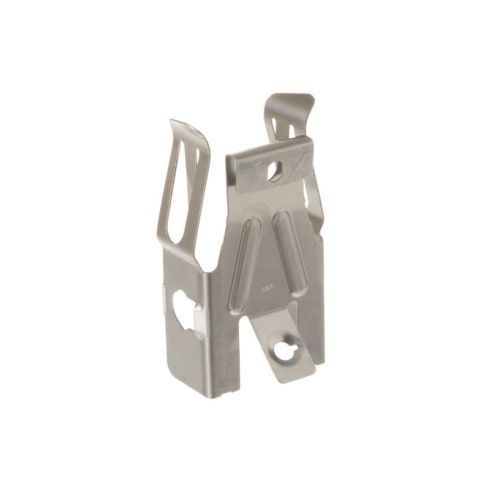 General Electric WB17X211 Range Terminal Block ClipSpecial Price $16.77 Regular Price $18.95
 -
 General Electric WB15X10003 Range Door HandleSpecial Price $73.23 Regular Price $99.70
 -
 General Electric WB1X119D Range WasherSpecial Price $14.54 Regular Price $16.09