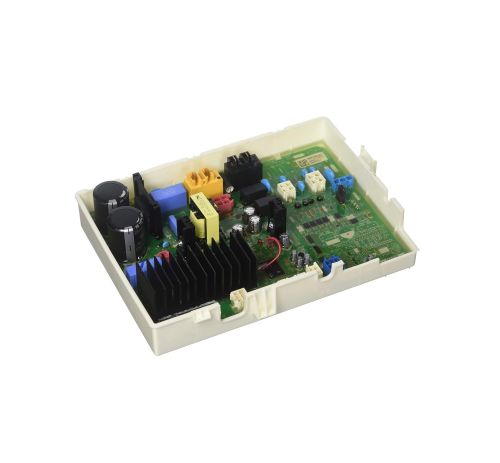
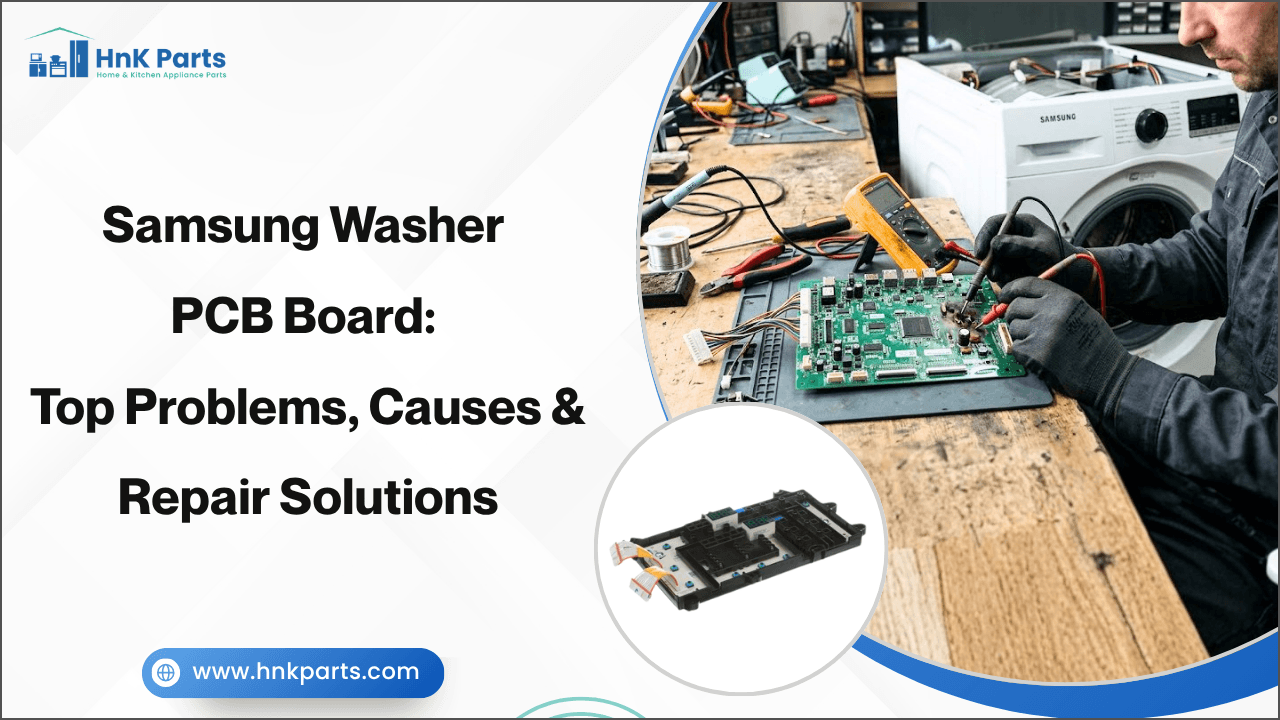
Samsung Washer PCB Board: Top Problems, Causes & Repair Solutions
The Samsung washer PCB board is the central electronic unit of your washing machine, managing wash cycles, water flow, temperature, and spin functions. When the Samsung washer PCB board fails, the machine may stop working or display error codes, leading to delays in daily laundry routines and inconvenience for users at home.
A faulty washer PCB board can result from power fluctuations, moisture exposure, or worn internal components. Replacing the Samsung washer PCB board restores proper cycle control, improves overall machine performance, and ensures smooth, stable, and reliable operation with fewer interruptions and better efficiency.
Understanding the Samsung Washer PCB Board and Its Function
The Samsung washer PCB board is the main electronic module that controls and coordinates all washing machine operations. It processes signals from sensors and user inputs, then sends commands to components like the motor, drain pump, inlet valves, and heating system to ensure smooth functioning.
Key control functions of the washing machine PCB board are:
-
Managing wash, rinse, and spin cycles
-
Controlling the washing motor speed and rotation
-
Regulating water level and intake
-
Operating drainage functions
-
Detecting errors and displaying fault codes
-
Managing temperature control in heated cycles
In modern Samsung washing machines, the control module’s PCB board relies on stable power and proper internal conditions. Electrical fluctuations, moisture, or component wear can affect its performance, leading to irregular wash cycles or complete machine stoppage.
Regular inspection and timely maintenance of your Samsung washer parts help prevent PCB board failures caused by voltage issues, moisture, or faulty components
Common Causes of Samsung Washer PCB Board Failures
Samsung washing machine PCB failure can result from electrical faults, mechanical damage, and environmental conditions, causing unstable operation. The main causes are:
-
Voltage Surges and Spikes: Sudden power surges from lightning, unstable electricity, or overloaded circuits can damage PCB components like diodes, relays, or control chips, causing failure.
-
Shorted Peripherals (Drain Pump): If the drain pump develops an internal short circuit, it can send reverse current back to the PCB board. This often damages the pump relay and surrounding circuit tracks on the board.
-
Moisture and Condensation: High humidity, steam, or water leaks can allow moisture to settle on the PCB board, leading to corrosion, short circuits, and gradual breakdown of electrical connections.
-
Component Degradation: Heat, vibration, and regular use can wear out internal parts like capacitors and circuit pathways, causing PCB failure and unstable operation.
-
Rusted Heating Elements: A damaged or rusted heating element may leak voltage into the system, disturbing normal PCB operation and causing errors or malfunctions.
Experiencing Samsung washer issues and need a reliable fix? Restore performance quickly with high-quality home appliance repair parts from HnK Parts. Shop Samsung washer parts such as control boards, along with drain pumps, water inlet valves, door locks, and drive components. Place your order today and enjoy fast, doorstep delivery.
How to Troubleshoot a Faulty Samsung Washer PCB Board
Before replacing the Samsung washer PCB board, confirm it is the actual cause. Many issues come from wiring, sensors, or other parts. Identify the problem:
Step 1: Verify the Power Supply
Check the washer’s power supply, including the outlet, cord, breaker, and voltage. Unstable power can mimic PCB board faults.
Step 2: Check for PCB Error Codes
Look for error codes on the display. Refer to the user manual to identify whether the code indicates a PCB issue or another faulty component.
Typical Samsung washer error codes indicate:
-
3E / 3C: Motor-related error (motor not running properly or not detected)
-
5E / nD: Drain error (water not draining properly or drain system issue)
-
bE / bE2: Button or control panel error (stuck or faulty keypad input)
Step 3: Inspect the Washer Pcb Wiring Connections
Inspect wiring harnesses for loose connectors, corrosion, burnt terminals, or damaged wires. Secure connections to restore communication between the PCB board and washer components.
Step 4: Perform a System Reset
Unplug the washer for approximately 5–10 minutes, then reconnect the power and restart the machine. This simple reset can clear temporary electronic glitches and restore normal operation.
Step 5: Inspect the PCB Board
Carefully inspect the PCB board for burn marks, swollen capacitors, corrosion, broken solder joints, or other visible signs of damage. Physical damage often indicates that the board requires repair or replacement.
Step 6: Confirm the Diagnosis
After inspection, if the power supply, wiring, and sensors are normal but the PCB is damaged or malfunctioning, it likely requires repair or replacement.
Run a complete wash cycle to confirm proper operation and verify that there are no remaining error codes.
Samsung washing machine PCB troubleshooting helps identify whether the fault is caused by the PCB, wiring, sensors, or other components.
Find out common washing machine issues and how to solve them.
Effective Repair Solutions for Samsung Washer PCB Board Problems
After identifying PCB issues through inspection and error codes, Samsung PCB board repair requires selecting the correct repair method. Below are the repair solutions:
1. Repair Damaged Solder Joints: Re-solder cracked or weakened solder joints around relays, transformers, and heavy connectors to restore stable electrical connections.
2. Clean and Restore Electrical Connectors: Clean corroded connector pins using an electronic contact cleaner, straighten bent terminals, and replace damaged connectors to improve electrical conductivity.
3. Replace Faulty Electronic Components: Test and replace failed capacitors, relays, voltage regulators, or other replaceable components that affect the PCB board's performance.
4. Restore Proper Grounding: Inspect and repair damaged grounding connections between the PCB board and the washer chassis. Proper grounding helps maintain stable electrical operation and prevents false error codes.
5. Repair Communication Circuits: Inspect the communication wiring between the main PCB board and the motor control unit (MCU). Repair damaged wires or connectors to restore reliable signal transmission.
6. Install a Replacement PCB Board: If the PCB has burn damage, failed ICs, or severe corrosion, replace it with a compatible Samsung washer PCB board. After installation, calibrate if needed and run a full cycle to confirm proper operation.
These washer circuit board repair solutions restore proper voltage flow, communication signals, and control between the PCB and washer components.
Watch to learn the ultimate guide to washing machine parts and their functions and how they work.
Summary: Keeping Your Samsung Washer PCB Board Working Reliably
The PCB board controls all washer functions by managing signals between key components. Common issues include weak solder joints, signal faults, or heat stress. Early signs, such as delays or cycle errors, help detect problems early. Proper inspection and maintenance improve reliability and prevent failure.
Key Takeaways:
- The PCB board controls communication between all washer components and cycle operations.
- Failures often come from weak solder joints, signal issues, or connector oxidation rather than full burnout.
- Early signs include delays, cycle errors, or partial function loss.
- Some issues can be fixed through cleaning, signal correction, or low-voltage recovery.
- Heat stress and poor grounding are major long-term causes of instability.
FAQs
What are the signs of a faulty Samsung washer PCB board?
Common signs include unresponsive controls, random cycle stopping, error codes, failure to start, or inconsistent washing performance. These issues usually appear when the board cannot properly manage signals between components.
Why does a Samsung washer PCB board fail?
It can fail due to power surges, moisture exposure, aging components, short circuits, or manufacturing defects. Over time, these factors weaken the board’s electrical stability and performance.
Can a Samsung washer PCB board be repaired, or should it be replaced?
Minor damage can often be repaired by replacing individual components, while Samsung washer PCB board replacement is usually required for severe burn damage to ensure reliable performance.
How long does a Samsung washer PCB board typically last?
On average, a PCB board lasts 7–12 years, depending on usage, maintenance, and electrical conditions. Proper care and a stable power supply can help extend its lifespan
| Disclaimer: This article on the Samsung washer PCB board is for general informational purposes only. PCB designs, error codes, and circuit layouts vary across Samsung models, and results may differ based on model. |
-
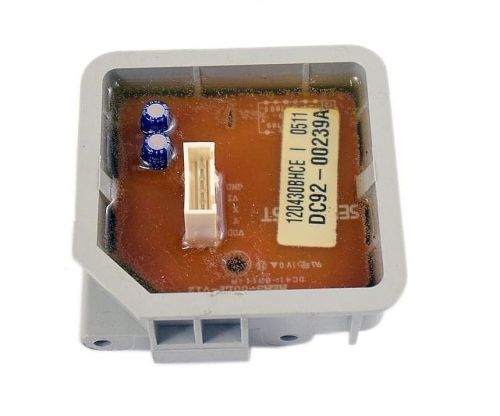 Samsung MFS-MEMS-00 Washer PCB AssemblySpecial Price $92.61 Regular Price $132.87
 -
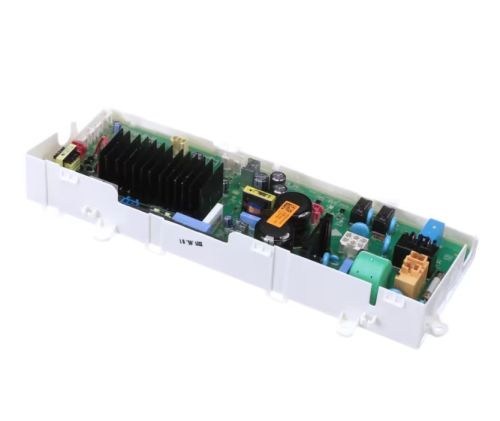 LG EBR79523101 Washer PCB Main Control Board AssemblySpecial Price $255.20 Regular Price $340.95
 -
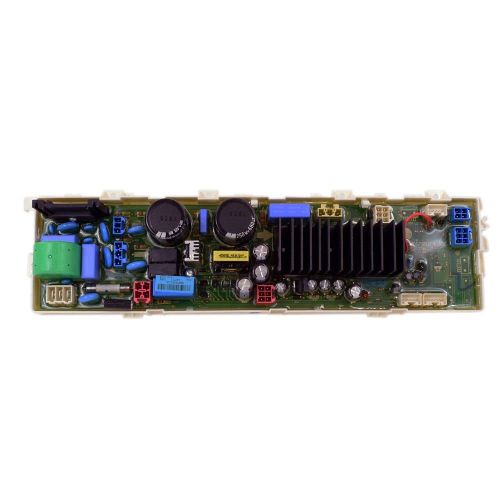 LG EBR76262102 Washer PCB Main Control BoardSpecial Price $253.50 Regular Price $360.79
 -
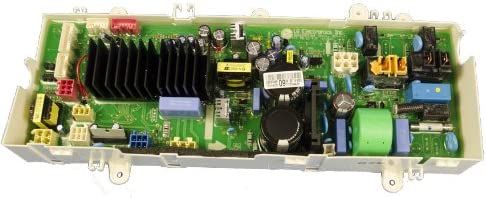 LG EBR67466116 Washer PCB Main Control Board AssemblySpecial Price $288.81 Regular Price $374.95